
OpenAI’s release of Sora 2 includes a social app where the feed is fully synthetic, and posts are created as much from prompts and presets as from edits and shots, marking a consumer shift. The model’s improved realism, physics, and synchronized audio close the gap that kept AI video in the “demo” bucket. The product decision matters even more than the model upgrade. Rather than waiting for incumbents to bolt generative tools onto existing feeds, OpenAI is constructing a network where creation, discovery, and collaboration assume an AI-native supply of content from the start.
The innovation signal a structural change in how video is made and consumed. If capturing once dictated the pace of publishing, including locations, props, schedules, and generation, it now collapses those bottlenecks. Time-to-post shrinks to minutes, novelty cycles accelerate, and the competitive edge shifts from who can film to who can direct, meaning prompt craft, controllable physics, reusable recipes, and a clear identity framework for who appears on screen.
Cameos and the Consent Layer for Identity
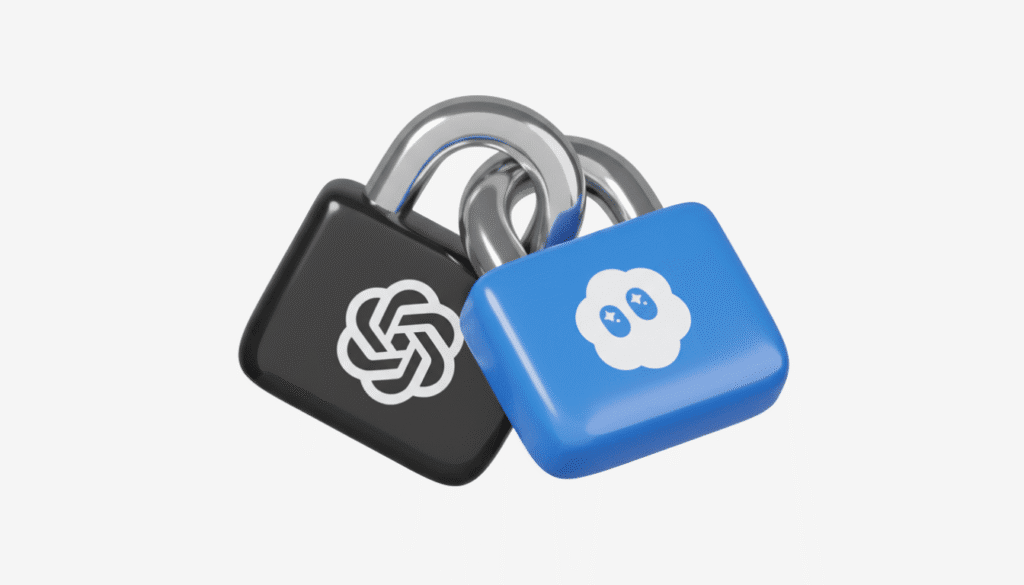
The standout feature is Cameo, where users verify their likeness once, set scopes for where it can appear, and become co-owners of any video that features them. That flips the deepfake narrative on its head. Instead of policing unauthorized uses after the fact, Sora tries to operationalize consent at the point of creation. Friends can feature one another, brands can cast ambassadors at scale, and creators can collaborate without traveling, shooting, or rescheduling.
Yet, the power of portable likeness cuts both ways. The more fluid it becomes to place real people into synthetic scenes, the more rigorous the product must be regarding audit trails, revocation, age gates, and context restrictions. Suppose Sora’s cameo permissions are the operating system for identity. In that case, the app’s long-term health depends on how transparent those controls feel and how reliably they work when stakes are high, such as celebrity appearances, branded content, or sensitive topics.
From UGC to UGI: A New Playbook for Brands and Creators
Sora’s consent-first identity graph reframes “user-generated content” as “user-generated identity.” For marketers, that unlocks three practical moves. First, participation becomes programmable, as talent and customers can pre-authorize themes, categories, and time windows, allowing thousands of localized variations without a single shoot day. Second, distribution becomes personal as people are more likely to share when they literally star in the creative, and cameo notifications create built-in prompts for reposting and remix. Third, measurement evolves beyond views and completion, once teams can track cameo-attributed lift, remix lineage, and provenance-verified watch time.
The risk is saturation. If every asset can star anyone, aesthetic sameness creeps in, and brand voice blurs. The counterweight is a creative OS, documented prompts, seeds, story beats, and camera paths, that turns winning ideas into repeatable recipes without flattening their style. The key is treating these assets like code, like versioning them, A/B testing them, and retiring them before the audience does.
Policy, Safety, and the IP Chessboard
A fully synthetic feed spotlights rights and safety more than any single model feature. Likeness licensing must transition from legal PDFs to products, with clear scopes, visible labels, and an instant kill switch. Copyright and trademark questions will also escalate as users test the edges, such as familiar characters, logos, and sets rendered with uncanny fidelity. Moreover, the defensible path is layered, watermarking and provenance are by default, cameos are opt-in and revocable, and filters are strong enough to keep obviously unauthorized material from ever reaching the feed.
If OpenAI’s approach holds, it is expected that rivals might ship consent dashboards, revenue-sharing for authorized likeness use, and standardized provenance across platforms. If it falters, regulatory pressure and industry codes are expected to define the floor. Either way, the next phase of short-form video will be governed as much by identity rules as by recommendation algorithms.
The Competitive Squeeze on Incumbents
TikTok, Instagram, and YouTube have spent years optimizing discovery around captured moments. Sora proposes a different source of truth by introducing scenes composed of text, reference clips, and identity tokens. In that sense, incumbents can’t ignore a world where generation outruns capture. They will need stronger tools for physics realism and audio sync, a clearer provenance story, and—most urgently—portable consent that creators and brands can trust. The contest is no longer just about editing on the phone; it is about owning the rails for who is allowed to appear, how quickly ideas become watchable, and how safely they travel.
If Sora sustains engagement beyond the launch rush, it will prove that a camera-less feed can still feel alive, because identity, not production, drives connection. The metrics to watch are cameo adoption, revocation latency, remix depth, and the share rate of videos that star verified friends.
For now, Sora 2 reframes the frontier. Generative video is no longer just a tool on the side of a social platform; it aims to be the platform itself. If the consent layer holds, identity becomes the new creative medium, and the most valuable raw material is trust.