

Instagram has introduced an in-app AI editor that lets users modify Stories in real time. With a simple tap on the new paintbrush icon, creators can type a prompt—“remove the crowd,” “add confetti,” “turn the sky pink”—and see the image regenerate instantly. The tool also offers preset “looks” for both photos and short videos, streamlining what used to require separate apps or desktop editing for creators and brands that live on fast turnarounds, potentially representing a major leap.
For years, Stories has been a space defined by spontaneity. Now, they’re also a canvas for precision, where every edit can be intentional, every background can match a brand palette, and every frame can look professionally curated, without even leaving the app.
A New Era of Instant Editing
The change ripples through creative workflows. Teams once had to choose between speed and polish; now they can have both. AI-assisted tools remove logistical bottlenecks and make experimentation less costly. That means brands can shoot more freely, play with composition, and fix imperfections instantly. Yet this freedom brings a new responsibility in deciding what should feel real.
If everything can be edited, the question becomes what should stay untouched. The brands that thrive will use AI not as decoration, but as direction, codifying a few signature prompts, lighting tones, or textures that reinforce their identity rather than replace it.
Authenticity and Accountability
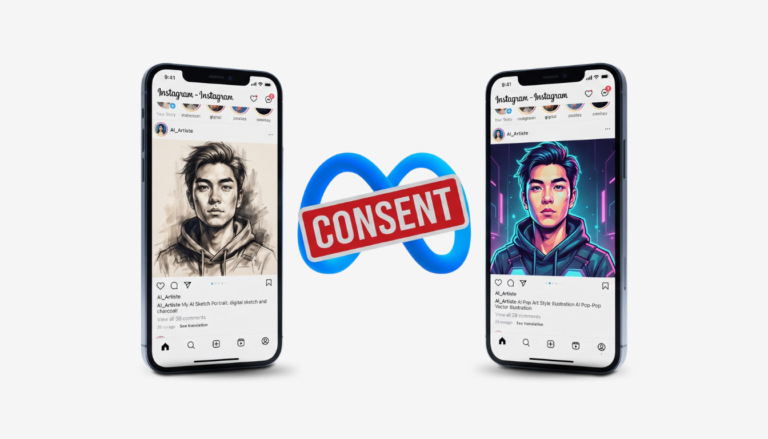
Meta’s system automatically applies AI labels to edited media, a small but important reminder that these tools reshape perception. In that scenario, transparency is key, especially as creators balance artistry with trust. A post that clearly signals its edits feels confident; one that hides them feels calculated. In a feed flooded with perfection, audiences increasingly reward those who reveal the process behind it.
This shift pushes marketers to rewrite their guardrails. Instead of debating whether AI belongs in creative work, the focus shifts to how it’s used, including who approves prompts, how outputs are archived, and how to ensure edits remain ethical and consistent.
Stories as Participation, Not Performance
The new editing tools also encourage interaction. A brand can show a before-and-after Story using the same AI preset, then invite followers to remix their own versions using “Add Yours” stickers. It turns editing into an act of play, and viewers into collaborators.
The most effective strategies will keep things believable. Hyper-polished or surreal edits might grab attention, but authenticity still drives connection. A well-edited but relatable Story often earns more trust than one that feels algorithmically perfect.
Speed as a Creative Advantage
By integrating AI editing directly into the capture flow, Instagram is collapsing production timelines. Content can go from idea to post in minutes, not hours. That efficiency saves budget but, more importantly, allows brands to react in real time to cultural moments, product drops, or community trends.
When speed becomes standard, differentiation comes from taste. The challenge is no longer how to edit fast, but how to edit well.
What Comes Next
As Meta rolls the feature out globally, more creators will treat Instagram less like a sharing app and more like a studio. Future updates could add generative animation, scripted sequencing, or brand preset libraries that automatically apply visual identities across teams.
The brands preparing now, experimenting with prompt style guides, transparent labeling, and repeatable aesthetics, will have a clear edge.