
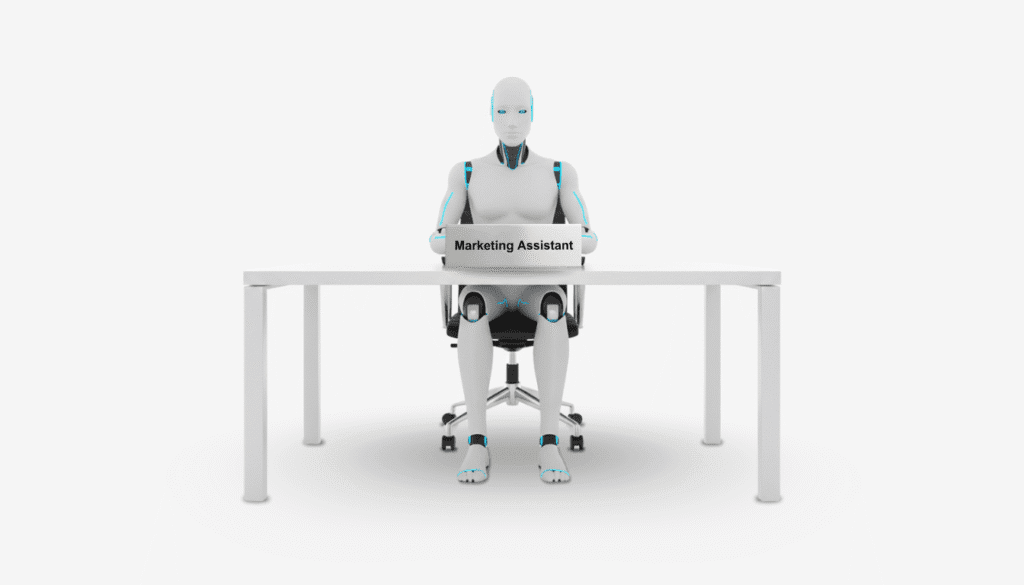
The old cycle—brief, launch, optimize, repeat—no longer aligns with how audiences discover ideas. Search yields less, social reach fluctuates, and paid attention costs more. The model now favors continuous loops: ship smaller, read signals sooner, remix what resonates. Here, AI accelerates, multiplying versions, testing angles, personalizing at scale, while editors preserve narrative and standards. Momentum matters more than spectacle; weekly learning outpaces quarterly plans.
Owning Distribution Without Eroding Trust
Rented reach is unstable, so focus is shifting to newsletters, sites, podcasts, and communities. When companies own media, audience trust is the real asset, not just a louder sales channel. The best approach guards editorial independence, aligns each property to a clear audience and product line, and lets creators use the voice readers expect. Commerce follows credibility; relevance earns attention; repeated attention earns permission to sell.
Audiences still gather around people —named hosts, editors, and domain experts —because content gets a spine that algorithms can’t provide. Video sits at the center because it travels everywhere, shortening the distance between the brand and the viewer. The strongest teams treat recurring shows like products, with tone, cadence, and arcs—so familiarity builds recall and recall matures into preference.
AI as Multiplier, not Replacement
Across research, drafting, versioning, and distribution, generative tools widen the exploration set and compress cycle time, including models that mine topics, pressure-test angles, slice long pieces into channel-specific cuts, generate captions, and support 1:1 personalization. Yet narrative authority remains human: fact checks, taste calls, and final voice decisions are editorial work. An emerging signal strengthens the case for this mix; while LLM referrals are smaller than traditional search today, visitors who arrive through answers often exhibit higher intent, enabling better economics.
In that sense, clarity travels to readers and to models. Structure that might help combine tight definitions, clean headings, plain-language explainers, and evergreen hubs that anchor a category. When content is easy to parse and cite, models surface it more reliably, and people save it more often. Over months, this dual visibility converts sporadic encounters into habit.
The Economics that Matter Now
As loops accelerate learning and owned channels reduce dependency on intermediaries, measurement shifts. Thus, the key is to net new subscribers, drive repeat visitation, improve save/share rates, improve creator recall, and shorten the time from brief to publish. In addition, LLM-referred sessions deserve their own lens for comparing conversion rates against search and budget, then follows evidence, not tradition, with more into formats and surfaces that compound, less into impressions that decay overnight.
Speed without standards dulls brands, and two rules maintain character. First, media assets linked to the business keep editorial independence; alignment stems from audience and topic choice, not scripts. Second, automation suggests that while editors decide, models assist but never define brand belief.
In conclusion, winning in marketing became a durable relationship, anchored by a host audience’s trust, a weekly cadence they count on, and a library of explainers that cut through the noise. It looks like a newsletter people forward, a podcast that keeps its slot, and a site with definitions so useful that both readers and language models return. Above all, it’s a loop that learns, compounding trust while driving down the cost of earning it.