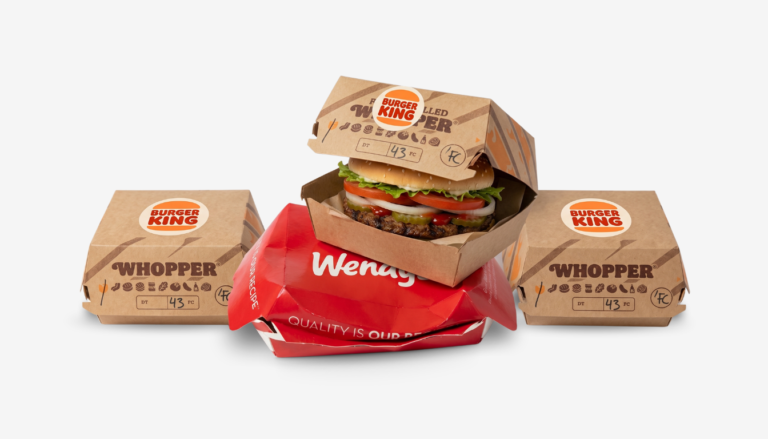

For decades, advertising thrived on volume, spectacle, and ubiquity. Bigger screens, louder campaigns, and more insistent messages were the surest ways to stand out in a competitive landscape. Yet as 2025 unfolds, the logic that governed traditional media dominance is being rewritten. Consumers now live in an attention economy defined by overexposure, constant targeting, and a relentless stream of visual and verbal noise. In this environment, subtlety is no longer a gentle creative choice; it is becoming a sophisticated strategy for brands seeking relevance rather than resistance.
What once looked like restraint now reads as confidence. A single understated screen, thoughtfully placed in a curated neighborhood, may yield more resonance than a dazzling billboard glowing amid hundreds in the busiest square. The shift reveals deeper cultural undercurrents: people are tired of being bombarded, exhausted by intrusive content, and increasingly selective about where they offer their attention. Brands that respond not with more volume but with better intention are the ones gaining traction.
When Less Becomes More
The rise of subtlety is tied to the growing psychological fatigue surrounding modern advertising. As digital and physical environments become saturated, audiences instinctively filter out anything that resembles a demand for attention. In this context, grandiose productions, once the pinnacle of creative persuasion, no longer guarantee impact. Instead, understated visuals and quiet storytelling create a moment of relief in an overstimulated world, inviting viewers to lean in rather than look away.
This is why the contrast between a screen in Times Square and one in Soho has become symbolic. The former competes with dozens of neon competitors and the chaos of rapid foot traffic. The latter sits inside a slower, intentionally designed environment where discovery feels organic. The strategic advantage lies not in the number of eyes passing by, but in the quality of the attention they offer. Subtlety reframes marketing from interruption to invitation, transforming presence into atmosphere rather than spectacle.
The Psychology of the Whisper
Subtle branding leverages principles of curiosity, cognitive relief, and perceived value. A quiet ad stands out precisely because it doesn’t fight for dominance. It mirrors the rise of “quiet luxury,” a cultural pivot that favors discretion and signals confidence without overt display. Brands embracing this direction use negative space, minimal logo presence, and simple but meticulous design to communicate strength rather than scarcity.
The whisper also fosters participation. When a viewer must interpret an ad, connecting a visual clue with a brand identity, OR decoding a restrained message, they become actively involved in the experience. This micro-engagement is far more meaningful than passive exposure. It builds affinity through interpretation, not intrusion, and encourages sharing because finding the meaning feels like uncovering something exclusive.
Beyond Aesthetics, a Strategic Recalibration
Treating subtlety as strategy requires rethinking not only creative choices but also placement, tone, and brand behavior. Brands are opting for curated media environments over maximalist ones, investing in fewer but better moments rather than flooding channels with volume. Storytelling becomes quieter yet sharper, with an emphasis on clarity, craft, and emotional connection over slogan-heavy blasts.
This movement aligns with the broader “vibe economy,” in which consumers gravitate toward experiences that feel intentional and atmospheric rather than formulaic. Subtle brands build worlds rather than campaigns. They sustain attention over time rather than attempting to seize it all at once. Their confidence is expressed in the discipline to say less, trusting that what remains is strong enough to carry meaning.
The Strategic Risks and Why They’re Worth Taking
Subtlety is not without limits. Emerging brands must balance quiet aesthetics with enough clarity to avoid obscurity. Markets that rely on fast decision-making still benefit from direct messaging. And there is always the risk that subtlety becomes homogenous minimalism, stripping brands of differentiation.
Yet for companies willing to treat subtlety as a deliberate, context-aware strategy, the upside is significant. They gain attention without overwhelming, signal confidence without shouting, and earn loyalty by respecting their audience’s cognitive space. In a world fatigued by noise, the brands that whisper with precision may be the ones consumers hear most clearly.