
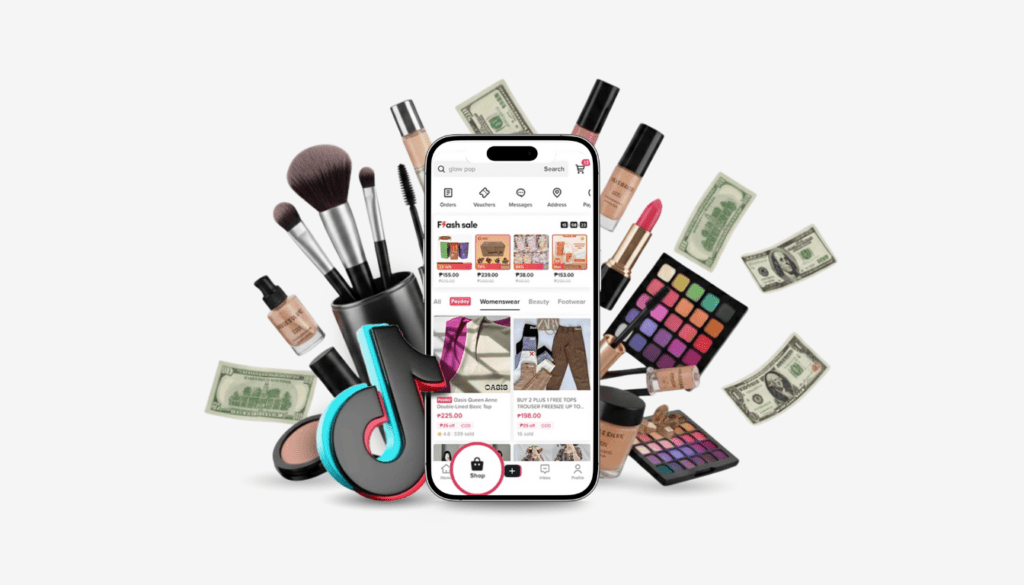
For years, social media promised influence over culture while e-commerce promised convenience in conversion. TikTok Shop is the first platform to collapse those two promises into a single, frictionless moment. In the U.S. alone, it now powers close to a fifth of all social commerce, and nowhere is that impact more visible than in beauty, a category increasingly built not in boardrooms or boutiques, but inside feeds.
What looks, at first glance, like another platform feature is in fact a structural shift. Beauty shopping used to follow a familiar path: awareness sparked on social media, research continued on Google or retailer sites, and purchase happened later, elsewhere. TikTok has erased those steps as discovery, validation, entertainment, and checkout now coexist in the same scroll. The result is not just faster conversion, but a new consumer behavior in which impulse is no longer accidental but designed.
Where Entertainment Becomes Retail Infrastructure
Beauty is uniquely suited to this ecosystem because it thrives on demonstration. A serum’s texture, a foundation’s finish, a mascara’s wear over eight hours are not best explained through banners or product pages, but understood through lived, visual proof. TikTok’s format, built around routines, transformations, and candid storytelling, turns every creator into a walking product page, and every video into a retail surface.
This is why products no longer rise because a brand declares them important, but because the feed collectively decides they are. Viral GRWM videos create demand before a consumer ever names the product, while wear tests generate credibility faster than traditional advertising, and side-by-side comparisons settle debates that used to require weeks of reviews. When the purchase link lives directly inside that narrative, conversion becomes a natural continuation of curiosity.
The Collapse of the Funnel
What TikTok Shop ultimately disrupts is not retail, but the marketing funnel itself. The old logic separated brand, performance, and commerce into distinct stages. TikTok compresses them into a single loop where content sells, sales generate more content, and social proof compounds continuously.
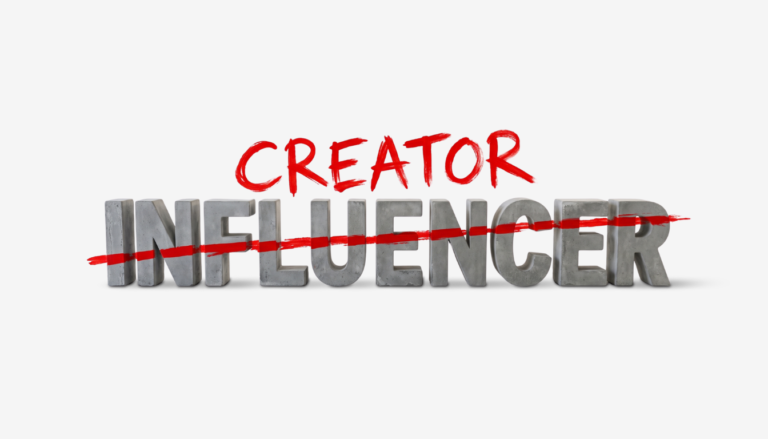
Creators, once treated as awareness vehicles, now function more like frontline retail staff. They demonstrate, recommend, reassure, and follow up, often in a single video. Their content doesn’t expire after posting either; the algorithm keeps reintroducing high-performing videos to new audiences, allowing a single piece of content to generate sales weeks after publication. In this environment, a creator is not the top of the funnel; they are the funnel itself.
This changes how brands must think about partnerships. Instead of chasing reach, the smarter play is to identify which narratives actually convert and invest in repeating and scaling those formats. The real asset is no longer the influencer’s follower count, but the persuasiveness of their storytelling.
When Merchandising Becomes Marketing
TikTok Shop has also blurred the line between marketing and commercial operations. Discounts, bundles, sampling strategies, and limited-time offers are no longer just pricing decisions; they are content accelerators. Certain offers encourage creators to post more. Certain price points lower hesitation and increase shareability. Certain product formats lend themselves more naturally to viral storytelling.
In practice, this means that the teams responsible for performance, creator strategy, and product merchandising can no longer operate in silos. What sells best on TikTok is not always what has the highest margin or the most polished packaging, but what is easiest to demonstrate, explain, and believe.
The most successful beauty brands on the platform increasingly behave less like advertisers and more like media producers. They build recurring content formats, invest in long-term creator ecosystems rather than one-off campaigns, and treat TikTok Shop not as an experimental channel but as a core retail environment.
A New Power Map in Beauty
Perhaps the most disruptive outcome of TikTok Shop’s rise is who gets to win. Traditional advantages in beauty — shelf space, retail partnerships, legacy brand equity — are being partially replaced by narrative advantage. A small brand with a compelling founder story, visible results, and strong creator advocacy can now compete with incumbents that once dominated through distribution alone.
This doesn’t mean big brands are losing relevance, but it does mean they must relearn how to build relevance. Authority no longer flows top-down from campaigns. It emerges bottom-up from collective creator validation and community response. Trust is earned in comment sections, not claimed in taglines.
The Real Takeaway
This new model is powerful, but it is not without risk. Incentive-heavy strategies can train audiences to wait for discounts. Overdependence on a single platform exposes revenue to algorithm shifts. Fast-moving virality can attract counterfeits and gray-market resellers, and the closer a brand moves to platform-native commerce, the more it must accept that it is building on rented land.
TikTok Shop’s impact on social media marketing is not about adding another channel to the mix. It is about redefining what marketing is, while content is no longer just persuasion; it has become a distribution, storefront, customer experience, and conversion engine.
Beauty just happens to be the category revealing this future first, and other sectors should be watching closely.