
The World Cup Moves Into the Feed
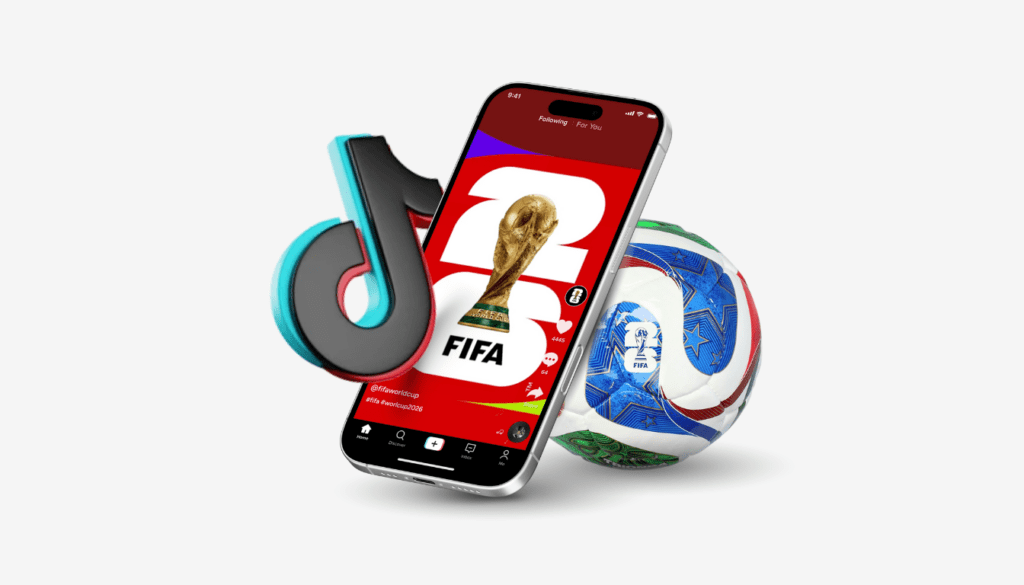
When FIFA named TikTok its official platform for the 2026 World Cup, the announcement, at first glance, sounded like just another distribution agreement in an already crowded digital landscape. In reality, the decision represents a far more consequential shift: a redefinition of where the tournament actually lives for millions of fans. No longer anchored primarily to television schedules or federation websites, the World Cup is being repositioned inside a feed designed for discovery, participation, and continuous conversation, effectively transforming TikTok from a space of reaction into an environment where fans begin to navigate the entire experience around the event.
At the heart of the partnership sits a dedicated World Cup hub powered by TikTok Game Plan, conceived to concentrate content, guide users toward ticketing and broadcast information, and sustain engagement through interactive formats such as custom filters, stickers, and gamified mechanics. The structure’s ambition makes TikTok feel less like a companion screen and more like the tournament’s digital headquarters. Instead of forcing audiences to chase fragmented highlights and updates across platforms, FIFA is steering them toward a single environment that blends utility, entertainment, and community into one continuous, self-reinforcing loop.
When Social Becomes the Front Door
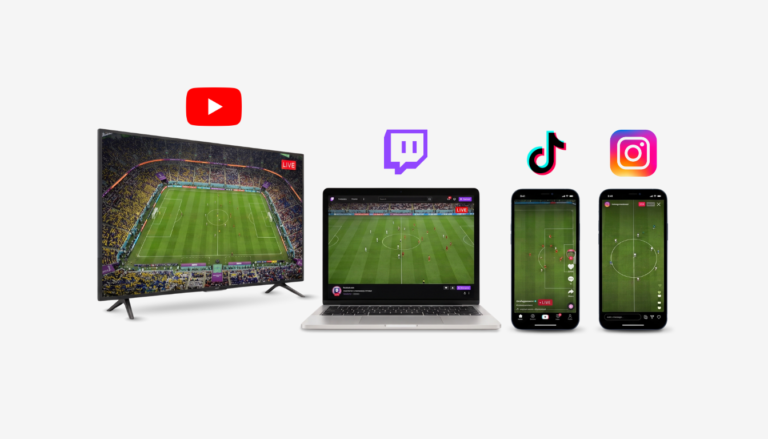
This repositioning reveals something more profound about how global events now compete for attention. For decades, the World Cup’s gravitational center was television, while social media largely served as an echo chamber, amplifying moments that had already unfolded elsewhere. The logic is now reversing. The social layer increasingly becomes the entry point, shaping which narratives rise, which players break through culturally, and which moments travel beyond the traditional boundaries of football fandom. Television and streaming still retain enormous value, but they are increasingly the endpoint of a journey that begins with a scroll.
What is being redesigned is not simply distribution, but behavior. The tournament is no longer organized solely around what people watch, but around how often they return, how they participate, and how deeply the event integrates into their daily digital routines. In that context, attention is no longer episodic, clustered around matches, but continuous, cultivated through rituals that stretch far beyond the final whistle.
Broadcasters Gain Reach but Lose Exclusivity
The implications for broadcasters and official media partners are equally significant. Under the agreement, they are granted the ability to distribute curated clips and selected live segments directly on TikTok, while also monetizing that presence through premium advertising solutions. This flexibility suggests that FIFA’s priority is less about protecting every second of footage and more about expanding reach, particularly among younger audiences whose viewing habits are increasingly shaped by platforms rather than channels.
The highlight economy, once treated as a byproduct of the tournament, is now being designed into its architecture. For media companies, this creates both opportunity and tension. TikTok can become a powerful demand generator, pulling casual viewers toward longer-form coverage, yet it can also absorb attention that previously belonged to owned platforms. In this environment, access alone will no longer be a competitive advantage; differentiation will come from depth, perspective, and the quality of storytelling that surrounds the footage.
Creators Become the New Storytellers
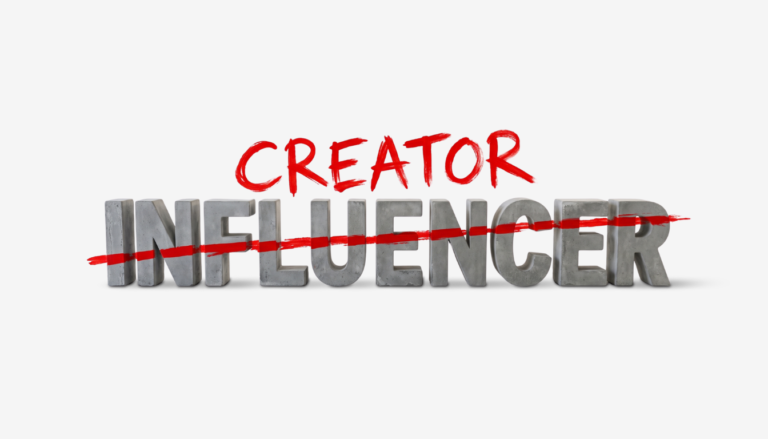
Perhaps the most emblematic evolution lies in the formalization of a creator program that grants selected global influencers behind-the-scenes access to press conferences, training sessions, and internal tournament moments. In doing so, FIFA is effectively elevating creators into an official storytelling layer, positioned somewhere between journalists, fans, and cultural interpreters of the event.
For audiences, this approach humanizes the tournament and broadens its emotional register. For brands, it opens a parallel and increasingly powerful route into the World Cup ecosystem. Sponsorship is no longer confined to logos on shirts or perimeter boards; it now flows through personalities who translate the tournament into narratives that resonate with specific communities, whether through humor, aesthetics, tactical analysis, travel culture, or identity. In this model, influence becomes less about scale alone and more about cultural proximity.
Participation Becomes the Real Product
What ultimately makes the strategy so structurally intelligent is its focus on participation rather than mere reach. Filters, stickers, and interactive formats are not superficial embellishments; they are behavioral tools designed to encourage fans to perform their fandom publicly and repeatedly. Each match becomes an invitation to express identity, each goal a prompt to co-create content, each storyline a trigger for ongoing engagement.
For marketers, this reframes the nature of effective activation. The most impactful brand presences will not feel like interruptions layered onto the tournament, but like natural extensions of its rituals. Brands that understand the language, tempo, and cultural codes of the platform can integrate themselves into the lived experience of the event, while those that rely on traditional advertising logic risk remaining technically present but culturally invisible.
The Strategic Risk Behind the Opportunity
Beneath the ambition, however, sits an undeniable tension. Concentrating so much of the tournament’s digital life within a single platform inevitably increases dependency, and TikTok’s regulatory environment, particularly in the United States, remains politically sensitive and structurally unpredictable. For brand leaders and media planners, this uncertainty becomes an additional variable in an already complex ecosystem.
The likely response will be a new emphasis on strategic flexibility: creative systems built for TikTok first but designed for rapid adaptation elsewhere, diversified creator ecosystems rather than reliance on a handful of voices, and heightened attention to brand safety in an environment where scale and emotion can amplify both opportunity and volatility.
A New Operating System for Global Events
Even with these risks, the broader direction is unmistakable. FIFA is no longer treating social media as a promotional layer attached to the tournament; it is treating it as infrastructure. By positioning TikTok as the preferred platform, the organization is effectively designing a digital operating system for the World Cup, one in which discovery, participation, storytelling, and monetization are structurally interconnected rather than functionally separate.
For marketers, the implication is clear: success in 2026 will not belong to those who shout the loudest around the tournament, but to those who understand its rhythms most deeply and manage to earn a legitimate place in fans’ daily habits.
The 2026 World Cup will still be remembered for goals, upsets, and legends. Yet its most enduring legacy for the industry may be more subtle and more transformative: it may mark the moment when the world’s biggest sporting event stopped being organized primarily around broadcasts and began to be organized around behavior.