
When Influence Stopped Being a Side Bet
For much of the past decade, influencer marketing existed in a comfortable gray zone, where budgets were modest, expectations were flexible, and success could be loosely defined by visibility, engagement, or cultural relevance. That tolerance, however, has steadily eroded. Creators have professionalized, audiences have fragmented, and platforms have rewritten the rules of distribution, pushing influence out of the experimental column and directly into the core of media planning.
Today, creator partnerships no longer compete with PR initiatives or organic social posts for justification; they compete with paid media, retail media, and performance channels for budget. And once that happens, instinct is no longer sufficient. Brands are no longer asking whether a campaign “worked on social,” but whether it delivered something tangible that the business would have missed without it.
The End of Vanity Economics
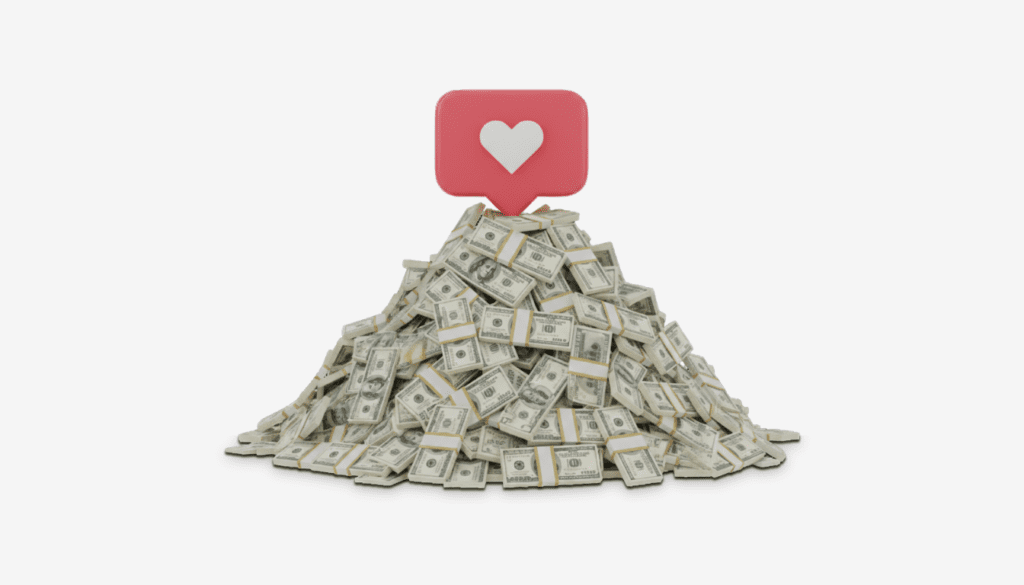
As influence becomes more expensive, the industry’s tolerance for soft metrics has narrowed. Likes, impressions, and follower growth still have descriptive value, but they are increasingly insufficient as proof of effectiveness. They explain activity, not impact, and as budgets scale, that distinction matters.
This shift has exposed a deeper flaw in how creator marketing was historically evaluated. When fees were low, success could be framed emotionally or culturally; now, as costs rise, brands are forced to confront a harder question: did this partnership actually change consumer behavior, or did it simply accompany outcomes that would have happened anyway? In that moment, traditional attribution models begin to feel inadequate, unable to capture the indirect, persuasive role creators often play.
Measuring What Actually Changes Behavior
In response, measurement is moving away from credit and toward contribution. Rather than asking which creator “drove” a conversion, brands are increasingly focused on whether creator exposure altered outcomes at a meaningful level. That may show up as faster conversion cycles, improved acquisition efficiency, or shifts in customer quality that only become visible over time.
This reframing has expanded the definition of success. A creator partnership that appears costly on a narrow conversion metric can still outperform if it attracts customers who stay longer, spend more, or respond better to subsequent media. In this context, creators function less as traffic generators and more as demand shapers, influencing not just whether consumers buy, but how and when they do.
Creators as Media and as Product
At the same time, the line between creator marketing and paid media has all but disappeared. Creator content is now amplified, optimized, and scaled through paid systems, transforming creators into hybrid investments that combine storytelling with distribution. Brands are no longer buying a post; they are buying a creative system.
As a result, measurement has expanded to include creative durability. Marketers are paying closer attention to which creator assets continue to perform when reused, which narratives withstand repetition, and which partnerships produce content that reduces fatigue rather than accelerating it. These questions matter because they determine whether creators spend compounds over time or reset with every new collaboration.
Attention Quality over Attention Volume
Engagement, once treated as a universal proxy for success, is also being reinterpreted. High interaction without depth is increasingly viewed as noise, particularly in environments where participation is cheap and performative. In its place, brands are prioritizing signals that suggest genuine resonance, such as sustained attention, repeat viewing, saving behavior, and conversations that feel organic rather than transactional.
Audience alignment has similarly overtaken raw scale as a predictor of performance. In an ecosystem defined by saturation, relevance often outperforms reach, especially when creators are tasked with introducing new categories, shifting brand perception, or building trust with skeptical consumers. The creator who understands the context frequently delivers more value than the one with the largest following.
Why This Moment Feels Tense for The Industry
This evolution has introduced friction, largely because it removes ambiguity. When measurement was loose, influence could be defended through narrative and cultural cachet. As budgets grow and scrutiny tightens, creator marketing is being held to the same standards as every other major channel, forcing brands and creators alike to recalibrate expectations.
Fees, contracts, and partnerships are adjusting accordingly, with greater emphasis on long-term value rather than one-off visibility. The tension, however, signals not a decline in influence, but its maturation. The creator economy is becoming less about hype and more about infrastructure, connecting creativity to outcomes and storytelling to sustainable growth.
The Future of Influence Looks Quieter, but Stronger
In its next phase, creator marketing is unlikely to look as explosive as it once did. Instead, it will look steadier, more measurable, and more defensible inside the business. The brands that succeed will be those that stop asking whether a creator “performed well” and start asking whether the partnership made the business meaningfully better.
Influence is no longer cheap, and it is no longer abstract. In today’s creator economy, the metrics that matter are those that can withstand serious scrutiny.