

A Free Upgrade With a Strategy Attached
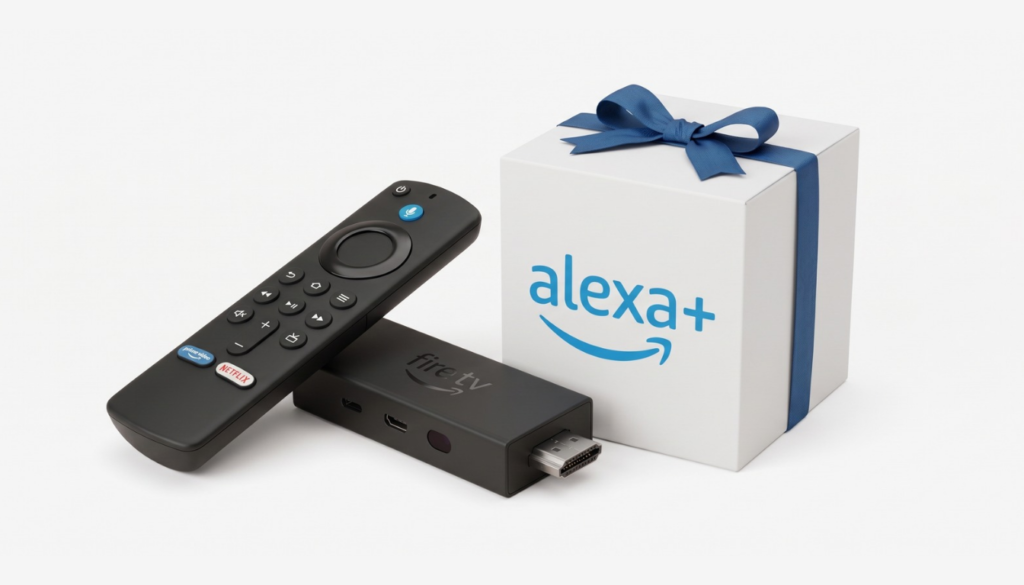
On August 19, Amazon made Alexa+, the generative-AI overhaul of its voice assistant, available on Fire TV at no additional cost to every customer in the United States, whether or not they pay for Prime. The rollout requires no download, no subscription and no action from the customer, since eligible devices upgrade automatically over the coming weeks. Compatible hardware spans current Fire TV Sticks, the Fire TV Cube, Amazon’s Ember televisions and supported sets from brands such as Hisense and Panasonic. A smarter, more conversational assistant is arriving in millions of living rooms, and the price of admission is nothing.
Distribution First, Monetization Later
The giveaway follows a familiar Amazon pattern. The company has long been willing to subsidize an interface to build a habit, then earn its return once the habit is entrenched. Removing the Prime requirement is the sharpest signal of intent, because it widens the funnel beyond Amazon’s paying members to anyone who owns a Fire TV. The assistant becomes a free front door into Amazon’s world, and the revenue arrives later through the shopping, advertising and subscription paths that a trusted voice interface can open. Adoption now is worth more to Amazon than a small licensing fee would be.
The Engagement Numbers That Matter
Amazon shared two figures that explain the logic. Customers talk to Alexa+ on Fire TV nearly twice as often as they did with the original Alexa, and they now accept the assistant’s top recommendation for a search over 40 percent more often than before. Recommendation acceptance is the number that should catch a marketer’s eye. Every time a viewer follows the assistant’s first suggestion, Amazon is shaping discovery, and discovery is where advertising and commerce are won. An assistant people trust to pick for them is an assistant that can decide which title, product or brand surfaces first.
The Living Room Is the AI Battleground
The move stakes a claim in contested territory. Google is pushing its Gemini assistant onto televisions, Samsung is building AI into its sets, and Apple continues to develop its own approach, all recognizing that the screen families gather around is a prime location for an ambient AI interface. Amazon’s advantage is its installed base, since Fire TV already sits in a large share of homes and can be upgraded overnight without new hardware. Distributing an improved assistant to that base at no cost is a bid to own the living-room layer before rivals can match its reach.
What Is Free and What Still Costs
The free tier is a wedge, not the whole offering. Routines, specific Ring camera moments, advanced Home Modes and Alexa+ on Echo devices still sit behind Prime or a paid plan. Amazon is giving away the experience most likely to build a daily habit while reserving the deeper capabilities for its paid ecosystem. That structure lets the company maximize reach with the free television tier and then present a clear upgrade path to households that want the assistant across their whole home, turning a free feature into a funnel.
What Marketers Should Take
The development points to a new layer between brands and consumers. As people ask an assistant what to watch or what to buy and increasingly accept its first answer, discovery shifts from browsing to being recommended, and the recommendation becomes the shelf. Brands will need to think about visibility inside AI-mediated discovery the way they once learned to think about search, because the assistant’s suggestion may matter more than the storefront. Amazon is building that layer inside the living room and giving it away to make sure it owns the moment of choice.