
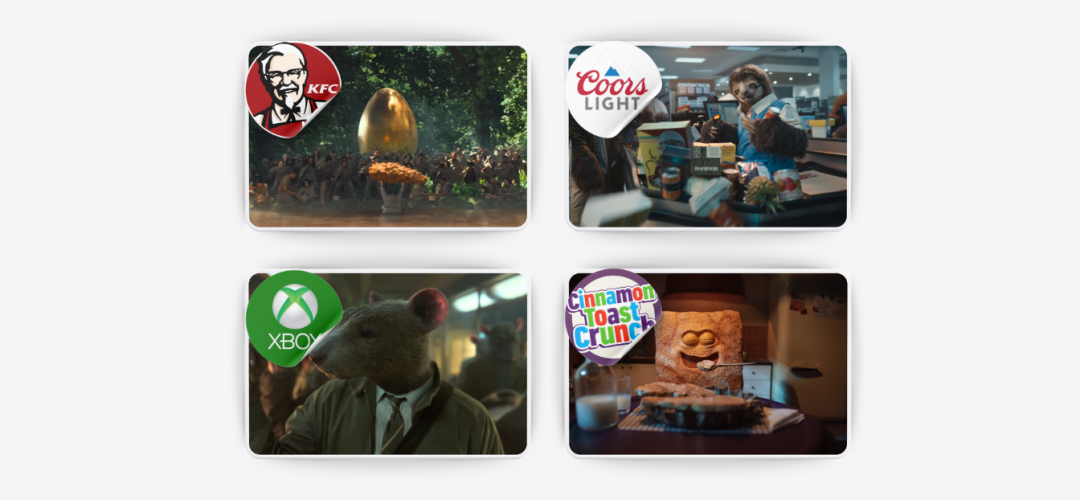
In a year defined by cultural crossovers, algorithm-driven content, and audience fatigue with sameness, 2025’s most memorable ads leaned into extremes. Brands chased attention with humor, surrealism, and emotional pivots that reframed what advertising could accomplish. Rather than polishing safe messages, marketers embraced chaos and imperfection, producing campaigns that sparked conversation long after the screens faded.
Where Absurdity Became Strategy
This year’s surge in surreal storytelling revealed a shared truth: if people scroll past perfection, they stop for the unexpected. Coors Light embodied this spirit with a self-aware stunt that embraced the messy aftermath of the Super Bowl. Beyond a commercial of lethargic office sloths trudging through modern burnout, the brand intentionally spread humorous misspellings across major public placements. The campaign’s deliberate embrace of human error made it feel disarmingly authentic and commercially potent, driving strong product lift in days.
Mountain Dew pushed absurdity even further with one of the year’s most unforgettable transformations, turning the singer Seal into an actual seal. The spot blended nostalgia with silliness in a way that didn’t just parody pop culture, but reframed it. The confidence to go delightfully off-script underscored a broader truth emerging across 2025: weird sells.
Dark Humor Finds a Marketing Home
Humor wasn’t limited to slapstick or spectacle. Several brands ventured into darker, more dissonant territory, tapping into the internet’s fascination with the unsettling. Cinnamon Toast Crunch offered perhaps the boldest example, recasting its beloved cereal squares as true-crime villains in a gritty, mock-documentary universe. For a category rooted in family-friendly nostalgia, the tonal flip was shocking, which made it effective. The campaign generated conversation precisely because it refused to behave like breakfast advertising.
KFC, however, delivered the year’s most polarizing creative moment. In a surreal baptism sequence, a man submerged in gravy emerged reborn as a piece of fried chicken. The imagery divided viewers, generating hundreds of complaints but also delivering a measurable sales boost. The ad demonstrated a truth few categories have dared to test: that controversy can be commercially effective when rooted in a strong brand identity.
When Ads Became Worlds Instead of Messages
Some of the year’s most compelling work expanded advertising beyond screens and into participatory culture. A music-industry standout transformed a major artist’s album launch into an immersive, location-based discovery experience that turned listeners into explorers. Thousands engaged with clues across iconic locations, collapsing the space between fandom and storytelling.
In gaming, one of the industry’s most artful films portrayed a downtrodden rat navigating the monotony of adult life before reclaiming joy through play. Crafted with cinematic ambition, the spot signaled an evolution in entertainment marketing, where emotional resonance matters as much as product demonstration.
What 2025 Says About the Future of Creativity
Taken together, the year’s top ads reveal a creative economy in transition. In a landscape saturated with algorithmic uniformity, surprise is now a strategy, and risk is a requirement.
The most successful campaigns were those willing to confuse, amuse, or even alienate viewers in the service of originality. Whether through humor, darkness, or immersive storytelling, these ads captured something that modern marketing desperately seeks: cultural relevance that feels earned rather than engineered.
In a world overflowing with content, memorability demands bravery, and advertising in 2025 proved that breaking the rules became the actual rule.