
More Than Performance, Adidas Reimagines the Sideline With “You Got This”
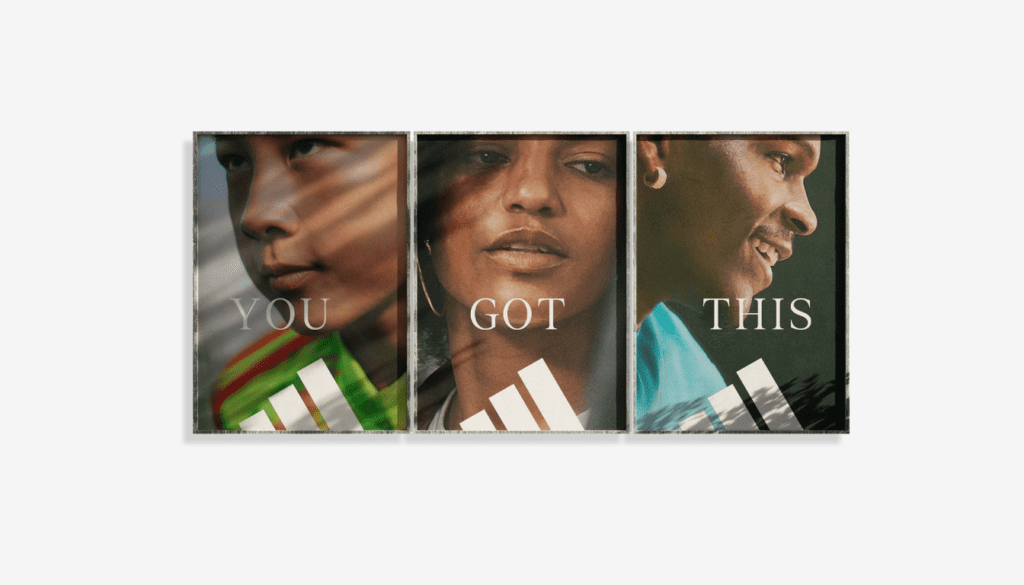
Adidas is reshaping sports culture with the next chapter of its global campaign, “You Got This,” launched in February 2025. By addressing athletes’ mental and emotional experiences, the brand shifts focus from performance pressure to the power of positive support—grounded in behavioral science and told through emotionally resonant stories.
With Great Accessibility Comes New Responsibility: GPT-4o and the Future of Visual Marketing

OpenAI’s new GPT-4o image generator is more than a tech upgrade—it’s a paradigm shift for marketers. With real-time visual creation now possible inside ChatGPT, brand teams are accelerating campaigns, slashing costs, and experimenting like never before. But alongside the power comes a new era of creative responsibility.
When Models Go Digital — H&M Bets on AI Twins to Shape the Future
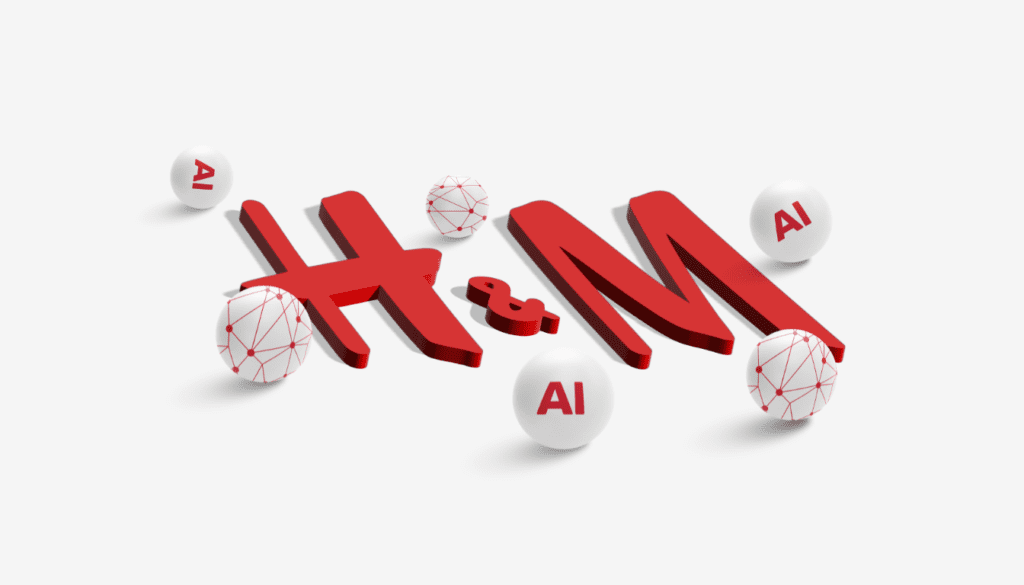
H&M is introducing digital replicas of accurate models into its marketing campaigns in a bold step toward AI integration. This innovation puts the brand at the center of fashion’s AI debate, raising questions about ethics, creativity, and the evolving meaning of representation in a tech-driven industry.
Everyone Needs a Break, And That’s Why Escapism Is Marketing’s New Language
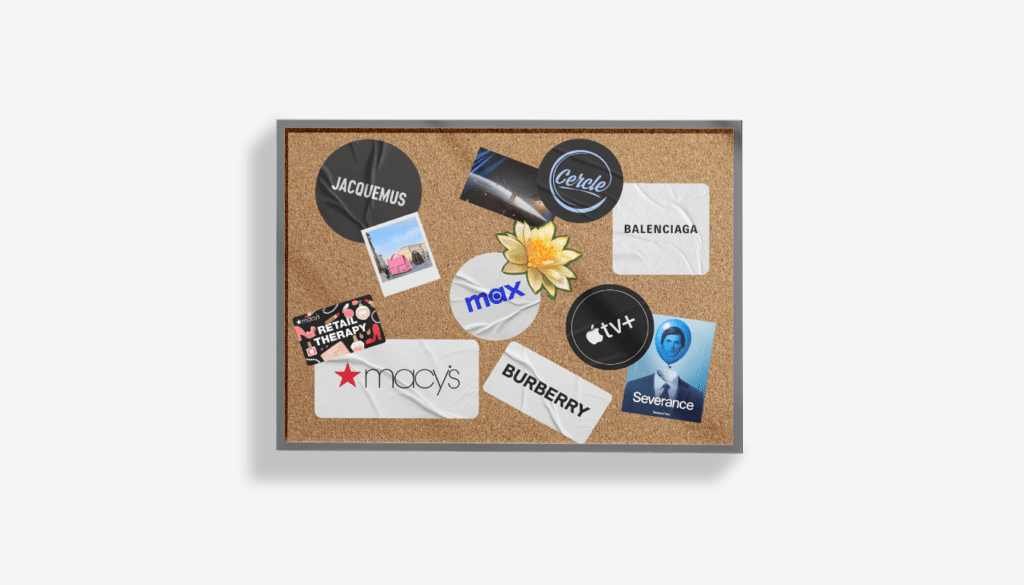
In a world oversaturated with anxiety, distraction, and digital noise, consumers aren’t just looking for products—they’re searching for a way out. Brands that offer escapism aren’t just selling; they’re soothing. From fashion campaigns that feel like dreams to multisensory cinema, escapism is emerging as one of marketing’s most potent emotional tools.
It Looks Like Brands Are Fighting Again, But Who Is Winning?
As brands fight for consumer attention, comparative advertising has evolved into a bold, confrontational strategy. Companies like Vrbo and McDonald’s aim directly at their competitors, sparking viral debates and brand wars.
PUMA Steps Into the Spotlight as Premier League’s New Ball Supplier
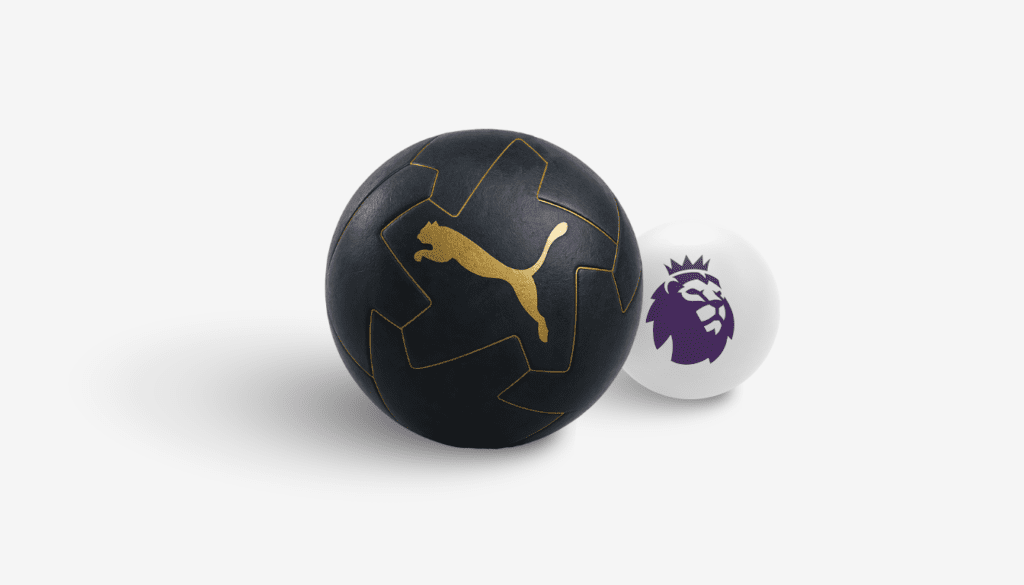
With Nike stepping aside after 25 years, PUMA enters the Premier League spotlight to provide the ball and reshape how brands engage with football’s global audience.
The Elegance Issue
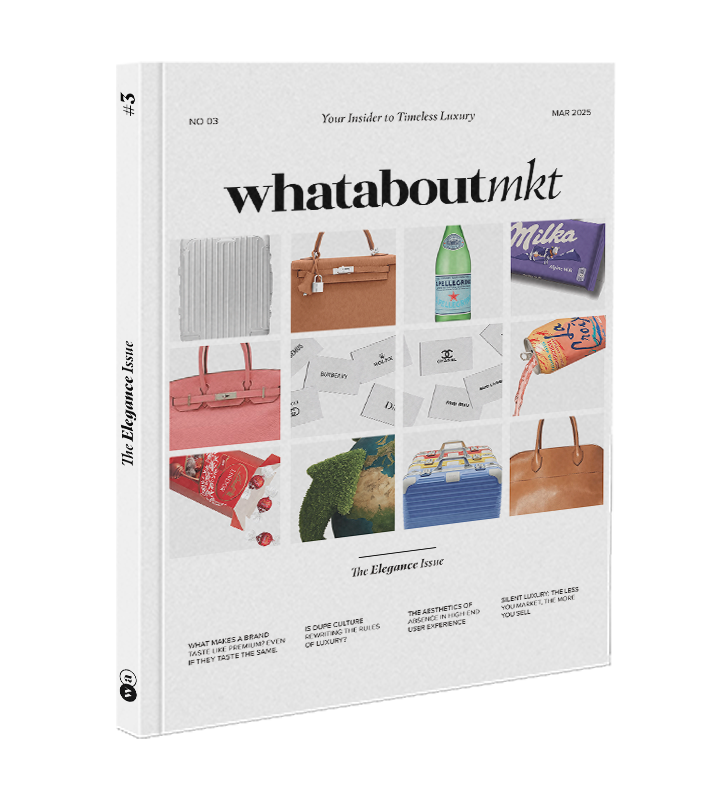
Elegance in 2025 is defined by what’s missing. The loudest brands are no longer the most desirable, and exclusivity now lives in silence. Luxury has shifted from labels to perception—how it feels, what it signals, and who isn’t in on it. From minimalist digital design to fashion houses that reject mass exposure, sophistication is turning inward. This is the era of understated power, where elegance is what’s left when everything else is stripped away. In this edition, we explore the new codes of luxury—from silent branding to dupe culture to the emotional design behind premium experiences.
IKEA’s Circular Economy: A Smart Marketing Move or Sustainability Spin?
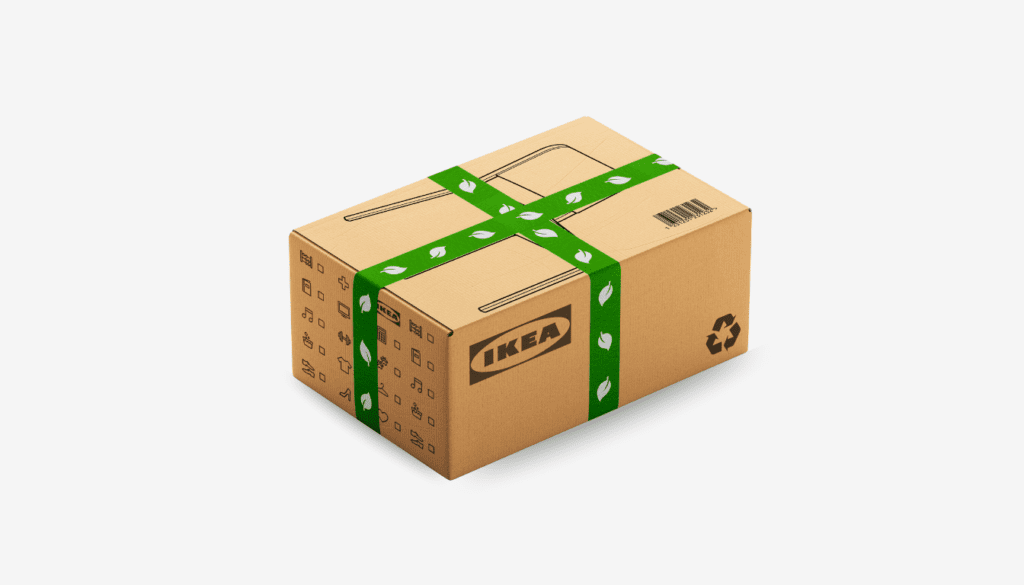
IKEA’s latest sustainability initiative, launching its peer-to-peer resale marketplace, signals a strategic shift in how brands can intertwine environmental responsibility with consumer engagement. More than a green initiative, this move strengthens IKEA’s positioning in the resale economy, fosters brand loyalty, and ensures long-term customer retention.
Coca-Cola Zero Sugar Bets Big on March Madness to Drive Brand Loyalty
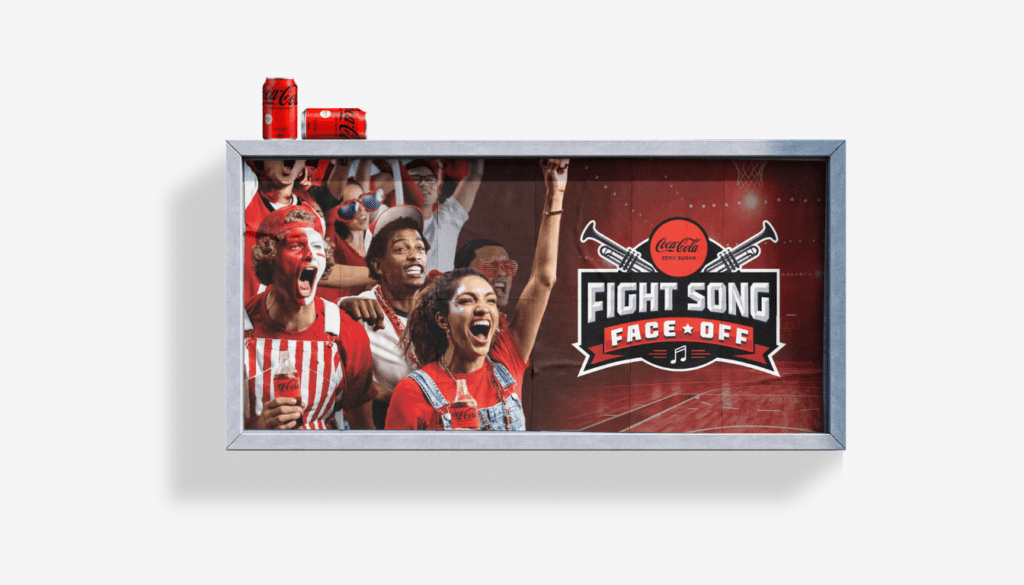
Coca-Cola Zero Sugar is making a bold play in sports marketing with its latest NCAA March Madness campaign, strategically tapping into the energy and passion of one of America’s most-watched sporting events.
Formula One’s Billion-Dollar Boom Reshaping Sports and Luxury
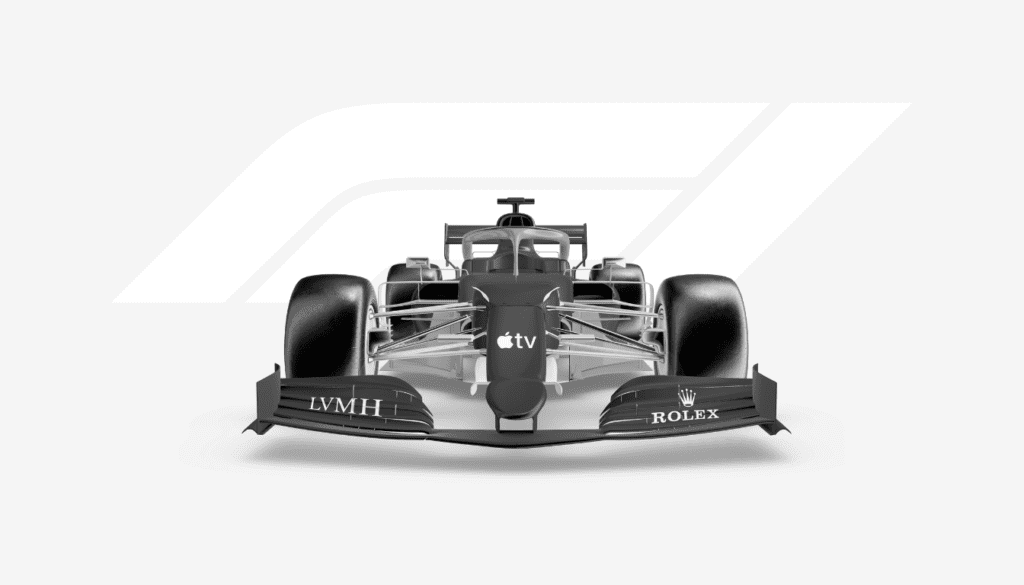
Formula One (F1) has evolved from niche motorsport into a financial juggernaut, driven by strategic media exposure, luxury brand collaborations, and celebrity influence.
Commercial Shake-Up Signals a New Era in Champions League

UEFA’s decision to award global marketing rights for the Champions League to U.S.-based Relevent Sports from 2027 to 2033 marks a major strategic shift.
How Lego Continues to Thrive in a Struggling Toy Industry
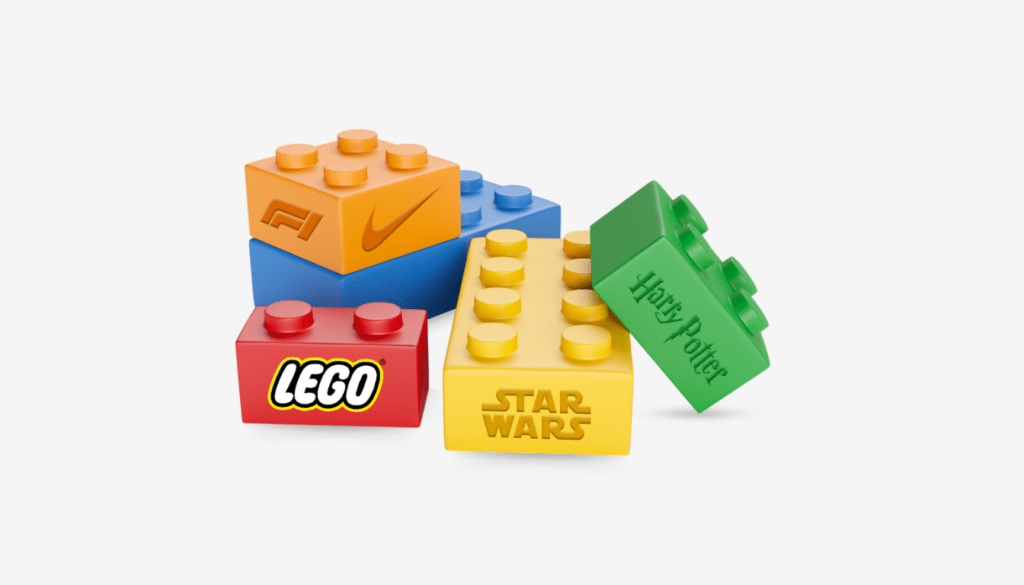
Despite a global downturn in the toy industry, Lego has again outperformed its competitors, posting a 13% revenue increase in 2024, reaching 74.3 billion Danish kroner (approximately $10.82 billion).