

How Lacoste Turned a Taxi Ride into a Statement on Authenticity
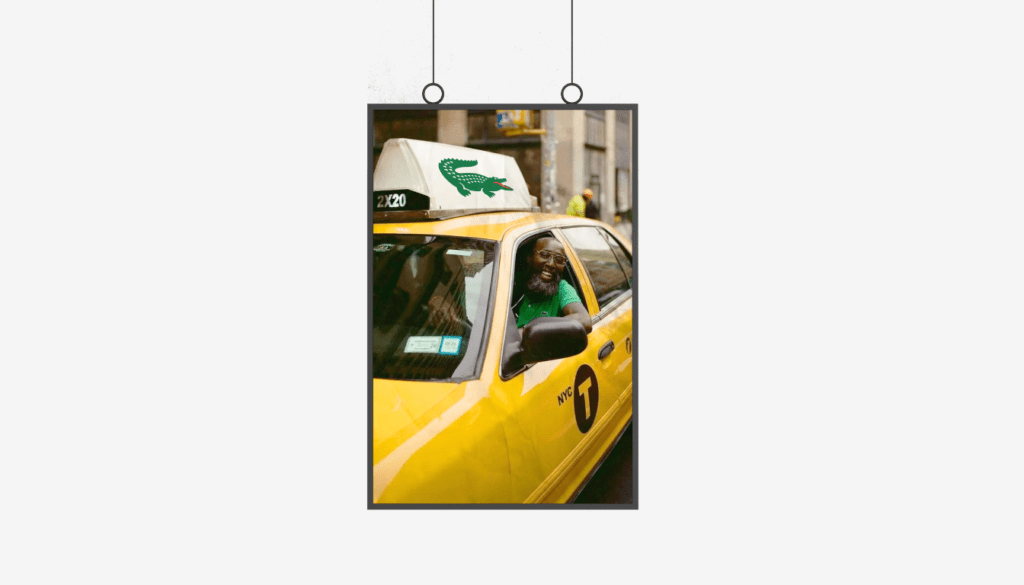
Lacoste’s latest campaign trades polish for a pulse, spotlighting an everyday New York cab driver to launch its Fifth Avenue flagship. It’s not just about clothes—cultural fluency, brand sincerity, and the new marketing rules in 2025.
When a Skincare Brand Sells Eggs, What’s the Real Message?
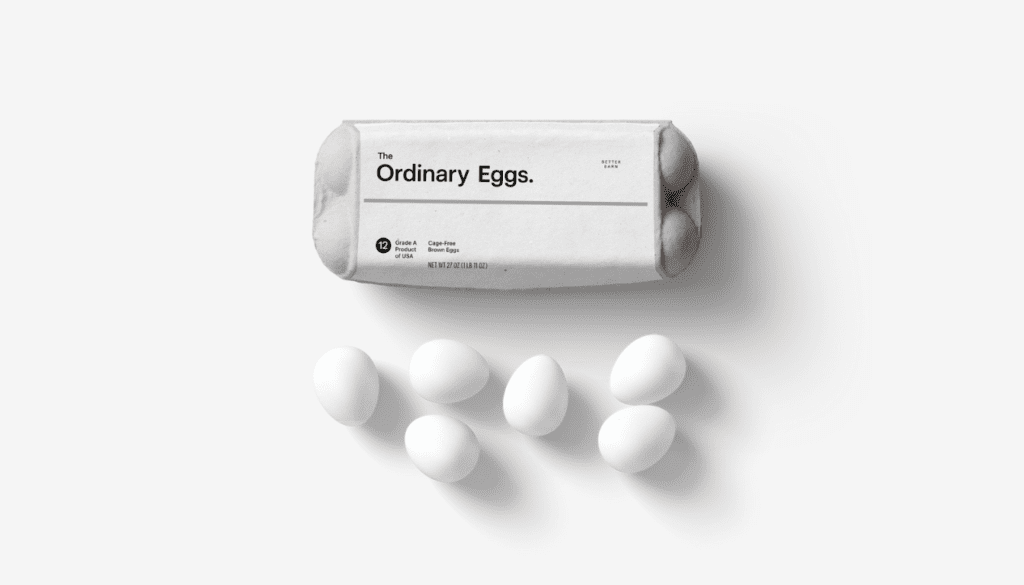
In a marketplace drowning in noise and sameness, The Ordinary cracked through with a bold, bizarre, and brilliant campaign—selling eggs in Manhattan. But beneath the absurdity lies a calculated strategy built on cultural provocation, economic empathy, and a deep understanding of what today’s consumers crave: relevance, not just products.
Everyone Needs a Break, And That’s Why Escapism Is Marketing’s New Language
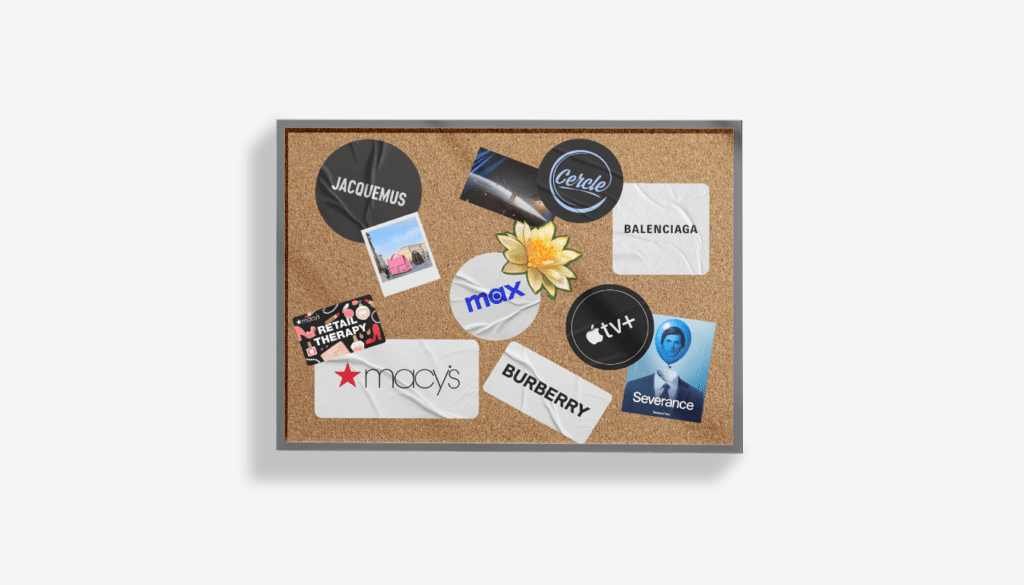
In a world oversaturated with anxiety, distraction, and digital noise, consumers aren’t just looking for products—they’re searching for a way out. Brands that offer escapism aren’t just selling; they’re soothing. From fashion campaigns that feel like dreams to multisensory cinema, escapism is emerging as one of marketing’s most potent emotional tools.
IKEA’s Circular Economy: A Smart Marketing Move or Sustainability Spin?
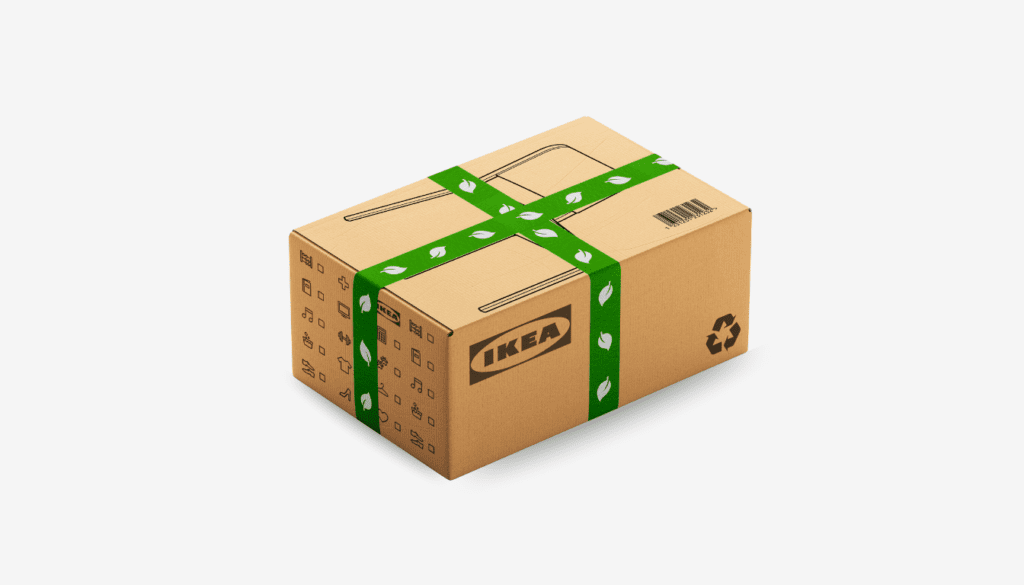
IKEA’s latest sustainability initiative, launching its peer-to-peer resale marketplace, signals a strategic shift in how brands can intertwine environmental responsibility with consumer engagement. More than a green initiative, this move strengthens IKEA’s positioning in the resale economy, fosters brand loyalty, and ensures long-term customer retention.
Coca-Cola Zero Sugar Bets Big on March Madness to Drive Brand Loyalty
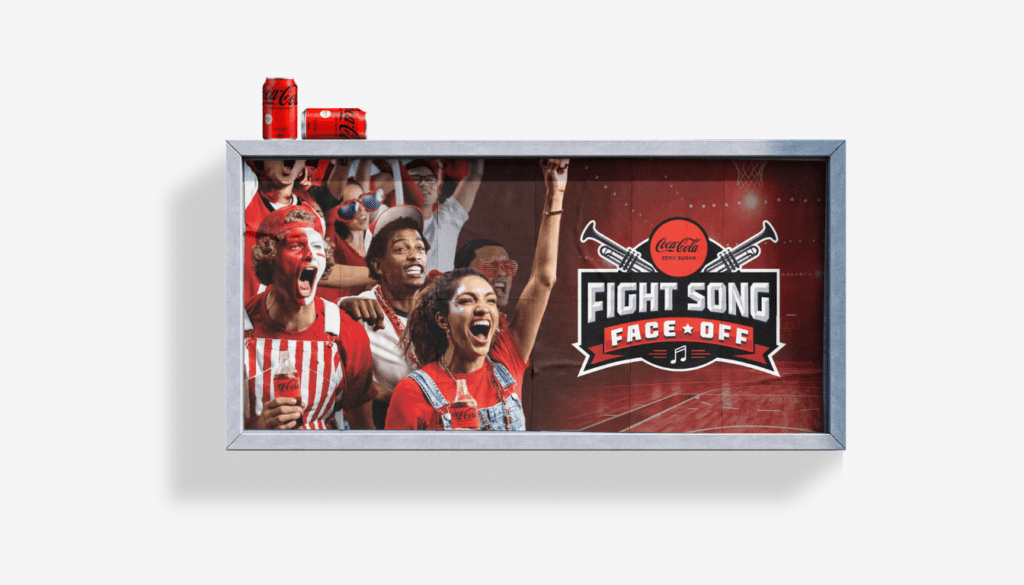
Coca-Cola Zero Sugar is making a bold play in sports marketing with its latest NCAA March Madness campaign, strategically tapping into the energy and passion of one of America’s most-watched sporting events.
How Lego Continues to Thrive in a Struggling Toy Industry
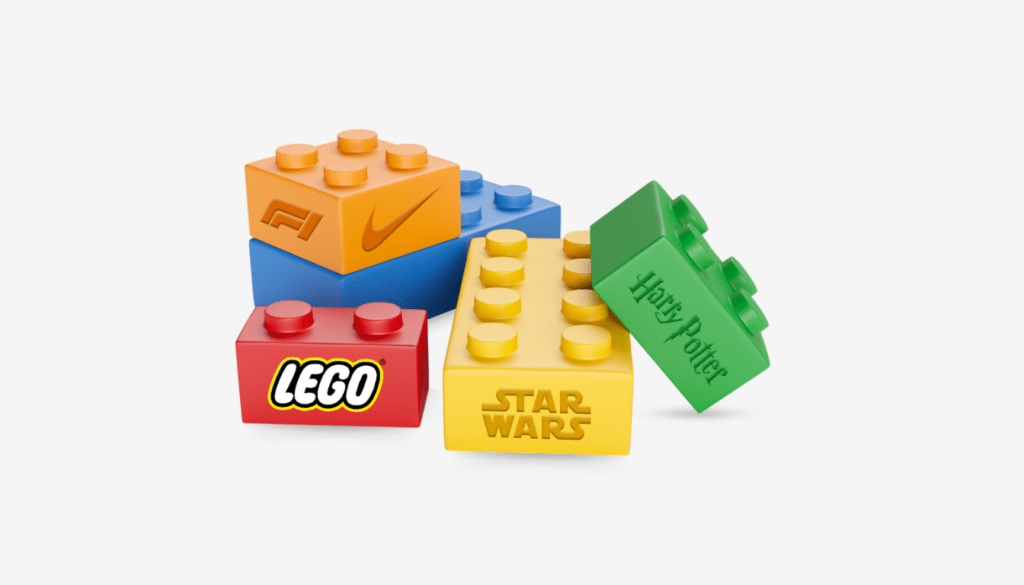
Despite a global downturn in the toy industry, Lego has again outperformed its competitors, posting a 13% revenue increase in 2024, reaching 74.3 billion Danish kroner (approximately $10.82 billion).
Luxury Now Tastes Like Coffee
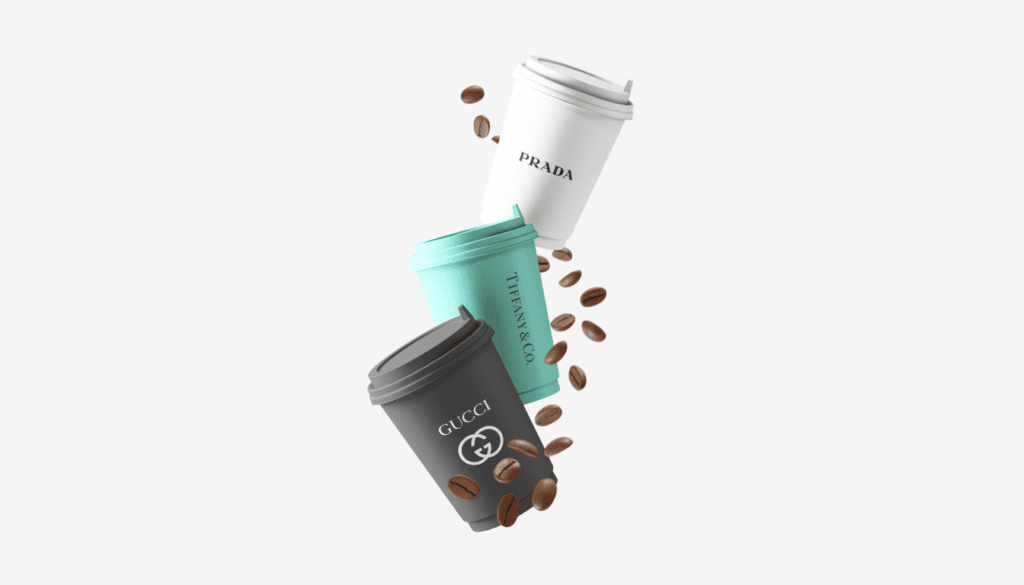
Luxury brands are transforming how consumers engage with high-end fashion by tapping into the sensory appeal of coffee culture. With Gen Z driving a shift towards experiential luxury, fashion houses like Prada, Gucci, and Tiffany & Co. are embracing premium coffee experiences to reinforce their brand identity, create shareable moments, and offer an affordable yet exclusive taste of their world.
Zara, Kiehl’s, and Jacquemus Are Skiing Their Way Through Sports Aesthetic
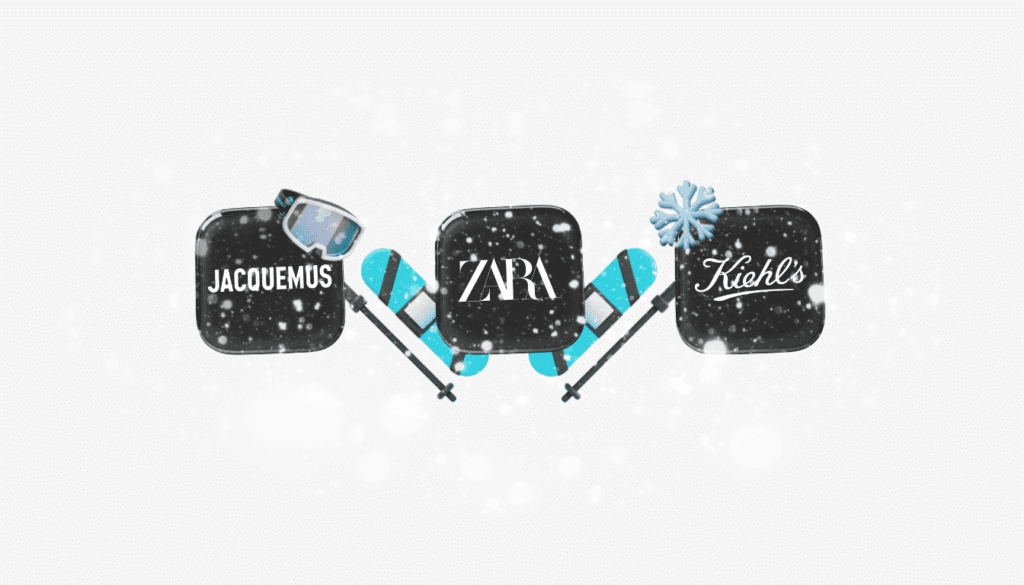
Companies like Zara, Kiehl’s, and Jacquemus embrace ski culture to create compelling campaigns, broaden their audience, and blend functionality with aspirational lifestyles. As the sports aesthetics trend gains traction, brands across industries are reimagining their strategies to align with the allure of active, high-end living.
Retention or Acquisition: The Ongoing Debate in Business Strategy

Customer retention versus acquisition has long been a central debate in business strategy. While acquiring new customers is essential for growth, retaining existing ones is often more cost-effective and sustainable.
How Can Brands Influence People to Be Better Consumers?
In an era when consumers are increasingly mindful of their purchasing decisions, brands are no longer just selling products—they’re shaping values, behaviors, and even societal norms.
Why Humor Works in Marketing

When brands compete for attention and loyalty, humor has emerged as a powerful tool for entertainment and strategically influencing consumer behavior, making it an indispensable element in modern advertising.
Should Brands Prioritize Commercial Success or Creativity?

While creative campaigns foster brand identity and engagement, financial sustainability ensures longevity. The real question is: should brands push boundaries with innovation or focus on what sells?