

PUMA Steps Into the Spotlight as Premier League’s New Ball Supplier
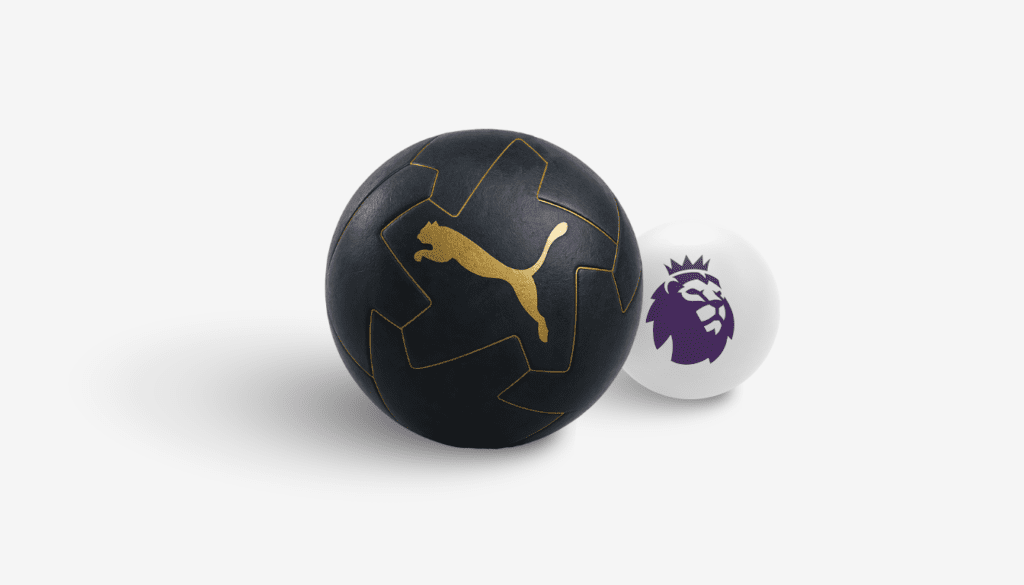
With Nike stepping aside after 25 years, PUMA enters the Premier League spotlight to provide the ball and reshape how brands engage with football’s global audience.
IKEA’s Circular Economy: A Smart Marketing Move or Sustainability Spin?
IKEA’s latest sustainability initiative, launching its peer-to-peer resale marketplace, signals a strategic shift in how brands can intertwine environmental responsibility with consumer engagement. More than a green initiative, this move strengthens IKEA’s positioning in the resale economy, fosters brand loyalty, and ensures long-term customer retention.
Coca-Cola Zero Sugar Bets Big on March Madness to Drive Brand Loyalty
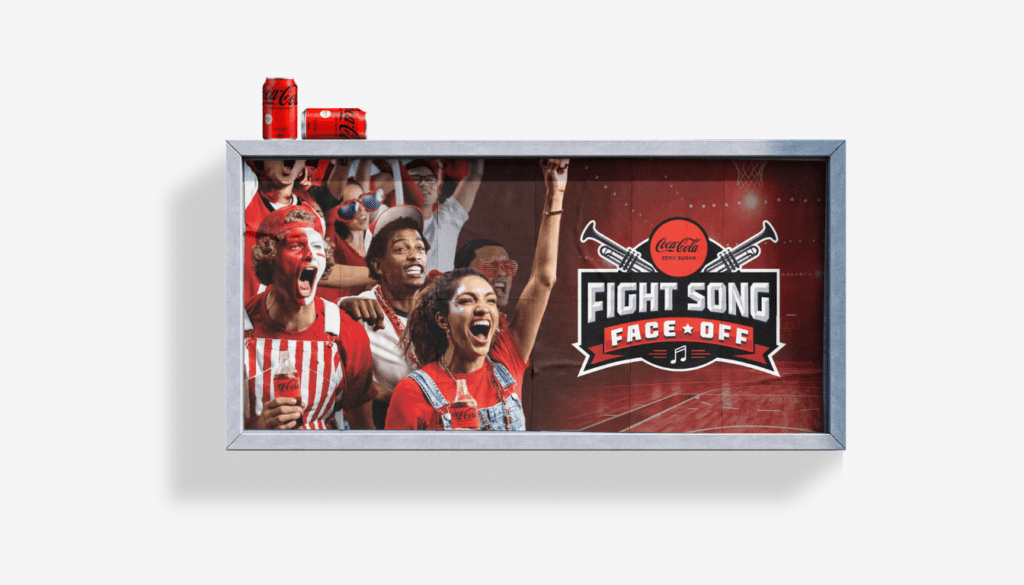
Coca-Cola Zero Sugar is making a bold play in sports marketing with its latest NCAA March Madness campaign, strategically tapping into the energy and passion of one of America’s most-watched sporting events.
Formula One’s Billion-Dollar Boom Reshaping Sports and Luxury
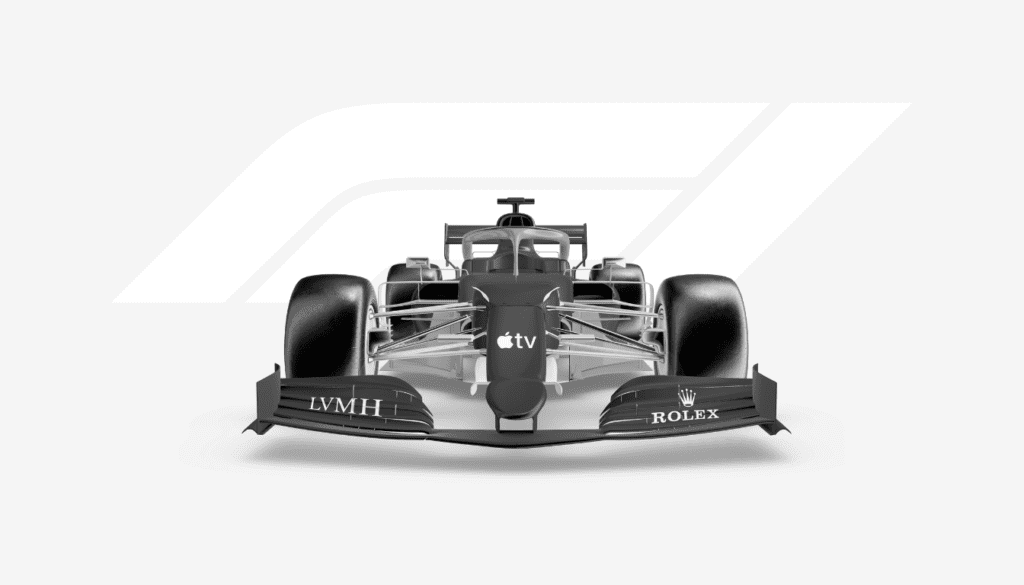
Formula One (F1) has evolved from niche motorsport into a financial juggernaut, driven by strategic media exposure, luxury brand collaborations, and celebrity influence.
Commercial Shake-Up Signals a New Era in Champions League

UEFA’s decision to award global marketing rights for the Champions League to U.S.-based Relevent Sports from 2027 to 2033 marks a major strategic shift.
How Lego Continues to Thrive in a Struggling Toy Industry
Despite a global downturn in the toy industry, Lego has again outperformed its competitors, posting a 13% revenue increase in 2024, reaching 74.3 billion Danish kroner (approximately $10.82 billion).
iPhone 16e: Apple’s Budget iPhone That Isn’t So Budget After All
Apple’s introduction of the iPhone 16e signals a strategic shift in branding rather than just a new pricing model. Apple is redefining consumer perception of its lower-cost models by moving away from the “SE” moniker and integrating the device into the iPhone 16 lineup.
Ray-Ban Needed a Bold Move to Remain Competitive. Enter A$AP Rocky.

Ray-Ban’s decision to appoint A$AP Rocky as its first-ever Creative Director marks a significant shift for the legacy eyewear brand. By tapping into the rapper’s undeniable influence in fashion and culture, Ray-Ban seeks to bridge its storied heritage with the evolving aesthetics of the luxury streetwear generation.
Amazon’s Alexa+ and the Future of AI-Driven Marketing
Amazon’s upcoming launch of Alexa+, powered by generative AI, is not just a step forward for intelligent assistants but a paradigm shift for marketers. With its ability to deliver hyper-personalized experiences, voice-activated commerce, and AI-driven content creation, Alexa+ has the potential to redefine how brands interact with consumers.
Luxury Now Tastes Like Coffee
Luxury brands are transforming how consumers engage with high-end fashion by tapping into the sensory appeal of coffee culture. With Gen Z driving a shift towards experiential luxury, fashion houses like Prada, Gucci, and Tiffany & Co. are embracing premium coffee experiences to reinforce their brand identity, create shareable moments, and offer an affordable yet exclusive taste of their world.
Zara, Kiehl’s, and Jacquemus Are Skiing Their Way Through Sports Aesthetic

Companies like Zara, Kiehl’s, and Jacquemus embrace ski culture to create compelling campaigns, broaden their audience, and blend functionality with aspirational lifestyles. As the sports aesthetics trend gains traction, brands across industries are reimagining their strategies to align with the allure of active, high-end living.
Is AI the Next Step for Customer Experience? Let’s Hear What the Fast-Food Giant Has to Say
McDonald’s is embarking on a bold artificial intelligence transformation, integrating cutting-edge technologies across its 43,000 restaurants worldwide. From AI-powered drive-throughs to predictive maintenance, the global fast-food leader is streamlining operations and reshaping the industry’s future. But can McDonald’s balance innovation with customer satisfaction?