
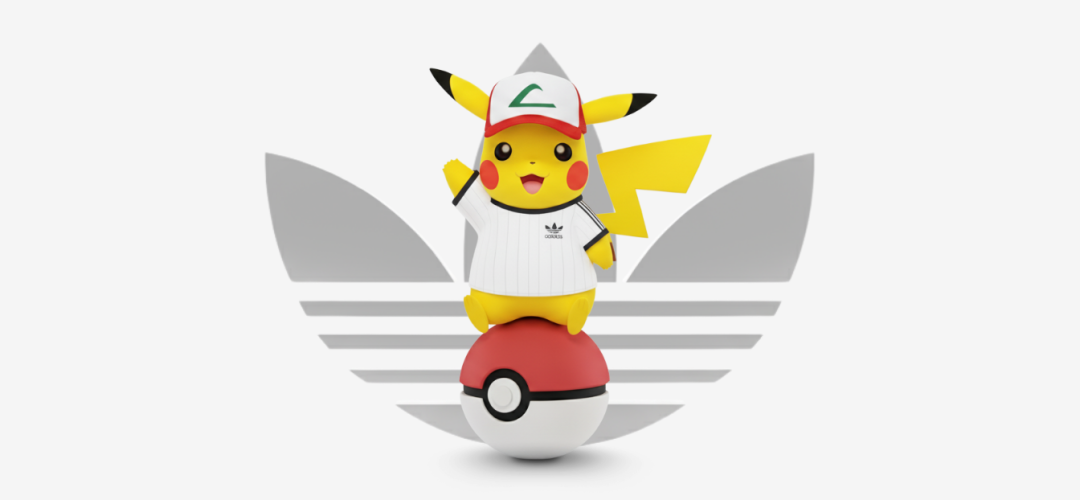
Fans of Pokémon will enter 2026 expecting a yearlong celebration of the franchise’s 30th birthday, and a fresh rumor suggests adidas may be part of the party. While neither company has confirmed plans, industry chatter points to a cross-generational capsule spanning kids and adults, anchored by the Samba, Superstar, and Adistar XLG 2.0. If it materializes in the second half of 2026, the collection would sit inside a broader wave of anniversary programming and test how far nostalgia, fashion, and family sizing can pull in the same direction.
What a Rumor Signals About Strategy
Unconfirmed projects still tell a story, as choosing Samba and Superstar implies a bid for scale, given both silhouettes’ global familiarity and the ease with which character art can live on classic forms, adding the chunkier Adistar XLG 2.0 hints at a fashion-forward tier that can justify richer materials and higher price points. The sizing plan, which is said to include both adults and kids, would allow for family pairs and multi-unit baskets without creating scarcity fatigue. For adidas, that combination offers a way to blend mainstream volumes with pockets of collectible heat, keeping hype controlled rather than chaotic.
The Anniversary Economy That Lasts all Year
Pokémon’s 2026 is likely to stack moments across toys, games, events, and collaborations. Footwear that drops in chapters across the back half of the year can draft off those peaks, using each franchise beat as a marketing tailwind rather than an isolated announcement. That approach favors storytelling over simple graphic swaps, because product narratives can connect to wider cultural moments, from convention weekends to game updates to trading-card flashpoints.
Moreover, Pokémon’s multigenerational fandom creates an unusual brief. Adults often want references that nod to childhood without tipping into costume, while younger buyers lean into bold, character-first visuals. Superstar can carry broad, emblematic artwork that reads instantly on foot and on-screen. In that sense, Samba supports subtler pattern play and color blocking for fashion-centric wearers. At the same time, Adistar XLG 2.0 offers a canvas for exaggerated proportions or tech-coded details that move the collaboration beyond prints landing on packaging and small collectibles, even as simple as stickers or anniversary badges, can trigger the collector instinct at low cost while boosting perceived value.
Distribution Math with Emotion Attached.
Managing demand will be the defining risk. Too much widely available product dulls excitement; too little inflames bots and resale churn. It is expected to be a tiered approach if the project goes ahead, with broad distribution for core colorways to keep families in the funnel and limited regional or store-exclusive executions to preserve a sense of discovery for enthusiasts. Digital experiences can balance the equation, from app-based early access tied to scavenger-hunt mechanics to in-store events that turn queues into content creation. The goal is to convert attention into attachment rather than letting hype spill into frustration.
Character collaborations often feature intricate prints, embroidery, or special tooling that add to the cost. A clear ladder helps shoppers self-select without confusion. In that scenario, entry SKUs can hold the line for families shopping multiple pairs, while premium materials and numbered Packaging justify higher tiers for collectors. The real margin story likely lies outside the shoebox. Matching apparel, caps, and socks extend the basket, and well-built product detail pages can nudge shoppers to complete the look in a single transaction. If the anniversary calendar concentrates traffic into tight windows, retailers will want PDPs that display all sizes and styles on a single page to minimize lost carts.
Cultural fit and the Power of Shared Nostalgia
Few franchises bridge millennials and Gen Z as cleanly as Pokémon. The first group grew up with the originals and now buy for themselves and for kids; the second embraces anime aesthetics and cross-category collaborations as part of everyday style. Adidas has spent the past few years re-cementing its casual icons at the center of streetwear and lifestyle. A partnership that respects both worlds can travel quickly across social feeds and into daily wardrobes. That dynamic is strongest when the product treats characters as design elements rather than decorations, signaling to adults that the shoes belong in the rotation, not just on a shelf.
What to Watch Between Now and Launch Season
Teaser imagery that spotlights anniversary marks or character silhouettes on classic shells tends to land weeks ahead of full reveals. If multiple franchise partners line up around late summer and the holidays, adidas may position its chapters to catch that traffic without getting lost inside it. The timing matters because the right week can turn a collaboration into a program rather than a one-off drop.
The rumored collection, confirmed or not, points to a playbook that other marketers can borrow. Anchor collaborations on iconic shapes for scale, add a fashion tier for edge, plan in chapters, and connect product stories to a cultural calendar bigger than any single brand. When nostalgia is the raw material, discipline is the differentiator. It is the difference between a cute graphic and a cross-generational moment that sells through, spawns content, and builds loyalty that lasts beyond the anniversary year.