
The Cost of Going Too High
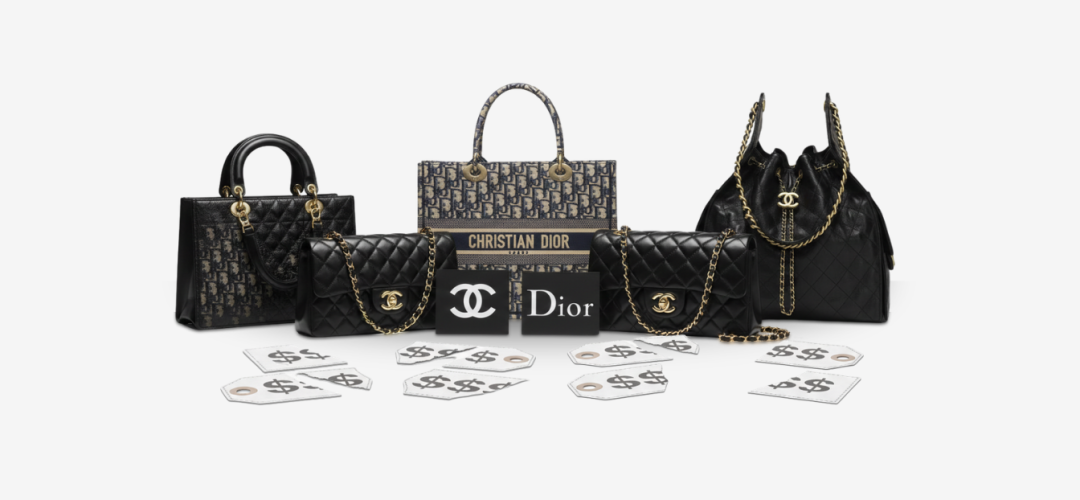
In the exuberant rebound that followed the pandemic, luxury houses found themselves operating in an environment of rare pricing power, where demand was buoyant, supply constrained, and consumers unusually tolerant of steep increases that might once have provoked hesitation and according to a 2024 analysis by Bernstein, between 2020 and 2023 average price hikes across the sector reached 36 percent, with Dior raising prices by 51 percent and Chanel by 59 percent over that period, reinforcing their ambition to consolidate positioning at the highest end of the market. For a time, the strategy appeared unassailable, as revenue climbed and exclusivity sharpened, lending credibility to the notion that luxury had permanently reset to a higher tier.
Yet as macroeconomic conditions tightened throughout 2023 and 2024 and consumer confidence wavered, the aftereffects of that aggressive elevation began to surface. Bain & Company, in its Luxury Goods Worldwide Market Study published in late 2024, estimated that more than 50 million aspirational shoppers had stepped away from the category in recent years, a contraction that reverberates far beyond quarterly results. These are not marginal buyers; they are the young professionals, upwardly mobile consumers, and first-time clients whose purchases may begin modestly but whose long-term loyalty often sustains the pyramid beneath its most affluent clientele. Their retreat signals not merely a cyclical slowdown but a structural tension within the industry’s growth model.
When Price Outpaces Perception
Luxury has always relied on emotion rather than utility, on symbolism rather than necessity, and its pricing power ultimately rests on the belief that what it offers transcends function. However, when price increases accumulate faster than visible innovation, cultural resonance, or craftsmanship storytelling, even the most devoted consumer begins to scrutinize the equation. The issue, therefore, is not simply that prices rose; it is that for many aspirational buyers, the perceived relationship between cost and meaning began to blur.
For these consumers, value for money is not synonymous with affordability in the conventional sense, but with justification. They are willing to stretch financially when the purchase feels like a milestone, a statement, or a tangible connection to heritage and artistry. When that emotional return appears diluted, alternatives proliferate, from premium contemporary brands that narrow the quality gap to resale platforms that promise access at a lower threshold. In this environment, aspiration does not disappear, but it migrates.
Dior and Chanel have recognized that the debate surrounding luxury’s pricing “problem” obscures a more nuanced reality: the industry’s challenge lies in restoring conviction. If elevation is to endure, it must be accompanied by storytelling, transparency, and craftsmanship narratives that make the premium feel inevitable rather than opportunistic.
Rebuilding the Entry Door
Rather than reversing course through overt discounting or lowering flagship prices, both houses have chosen a subtler, arguably more strategic adjustment: refining their pricing architecture and product mix to reintroduce accessible touchpoints without compromising their highest tiers. The renewed emphasis on small leather goods, playful charms, beauty-adjacent accessories, and whimsical collectibles reflects an understanding that the dream must remain visible, even if the ultimate icons remain out of reach for many.
These so-called “little luxuries” serve as emotional anchors within the brand universe, allowing consumers to participate in the narrative with a lower financial commitment while preserving the aura surrounding headline products. Crucially, they are not presented as diluted versions of prestige, but as desirable objects in their own right, imbued with creativity and storytelling that reinforce rather than undermine the maison’s identity. In doing so, Dior and Chanel are not cheapening their image; they are expanding the points of symbolic entry.
The psychological effect is significant, particularly in an era defined by economic uncertainty. Consumers who hesitate before a major handbag purchase may still indulge in a silk accessory or a small leather good, satisfying the desire for status and pleasure without triggering financial anxiety. Even for those who ultimately invest in higher-ticket items, the presence of accessible pieces reinforces the sense that the brand acknowledges different life stages and income brackets, thereby strengthening loyalty across the spectrum.
Protecting Prestige While Repairing Volume
The strategic challenge facing the industry is to rebuild volume without eroding exclusivity, a balancing act that demands both restraint and imagination. Luxury’s power derives from scarcity and elevation. Yet, its growth has historically depended on a broad aspirational base that fuels cultural visibility, social media momentum, and, over time, progression into higher spending tiers. A pyramid that narrows too sharply at the bottom risks becoming structurally unstable.
By maintaining elevated prices on hero products while broadening the ecosystem of entry-level offerings, Dior and Chanel appear to be repairing the middle of the market rather than dismantling the top. At the same time, both houses continue to invest in manufacturing, craftsmanship, and heritage storytelling, reinforcing the narrative that their premium positioning is rooted in substance. In effect, they are attempting to align price, perception, and participation, ensuring that exclusivity remains intact while aspiration is restored.
The Future of Aspiration
The post-pandemic era will likely be remembered as a period when luxury tested the upper boundaries of consumer tolerance, discovering both the power and the limits of aggressive elevation. The current moment, by contrast, is defined by recalibration, as brands confront the reality that aspiration cannot be taken for granted. If more than 50 million shoppers have stepped away, the task ahead is not simply to lure them back, but to rebuild the emotional bridge that once connected price to promise.
Dior and Chanel’s response suggests that luxury’s enduring strength lies not in its ability to charge more, but in its capacity to make consumers believe that what they are buying remains worth the sacrifice. Exclusivity may create desire, but aspiration sustains growth, and in an industry where symbolism drives economics, the restoration of that delicate balance may determine who thrives in the next cycle.