
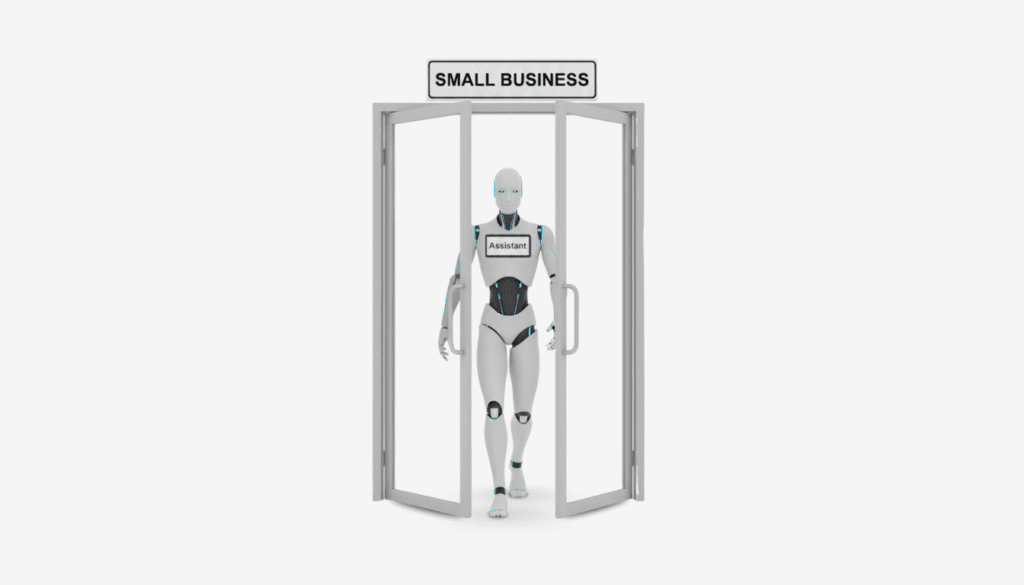
In the race to modernize retail, small brands have always faced a structural disadvantage. Lean teams, limited budgets, and unpredictable demand cycles often translate into a constant game of operational catch-up. Yet as artificial intelligence becomes embedded inside commerce platforms, planning tools, and marketing systems, a quiet shift is unfolding. Startups once skeptical of automation are now treating AI as a back-office powerhouse that helps them operate with the discipline and precision of companies ten times their size, while deliberately preserving creative decision-making as a human domain.
AI Moves Into the Operations Department
AI’s rise in small retail has been less a story of flashy creative experiments and more a story of practical transformation. Embedded assistants within platforms like Shopify are now handling forecasting, replenishment, and profitability analysis with a level of sophistication previously out of reach for small operators. The technology now sits inside the tools founders already use, crunching data in the background and surfacing insights that would once have required an analyst or a dedicated planning team.
This shift is especially pronounced in inventory management and demand forecasting, which have long been the Achilles’ heel of emerging brands. Predictive models analyze seasonality, product velocity, color and size patterns, and even localized sales behaviors to estimate how deep a brand should go on each SKU. Instead of intuition guiding buy decisions for the next drop, founders now receive quant-backed recommendations, allowing them to avoid costly overstocks and the frantic markdown cycles that often threaten cash flow. For businesses that rely heavily on capsules, limited runs, and rapid iteration, these operational efficiencies are becoming indispensable.
The Economics of Efficiency
What makes AI particularly attractive to small brands is its ability to strengthen margins without requiring significant upfront investment. Off-the-shelf tools have become affordable and accessible, making advanced forecasting, profit analytics, and automated replenishment available to operators who would never have considered enterprise technology. This democratization has created a flywheel where better planning leads to healthier margins, which then finance better creative, stronger campaigns, and more calculated risks.
And the adoption curve is accelerating. Surveys show a rapid increase in small-business AI use for tasks such as inventory management, customer support, and marketing workflow automation. Not because it’s trendy—but because it alleviates the repetitive, number-heavy responsibilities that strain small teams. By reframing AI as an operational ally, these brands are building infrastructure that scales without compromising agility.
A Firm Boundary Around Creativity
Yet the same founders who hand AI the keys to their inventory systems are often reluctant to let it near their creative output. The hesitation is not rooted in fear of innovation, but in a clear understanding of what differentiates a small brand in a crowded market. Creativity, for these companies, isn’t a decorative layer; it’s the business model.
As generative tools become more accessible, feeds risk converging into the same visual and narrative aesthetic. Many founders worry that relying heavily on AI-generated content could dilute their distinctive identity—the very element that wins consumer loyalty and drives earned growth. Authenticity remains a premium currency, especially among audiences who value transparency and originality. Even brands open to AI mockups, variation drafts, or product description rewrites tend to draw a line at campaigns, brand storytelling, and artistic direction.
This cautious approach reflects a broader cultural shift. Consumers are increasingly aware when content is AI-generated. While they welcome efficiency in customer service or shopping assistance, they expect a human pulse behind the stories they connect with. Hence, the hybrid creative model: AI assists with speed and scale, but humans still define vision, texture, and meaning.
When AI Clears the Path for Better Marketing
What emerges is a compelling new business philosophy: AI handles the operational noise so humans can focus on the parts of the business that truly build a brand. With planning and inventory stabilized by automation, founders can dedicate more time to thoughtful storytelling, allocate more budget to polished campaigns, and invest more energy in community engagement. Instead of being stuck in logistical firefighting, they can once again operate like creative companies.
This rebalancing reshapes the brand journey. A more predictable supply chain supports bolder product launches. Smarter profitability analytics allow founders to scale their top-performing categories with confidence. And AI-optimized workflows free up bandwidth for the ideas and aesthetics that differentiate one label from another in a crowded market.
The result is not a future where small brands look and sound like machines, but one where they operate with machine-level precision while remaining unmistakably human in expression.
As AI continues its march into the retail ecosystem, the smartest small brands are not resisting the technology; they’re redefining the terms of adoption. The back office becomes automated, the brand identity remains protected, and the creative soul stays intact. In an era where efficiency is critical, but authenticity sells, that balance may be the most powerful competitive advantage of all.