
When Discovery Ends Before the Click
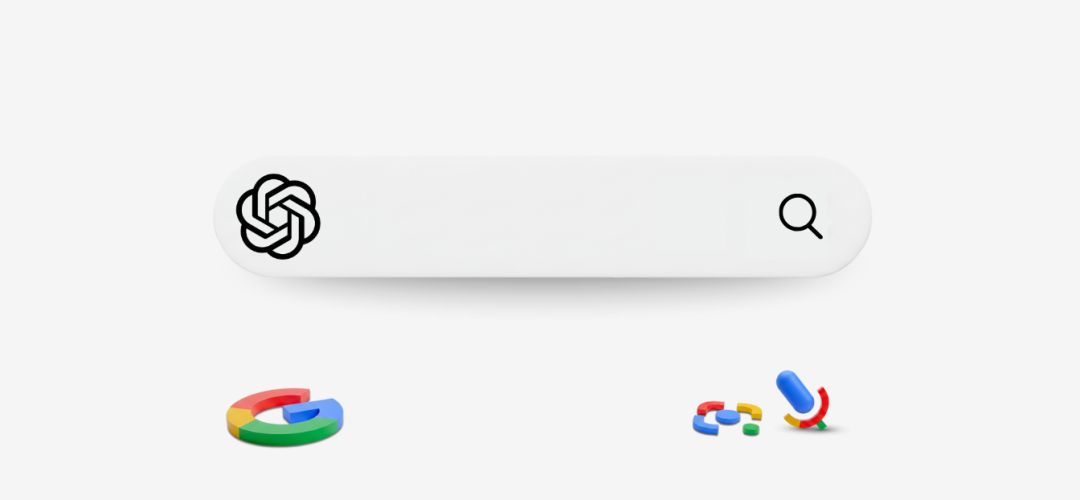
The speed of AI adoption has rewritten the rules of visibility faster than most brands anticipated. ChatGPT, now the fastest-growing app in history with roughly 700 million users worldwide, has normalized a new behavior: people increasingly begin and end their search journeys inside AI interfaces. Instead of navigating links, users accept AI-generated overviews and chatbot responses as sufficient answers. Discovery no longer unfolds across pages; it concludes in a single exchange. As industry observers have noted, the strategic focus is shifting away from ranking pages and toward building authoritative brand narratives that can survive and surface inside zero-click environments. Acting on this shift means treating clarity, consistency, and authority as discoverability assets, not just brand values.
Why Paid Reach No Longer Guarantees Visibility
As AI systems synthesize information rather than present options, the traditional pay-to-play logic of visibility begins to fail. Inside AI-generated answers, earned media dominates. Studies show that the vast majority of brand visibility in AI responses is driven by earned content, while paid material is deprioritized. This has elevated journalism and editorial credibility into core infrastructure for AI discovery. Major publications such as The Guardian, The Washington Post, and Condé Nast have entered data and licensing agreements with OpenAI, making their reporting and archives directly available to AI systems. At the same time, the New York Times has pursued legal action over AI usage while also signing a separate licensing deal with Amazon, highlighting the tension and value embedded in trusted content. For brands, the implication is that authority cannot be bought at the moment of query. It must be accumulated over time through credible coverage, expert positioning, and narratives that AI systems recognize as reliable reference points.
The Trust Shift No One Can Ignore
Perhaps the most destabilizing element of this transformation is trust. Despite growing public awareness of misinformation and outdated results, studies increasingly suggest that Gen Z users trust AI-generated answers more than traditional Google searches. AI feels decisive, conversational, and efficient. This trust reshapes outcomes. Traffic from large language models converts at dramatically higher rates than traffic from conventional search, with some analyses suggesting conversion rates up to 7 times higher. The reason is simple that AI pre-qualifies them. By the time someone reaches a brand through an AI recommendation, the evaluation phase has already largely occurred. Acting on this insight requires brands to rethink conversion. Experiences must be built for users who arrive ready to act, not browse, with immediate clarity on value, pricing, and relevance.
The Risk of Being Misrepresented at Scale
Yet the same trust that amplifies opportunity also magnifies risk. AI systems can confidently deliver information that is incomplete, outdated, or simply wrong. When users rarely click to verify, misinformation becomes sticky and difficult to correct. A mischaracterized brand narrative, an outdated product description, or an inaccurate comparison can propagate quietly across millions of interactions. In a zero-click world, errors do not trigger bounce rates; they trigger invisibility or misalignment. Acting defensively means investing in factual resilience. Brands must maintain clean, current, and unambiguous information across owned channels and ensure alignment between how they describe themselves and how they are described elsewhere. Monitoring AI outputs becomes as critical as monitoring search rankings once was.
How Brands Stay Relevant When Machines Decide First
Taken together, these shifts point to a fundamental reordering of influence. Zero-click AI changes where decisions are made; in addition, earned media reshapes how authority is constructed. Rising trust increases the stakes of inclusion, while misinformation raises the cost of ambiguity, and the brands that succeed will not be those that chase AI tactics, but those that deliberately shape how they are learned, summarized, and recommended by machines. Visibility is more than ever a reputation embedded in the model’s understanding of the world. And increasingly, that understanding determines who gets seen at all.