
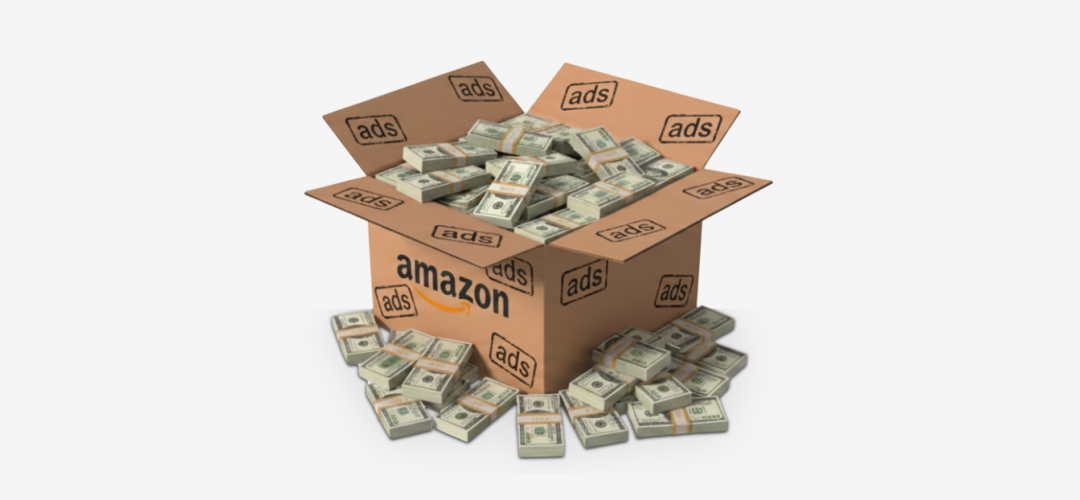
Beneath the headlines about cloud computing and Prime deliveries, Amazon’s advertising business is quietly rewriting the economics of digital marketing. In the past year, its ad revenue climbed 22% year over year to reach $15.7 billion, a pace few sectors can match amid global economic caution. The performance was strong enough to offset pressures from rising infrastructure spending and regulatory costs, which dampened the company’s third-quarter operating income outlook.
This surge represents a structural shift in how Amazon defines itself. What began as a commerce platform has matured into a sophisticated media network that monetizes attention, intent, and data with remarkable precision. While e-commerce and cloud services remain core, advertising is increasingly the engine that fuels profitability and investor confidence.
Why Amazon Ads Are Growing So Fast
The foundation of Amazon’s ad growth lies in something every marketer covets: purchase intent. Unlike social or search platforms that capture interest, Amazon reaches users already poised to buy. Every search, scroll, and add-to-cart moment becomes a signal that feeds one of the richest datasets in the digital world.
As privacy regulations tighten and third-party cookies fade, advertisers are shifting budgets toward “retail media networks” like Amazon that can connect ad impressions directly to conversions. Brands no longer have to guess whether an ad worked, as they can see sales happen in real time. That precision, combined with the trust consumers place in the platform, has made Amazon indispensable to performance marketers and brand strategists alike.
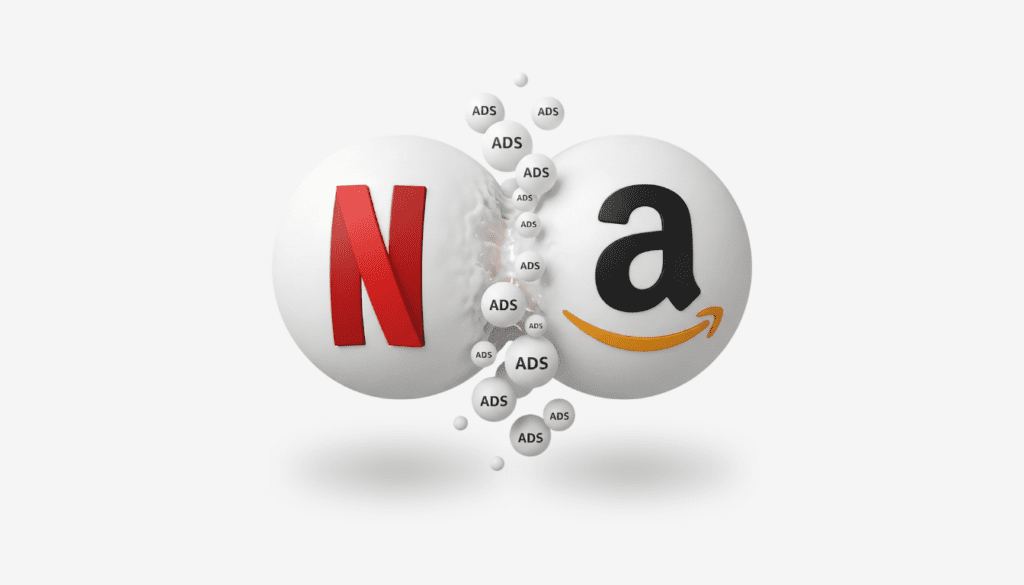
Another reason for the boom is diversification. Amazon has moved beyond sponsored product listings to a full suite of display, video, and streaming ads across its ecosystem, including spanning Twitch, Fire TV, Freevee, and even third-party websites through its demand-side platform (DSP). The expansion turns Amazon into a full-funnel advertising player, competing directly with Meta and Google for both awareness and conversion budgets.
The Brand Advantage
For brands, Amazon offers something digital advertising has long struggled to deliver—clarity. With access to first-party data and measurable outcomes, advertisers can trace every dollar spent to a purchase, review, or repeat visit. The result is a high-ROI environment that seamlessly blends commerce and storytelling.
Unlike traditional digital campaigns, Amazon’s model allows brands to act within the consumer’s purchase flow. A beauty label can promote a serum as shoppers browse skincare pages, while an electronics brand can retarget users who viewed a competing model. The platform’s AI tools further personalize these experiences, optimizing bids and creatives dynamically based on performance.
Even brands that don’t sell directly on Amazon are finding opportunities through its DSP, which extends reach across the open web while maintaining access to Amazon’s powerful audience data. That shift opens the door for non-endemic advertisers —from automakers to streaming platforms —to tap into the platform’s commerce insights without needing a storefront.
Inside the New Ad Operating System
Behind the growth lies an increasingly sophisticated infrastructure. Amazon has invested heavily in machine learning, data clean rooms, and its Marketing Cloud, tools that enable advertisers to analyze cross-channel performance while maintaining compliance with privacy regulations. Campaigns can now span voice, video, and display, optimized through automated bidding systems that continuously refine based on engagement and sales data.
For marketers, operating within this ecosystem means thinking more like retailers than advertisers. Success requires aligning creative messaging, product visibility, and conversion design into one integrated loop. It’s not about reaching users everywhere; it’s about reaching them at the exact moment they’re ready to act.
Agencies and independent strategists are building entire service lines around this logic, helping clients navigate Amazon’s DSP, optimize product pages, and translate ad performance into brand equity. The companies that master this interplay between intent and storytelling are finding themselves ahead of the curve in the evolving digital landscape.