
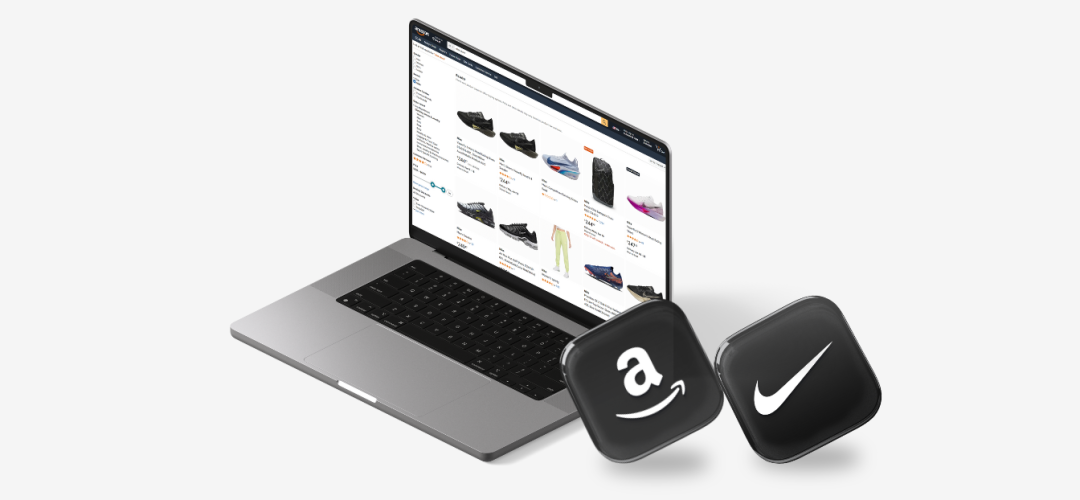
In a move that’s stirring headlines across the retail and e-commerce sectors, Nike announced in May 2025 that it would once again sell its products directly on Amazon’s U.S. marketplace. This would end a five-year absence marked by tensions over brand control, counterfeit goods, and a bold push into direct-to-consumer (DTC) strategy.
Why Nike Left—and Why It’s Back
Nike famously left Amazon in November 2019, citing frustration with Amazon’s inability to rein in third-party counterfeits and a desire to sharpen its own direct sales model. At the time, Nike executives saw greater potential in owning the full customer journey—online and offline—without platform intermediaries diluting the brand experience.
Fast forward to 2025, and the landscape looks markedly different. In Q3 2024, Nike reported a 9% drop in revenue, prompting a rethink of its distribution priorities under newly reinstated CEO Elliot Hill. With global DTC gains plateauing, particularly in regions like China and the Middle East, Nike needed a jolt in reach. Amazon, with its scale and logistics prowess, was the obvious answer. According to an official statement, Nike is investing in a hybrid marketplace model that includes partnerships with Amazon, luxury retailers like Printemps, and AI-powered online experiences across its platforms.
Amazon, for its part, has stepped up its brand protection game, implementing new tools to detect counterfeit listings and extending grace periods for small sellers whose inventory overlaps with Nike’s. These efforts helped remove the original sticking points that drove Nike away and opened the door for a renewed relationship.
Tariffs Trigger Strategic Increases
Nike’s Amazon return comes as the company also faces growing cost pressures. In response to escalating U.S. tariffs on imports from China and Vietnam—where a significant portion of its products are manufactured—Nike is implementing a targeted price increase. Footwear priced between $100 and $150 will rise by $5, while shoes over $150 will increase by $10. Apparel and equipment will see hikes between $2 and $10. Crucially, high-volume items such as Air Force 1 sneakers and children’s products are exempt.
While Nike frames the changes as “seasonal planning,” market analysts view this as a textbook case of tariff cost-buffering. The tiered approach allows Nike to maintain affordability for its core customer base while shifting added costs onto higher-end products, minimizing the risk of backlash and protecting its premium brand image.
Platform Power vs. Brand Control
Nike’s five-year detour into DTC-first strategy was bold but imperfect. The promise of tighter brand control and better margins met the realities of rising logistics costs, uneven regional growth, and scale limits outside of platform partnerships. Amazon’s infrastructure with fulfillment, customer service, and embedded shopper base remains unrivaled.
This reunion signals a recalibrated strategy: blend Amazon’s reach with Nike’s brand curation of its own channels. It’s less about surrendering control and more about optimizing distribution in a fragmented market. Including traditional wholesale partners like Macy’s and Foot Locker further indicates a diversified channel approach by spreading risk while regaining shelf space and visibility in physical retail.
More Than a Sales Bump
Nike’s move has broad implications beyond quarterly earnings. The decision underscores investors’ willingness to adapt and iterate in the face of economic pressure. For Amazon, securing a flagship brand like Nike strengthens its apparel credibility and challenges competitors like Walmart and Target in the lifestyle space.
The outcome for consumers is mixed. Authentic Nike products will become easier to find on Amazon, but some may come at a slightly higher cost. That said, Nike’s decision to shield popular and entry-level products from price increases is a savvy play to retain loyalty and accessibility, especially among price-sensitive demographics like families and younger consumers.
Evolution, Not Retreat
Nike’s return to Amazon is not a retreat from DTC; it’s an evolution of it. The brand’s core strategy revolves around direct engagement, data-driven personalization, and digital innovation. But now, it’s clear that full control must be balanced with flexibility. A hybrid approach with DTC for experience and Amazon for reach may be the new gold standard.
Nike is willing to pivot in a volatile economic environment defined by tariffs, shifting consumer behavior, and rising operational costs.