
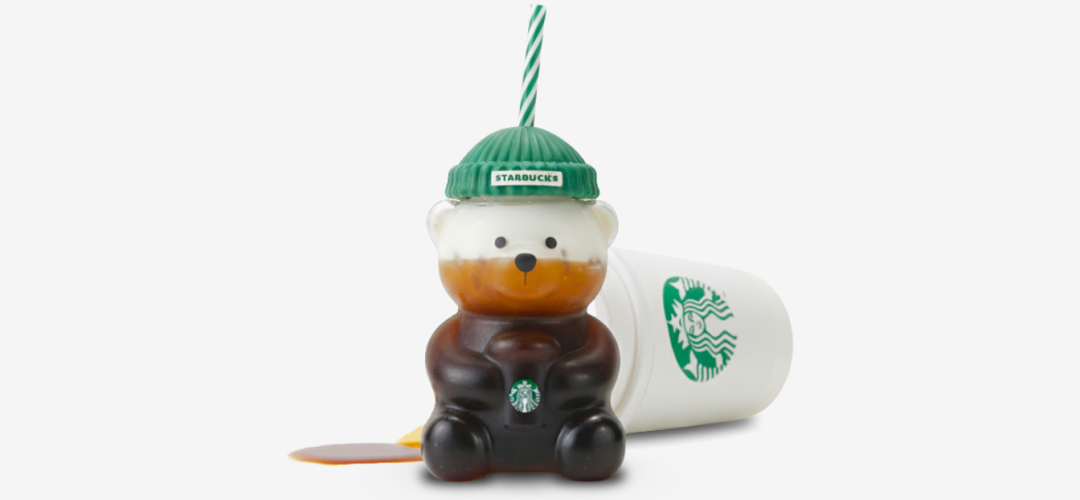
Every holiday season, Starbucks teaches a masterclass in ritual. Red cups arrive, festive menus return, and customers fold a stop for coffee into the rhythm of the year. This time, though, one item in the lineup broke out of the cozy script. A limited-edition Glass Bearista Cold Cup, shaped like a teddy bear in a green beanie, moved from cute seasonal merch to cultural flashpoint in a matter of hours.
What began as a $30 glass cold cup quickly became the center of viral videos showing customers lining up before dawn, rushing through store doors at opening, and, in at least one case, physically fighting over the few units available. Shelves emptied almost as soon as stores opened. Fans who arrived after work or casually dropped by for their usual latte found nothing, except sometimes an apologetic barista and a growing sense that the game had been rigged in someone else’s favor.
In the days that followed, the Bearista cup became a symbol. For some, it represented cheerful collectability and brand devotion. For others, it became shorthand for everything exhausting about modern consumer culture, where a simple purchase turns into a high-stress competition.
How Scarcity Turned Cute into Combative
Scarcity has long been a tool in the marketer’s playbook. Make something limited, and you heighten desire. In this case, however, the scarcity felt less like a clever brand tactic and more like a structural flaw. Some stores reportedly received only a handful of units, in some cases as few as 2 cups. That meant that a queue of 20 or 30 people at opening time was mathematically destined to end in disappointment for most of them.
Layered on top was a perception of unfairness. Social posts alleged that certain employees bought up inventory before customers arrived, or that friends and insiders were tipped off in advance. Whether or not those claims were widespread reality, the impression was powerful. To the average customer who showed up after seeing the cup on social media, the story was simple: demand was sky-high, supply was tiny, and the playing field did not feel level.
In this environment, the mood shifted from festive to combative. People ran, grabbed, and defended armfuls of cups as if they were scarce essentials rather than decorative drinkware. The same emotional energy brands usually channel into fandom and delight was redirected into frustration and, at times, outright anger.
When Fans Become Flippers
The story did not end in the stores. Almost immediately, Bearista cups appeared on resale platforms, listed at several times their original price. A $29.95 holiday novelty was framed as a mini-asset, with some listings stretching into the hundreds and even approaching four-figure territory.
That resale spike is not accidental; it is the logical result of years of drop culture training consumers to see limited products as opportunities, not just indulgences. Sneaker releases, streetwear collaborations, and exclusive makeup drops have all normalized the idea that buying early and in bulk can directly translate into profit.
For Starbucks, this dynamic cuts both ways. On the one hand, sky-high resale prices and bidding wars signal that the brand’s cultural cachet is strong. A cup that people are willing to fight for is, in some sense, a marketer’s dream. On the other hand, every Bearista listing at 10x retail is a visual reminder to ordinary customers that the system favors flippers over fans. A person who wants a cute holiday cup for their iced coffee is competing against resellers who treat the item like inventory.
Over time, that imbalance can corrode loyalty. If customers begin to feel that every “special drop” is a losing game designed to generate buzz and headlines rather than genuine access, they may opt out entirely—not just from the merch, but from the brand’s narrative.
A Mass Brand Playing the Drop Culture Game
The Bearista saga highlights a strategic tension at the heart of Starbucks’ positioning. The company is, by design, a mass brand. It builds its business on ubiquity: countless locations, highly standardized experiences, and the idea that you can find your familiar drink almost anywhere you travel.
Yet the Bearista cup borrows directly from a different playbook —one built on exclusivity, limited runs, and early access. That drop culture model thrives on friction. It expects people to line up, sign up, refresh apps, and move fast. It works when the underlying product is truly niche, produced in small runs, and when the brand is comfortable with the idea that most people will never own it.
For a coffee chain that still needs to serve millions of customers every day, the risk is clear. Push too far into scarcity, and you risk undermining the everyday promise of accessibility that made the brand successful in the first place. Customers who walk into a Starbucks expect the core offer — drinks, food, and a certain kind of atmosphere — to be available without drama. When a promotion turns that visit into a scramble or a disappointment, the holiday magic gives way to fatigue.
Starbucks’ public apology, acknowledging that demand exceeded expectations and expressing regret for the shortage, suggests an awareness of that misalignment. Yet it also raises a sharper question: in an era where social media can turbocharge hype overnight, can a brand safely dabble in hyper-limited drops without a robust plan for fairness and inventory?
Lessons from a Glass Bear
Behind the chaotic footage and angry posts, the Bearista episode offers a few clear lessons for any brand tempted by the allure of engineered scarcity.
First, hype is no longer something brands fully control. Once a product leaks or previews circulate online, the demand curve can steepen faster than internal forecasts can keep up. That makes conservative allocations risky. If a product is positioned as a hero item in marketing, fans will treat it like one. Inventory must match that narrative, or the backlash will.
Second, perceived fairness is just as important as actual quantity. Clear rules around purchase limits, transparent communication about stock, and guardrails on employee access can make the difference between a spirited scramble and an outright revolt. Customers will accept that not everyone can get a limited item; they are less forgiving when they feel the game is stacked against them from the start.
Third, brands need to decide whether they are truly comfortable with the implications of resale culture. If a product is designed to be a feel-good collectible and ends up functioning as a speculative object, that changes how people experience the brand. A little bit of resale energy can be flattering. Too much, and it begins to overshadow the original intent.
Ultimately, the Bearista cup is a small object carrying an outsized story. It shows how quickly a charming seasonal idea can morph into a headline about brawls and outrage when scarcity, social media, and fandom collide. For Starbucks, it is an uncomfortable reminder that in the age of drops, even a holiday cup needs a strategy.