
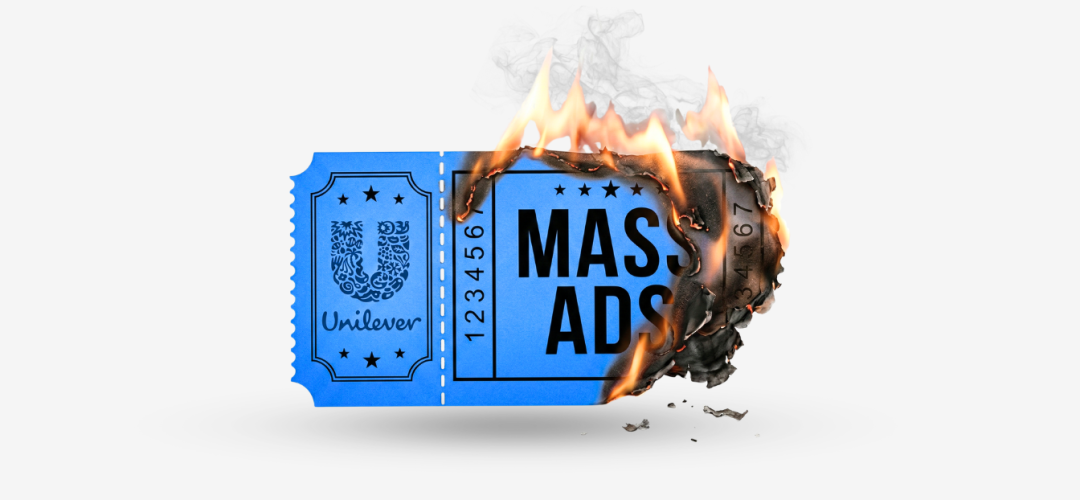
A CEO Declares an Era Over
When the chief executive of one of the world’s largest consumer goods companies announces that “the times of big corporate big brand messages are gone,” it is a philosophical repositioning of how brands should grow. Speaking at the Consumer Analyst Group of New York conference, Unilever CEO Fernando Fernandez outlined a decisive pivot toward what he described as a “social-first demand model,” arguing that an expansive army of creators would increasingly replace the traditional advertising formats that built Unilever’s global franchises over the past half century.
The declaration was remarkable not only for its ambition but for its authorship. CEOs who oversee operations spanning 190 countries and more than 400 brands typically resist categorical pronouncements about marketing formats, preferring strategic ambiguity over tactical absolutism. Yet Fernandez’s framing left little room for nuance, effectively elevating a channel shift into a corporate doctrine.
Billions Still Flow Through the System
Despite the rhetoric, Unilever has not withdrawn from brand investment. The company continues to allocate roughly 16 percent of revenue to brand and marketing support, a figure that translates into billions of dollars deployed across global campaigns, media placements, and activation. The shift underway is therefore not a retreat from advertising but a redistribution within it, moving a greater proportion of spend toward creators and influencers and positioning social ecosystems at the center of demand generation.
Even so, the company’s own actions reveal a more layered reality. In the same cycle of communications, Unilever highlighted its sponsorship of the 2026 FIFA World Cup as a meaningful contributor to performance. Such a partnership represents the very essence of mass communication: simultaneous global exposure, cultural centrality, and shared visibility. It underscores a tension between a bold narrative about the decline of corporate brand messaging and a continued reliance on the broad reach that large-scale events uniquely deliver.
The Seduction of the Creator Economy
The appeal of the pivot is understandable. Consumers increasingly distrust overt corporate messaging while responding more readily to voices that feel authentic and peer-led. Algorithms reward frequency and relevance, and creator ecosystems offer speed, localization, and cultural fluency at a scale traditional production cycles struggle to match. In categories such as skincare and personal care, where demonstration and testimonial are powerful levers, influencer networks have delivered tangible growth, reinforcing the belief that creator-led communication can drive both engagement and volume.
For a company seeking faster momentum across fragmented markets, a distributed, always-on content engine is compelling. Creators can operate as micro-media outlets, embedding brands in daily digital routines rather than episodic campaign bursts. Compared with the slower cadence of broadcast-led models, the creator economy feels immediate, dynamic, and commercially responsive. Yet what feels dynamic is not automatically sufficient.
Reach, Penetration, and the Limits of Intimacy
The central strategic question is not whether creators work, but whether they can substitute for the scale effects of mass reach across a portfolio of this magnitude. Brand growth, particularly for large consumer goods companies, depends heavily on penetration among light buyers and nonbuyers. Sustained expansion requires maintaining mental availability at scale, ensuring that brands remain salient even among consumers who are not actively engaged.
Creators excel at deepening relationships within communities that have already signaled interest. They cultivate intimacy and trust, reinforcing preference and social proof. However, algorithmic distribution often concentrates content within affinity clusters, raising doubts about whether such engagement can reliably translate into broad cultural ubiquity. For a digitally native beauty label, this trade-off may be manageable. For a global portfolio that includes condiments, household cleaners, and everyday staples, the stakes are considerably higher.
The Portfolio Lesson Unilever Has Seen Before
Unilever’s history offers a sobering parallel. Under previous leadership, the company advanced a sweeping mandate that every brand articulate a defined social purpose, extending a philosophy that resonated powerfully for some franchises into categories where it proved strained and commercially ambiguous. Over time, the limits of that universal prescription became evident, prompting a recalibration that acknowledged the diversity of roles brands play within a portfolio.
The current creator-first framing risks echoing that earlier overreach if it hardens into ideology rather than remaining a flexible framework. What propels a skincare brand on social media may not translate seamlessly to food or home care. Effective portfolio management requires recognizing that different categories demand different communication hierarchies, rather than imposing a single doctrine across disparate needs.
Doctrine or Design
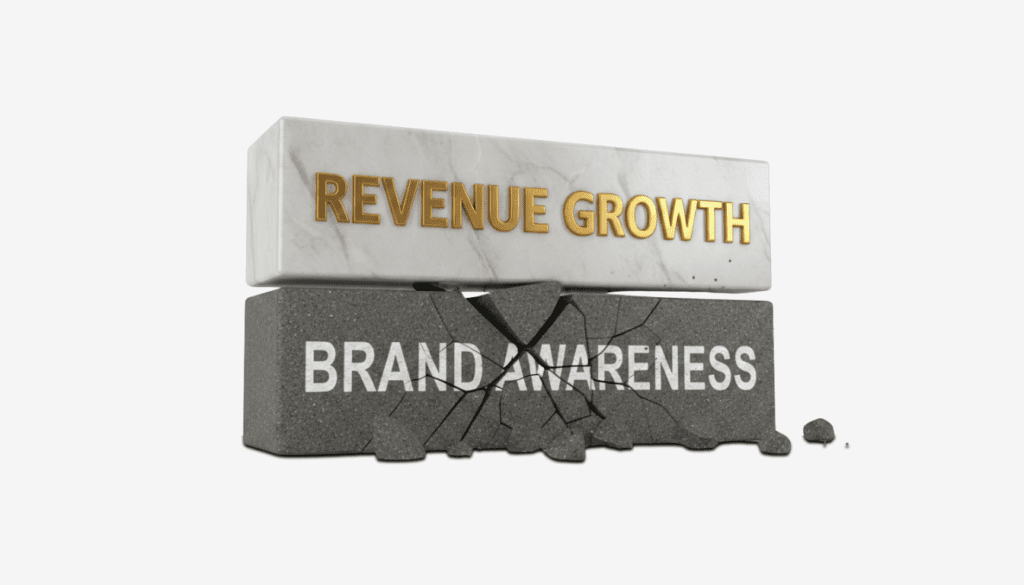
None of this diminishes the urgency of adapting to shifting media realities. Ignoring the gravitational pull of social platforms would be strategically negligent. The risk lies in confusing evolution with eradication, suggesting that the rise of creators signals the obsolescence of mass brand building altogether.
Markets tend to reward integration over absolutism. Creators can amplify, localize, and accelerate demand signals, while broad-reach media can anchor, legitimize, and expand them. The most resilient growth systems combine intimacy with ubiquity, speed with scale. If Unilever translates its rhetoric into a nuanced design system—one that assigns distinct roles to channels based on category and brand maturity—it may unlock the advantages of the creator economy without sacrificing the penetration that underwrites long-term growth.
For now, the company’s bold proclamation has placed mass marketing on trial in the court of investor opinion. The ultimate verdict will not be rendered by conference applause or provocative soundbites, but by whether Unilever’s brands continue to expand their buyer base across markets where scale remains the decisive competitive advantage.