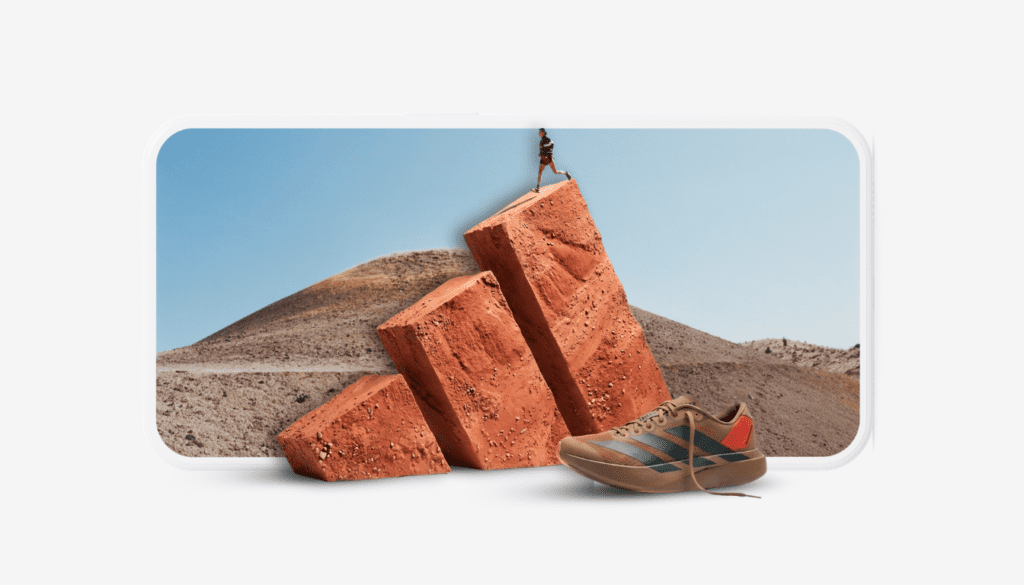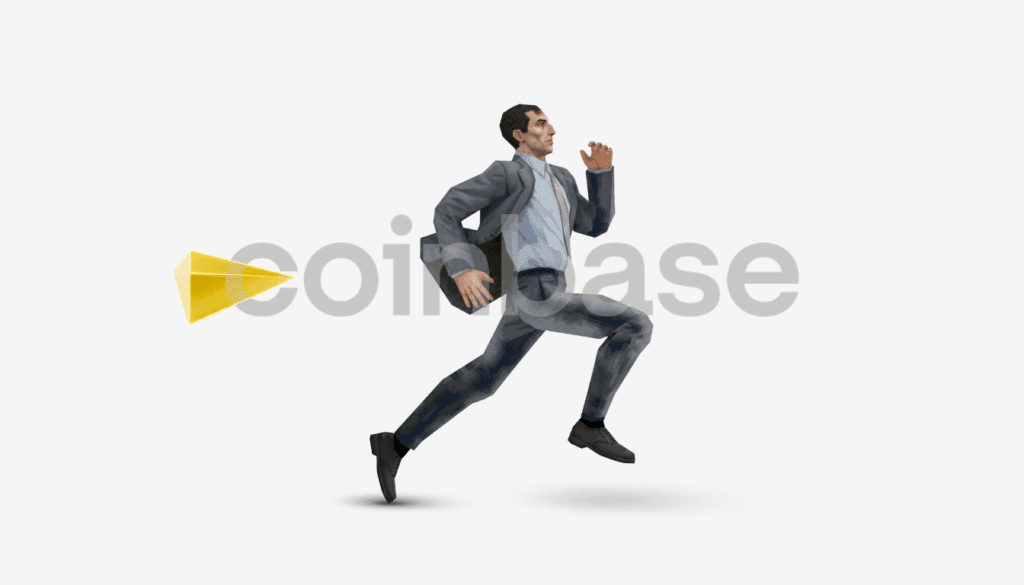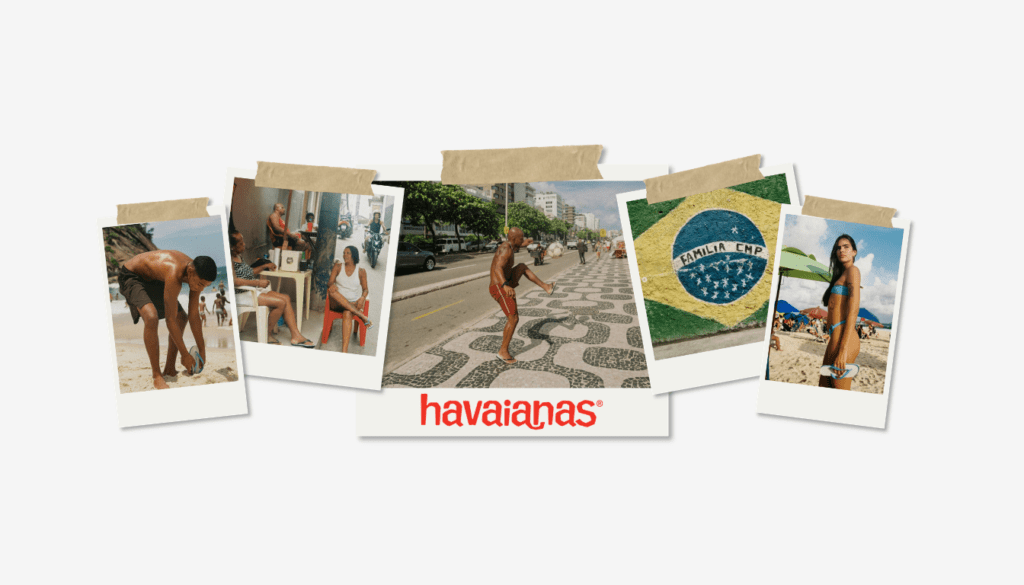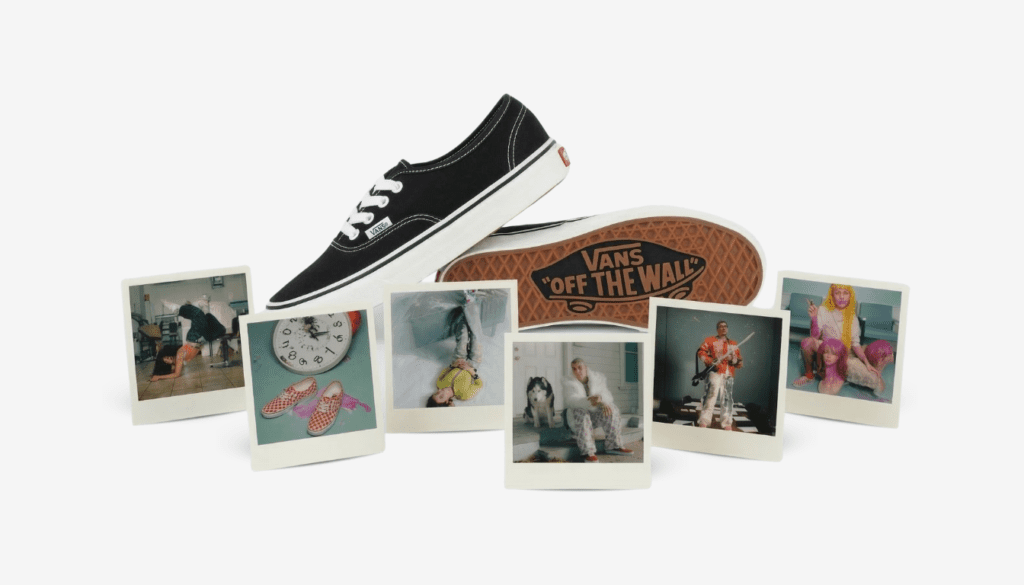

Animation is no longer just a playful aesthetic borrowed from entertainment. In the past year, we have seen many types of animation emerge as one of the most consequential shifts in how brands express identity, communicate emotion, and compete for attention. What once lived at the fringes of digital marketing has moved to the center of strategy, powered by a landscape in which static visuals rarely earn more than a second of consideration. Motion has become the new signature, fluid, adaptable, and capable of turning a brand from an image into a universe.
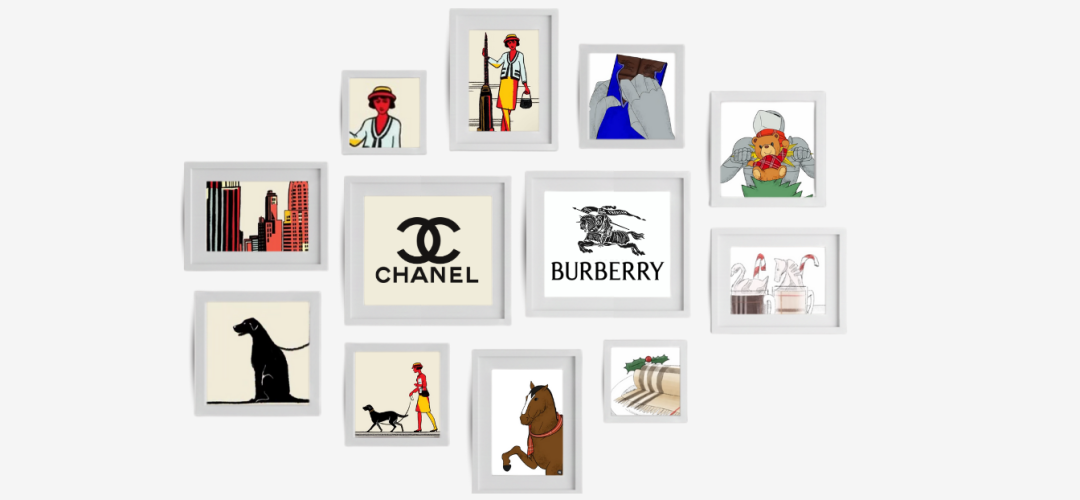
Luxury brands were among the first to test the potential of animation as a storytelling device, using it to modernize their image without sacrificing the aura of exclusivity. For example, Chanel’s illustrated campaigns, which transformed ambassadors into stylized characters, introduced a cinematic intimacy that photography alone could not capture. Burberry’s hand-drawn worlds, textured with pencil strokes and stitched frames, reframed heritage as something alive rather than archived. Each example proved that animation, when linked to a brand’s core codes, could deepen identity rather than dilute it.
The New Visual Language for a Crowded Feed
Nowadays, social platforms have reshaped how stories must be told. In an environment defined by speed and saturation, motion catches the eye before context can even form. A brand that animates its colors, shapes, or typography instantly gains an advantage by becoming recognizable not only for what it shows, but also for how it moves. This is why animation has gained traction across industries far beyond the luxury sector.
Fashion labels use animated textures and silhouettes to introduce collections. Beauty brands turn ingredients and sensations into floating, glowing forms. Financial apps bring warmth to once-sterile interfaces through characters, linework, and playful transitions. Even grocery chains, fitness platforms, and subscription boxes are leaning into short loops and micro-stories that make everyday products feel memorable. The spectrum of adoption reveals the broader truth that animation is becoming the universal language of digital-first identity.
What matters most is not the style, whether hyper-sleek, hand-drawn, painterly, or minimal, but the intent. Animation is powerful when it gives shape to the brand’s emotional world. For instance, a skincare brand can visualize calm through soft gradients and slow fades; a tech company can communicate precision through geometric motion and sharp cuts; and a heritage brand can highlight craftsmanship with grain, texture, and imperfections. Movement becomes meaning.
From Storytelling to World-Building
The rise of animation marks a shift from campaigns to ecosystems. Brands are no longer thinking in isolated posts or seasonal assets; they are designing animated universes that can expand infinitely across formats. A single animated scene can be adapted into a TikTok, a website header, an in-store LED display, an email hero, and a paid ad without losing coherence. In many ways, animation offers the modularity brands have been seeking for years.
This world-building approach also solves a creative challenge that photography struggles to overcome: the need for continuity. Animation allows brands to create avatars, motifs, and motion patterns that recur across seasons. For example, Burberry has turned its iconic check pattern into a living, breathing visual identity. Other brands animate their mascots, product silhouettes, or signature shapes until those elements become unmistakably theirs. Identity stops being a static design manual and becomes a moving language.
The Future Belongs to Brands That Move with Meaning
Animation has crossed a threshold, being a trend with a foundational shift in how modern brands communicate. As AI expands access to motion tools, the brands that will stand out are those using animation not as a shortcut but as a craft. They will be the brands that build emotional resonance through movement, that treat motion as part of their DNA, and that understand animation as a language rather than a format.
In a world drowning in noise, animation offers clarity. In feeds moving at hyper-speed, it offers memorability. And in a market where identity must live everywhere at once, it offers the rare ability to unify everything into a coherent, expressive whole. Motion isn’t just making content move; it’s making brands come alive.