
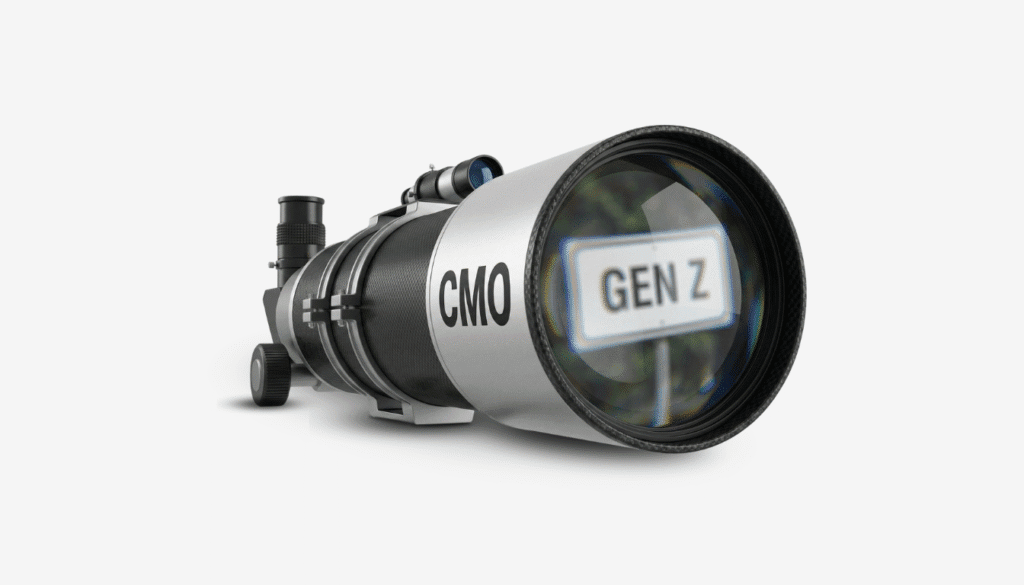
As Gen Z steps into the workforce and consumer market in full force, the generation long treated as cultural outliers is becoming the group shaping the norms the rest of the world will eventually follow. Born between the late 1990s and early 2010s, these young adults represent a cohort raised amid unprecedented shifts, including smartphones becoming extensions of identity, social media becoming the primary search engine, and the pandemic altering how people learn, work, and socialize. This convergence produced a generation that is pragmatic yet idealistic, anxious yet outspoken, extremely online yet craving meaningful connection. For CMOs, the rising influence of Gen Z is less about understanding a new audience than about understanding the market’s future trajectory.
The New Foundation of Trust Is Built on Action, Not Messaging
The defining force behind Gen Z’s behavior is their value system. They prioritize sustainability, inclusivity, and social impact not as optional features of a brand but as foundational proof of credibility. Many grew up watching institutions falter — economic crises, political instability, environmental degradation — and, as a result, they place their trust in action, not promises. Traditional signals of corporate trustworthiness, such as polished customer service or corporate transparency statements, fail to resonate with consumers. Instead, they rally around brands that demonstrate real-world contributions to climate solutions, equality, and ethical production. For CMOs, this shift means aligning marketing with operational truth; messaging cannot compensate for gaps between what a company says and what it actually does.
Creators as Gatekeepers in the Era of Community-Led Discovery
Another major shift is how Gen Z discovers and evaluates products. Search no longer begins with Google but with community-driven platforms like TikTok and Instagram. In these feeds, micro-influencers act as cultural translators, earning trust not through celebrity but through proximity and relatability. Their authority comes from shared values and lived experiences — the sustainability advocate re-wearing outfits, the beauty reviewer dissecting ingredient lists, the student sharing budget tips. For brands, this removes the shortcut of “buying reach” and replaces it with the long game of authentic creator partnerships. A single micro-influencer who is deeply aligned with a cause can move purchase decisions more effectively than a high-reach campaign with generic messaging.
A Life Lived in Blended Realities Reshapes Brand Experiences
However, Gen Z does not live solely in the digital world; they live in what might best be described as a blended reality. Social media, gaming environments, and physical spaces are not separate domains but interconnected ecosystems where identity unfolds simultaneously. Half of Gen Z considers online interactions meaningful substitutes for in-person connection, yet they still value IRL experiences that are thoughtfully integrated into their digital lives. For CMOs, this requires reimagining campaigns as cross-reality narratives. A pop-up is no longer just an event — it becomes content designed for TikTok, a collectible moment shared in a digital community, and a bridge to loyalty programs or virtual drops. The brands winning Gen Z are those treating physical and digital as two sides of the same engagement arc.
Instant Gratification and Personalization Define Brand Relevance
Gen Z’s insistence on instant gratification further reshapes expectations. Growing up on algorithmically tailored feeds, they expect hyper-personalized recommendations, frictionless checkout flows, and rapid customer support. They judge brands not only by quality but by ease — the fewer taps, the better. With rising cost-of-living pressures, they are also highly value-driven: transparent pricing, loyalty perks, and personalized offers matter. CMOs must therefore invest in cross-channel customer journeys, robust first-party data strategies, and social commerce integrations that turn interest into action with minimal friction.
A Workforce Rewriting the Rules of Engagement and Expectation
Yet Gen Z’s influence does not end at the cash register. As employees, they are forcing organizations to rethink the nature of work. Many entered the workforce without the structured learning environments previous generations relied on; they want training, personalized development, and clear learning pathways. Their priorities reflect a desire for balance as much as ambition, meaning growth without burnout, performance without sacrificing mental health. Empathy, once considered a “soft skill,” becomes a managerial necessity. Leaders who dismiss mental health concerns or rely on outdated management norms often face high turnover among their youngest employees.
The Gen Z Blueprint Is Already the Market’s Future
Gen Z also challenges assumptions about recognition and motivation. While older leaders default to bonuses or verbal praise, Gen Z values time — time back, time off, time to reset after intense sprints. They do not equate identity with job titles or long hours; instead, they seek workplaces that align with their values, respect their boundaries, and offer space to grow beyond the rigid corporate structure. This does not signal a lack of commitment but a recalibration of how work fits into life. CMOs, often tasked with shaping employer brand and team culture, must understand these drivers to attract and retain the talent needed for modern marketing organizations.
The arrival of Gen Z represents more than a demographic turning point; it signals a cultural pivot. Their expectations around sustainability, authenticity, learning, and well-being foreshadow the demands future generations will amplify. For CMOs, the opportunity lies in embracing these shifts early, aligning brand purpose with real action, trading broadcast campaigns for community-led storytelling, and building workplace cultures that match the values of the people shaping tomorrow’s consumer behavior. Understanding Gen Z is not just about reaching a new audience; it is about preparing for the next era of business.