

Influencer marketing has been seen as offering brands a remarkably efficient shortcut into digital culture. Instead of building audiences from scratch, companies could partner with creators who had already cultivated loyal communities, inserting their products directly into the feeds, routines, and conversations that defined online life. The model was simple and scalable: a brand would negotiate a sponsored post, provide messaging guidelines, and rely on the creator’s reach to amplify the campaign. For a time, the system seemed to work seamlessly.
As the creator economy has matured, the once-dominant formula now shows its limitations. What seemed revolutionary is increasingly constrained by familiar challenges: audiences are wary of overt promotion, creators resist rigid messaging, and authenticity becomes difficult to maintain when content resembles scripted advertising.
A meaningful transformation is underway across social platforms and brand strategies. While sponsored posts remain, the industry is gradually evolving into a more collaborative and flexible model.
When Audiences Learn the Formula
This shift is partly due to the increasing sophistication of social media audiences, who now easily recognize the signs of sponsored content. What once felt organic often appears staged: products placed deliberately, scripted talking points, and discount codes that highlight the transactional nature of the relationship.
As this pattern repeats across platforms, viewers have become instinctively skeptical of overly promotional content. Overt sponsorship can disrupt the storytelling audiences expect, and even minor signs of inauthenticity can quickly reduce engagement in a fast-paced digital environment.
Platform algorithms have intensified this trend. Social networks now reward content that captures attention and aligns with the creator’s authentic voice, while traditional advertising posts often see less engagement. The more brands control messaging, the more artificial content feels, reducing its effectiveness.
Creators Reclaim the Narrative
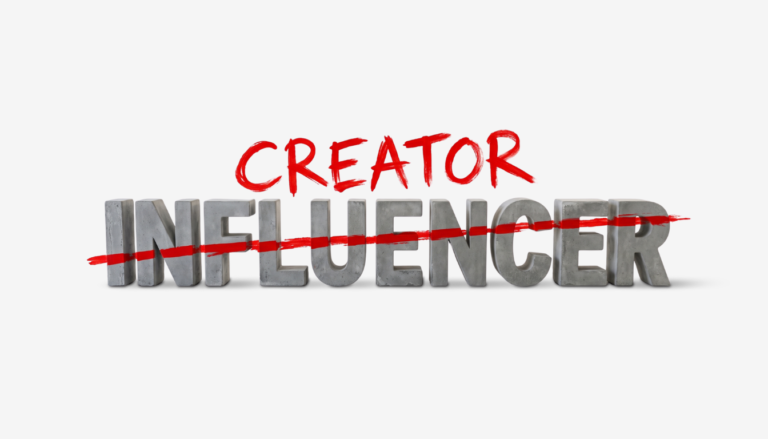
Creators are also redefining their partnerships with brands. Influencers who once accepted scripted collaborations now push back, emphasizing that their value lies in authentic communication with their audiences.
This shift reflects a broader evolution in how creators perceive their role within the media ecosystem. Rather than functioning as advertising inventory, many now see themselves as independent media entrepreneurs with their own editorial voice, cultural perspective, and creative authority. Their influence stems not merely from follower counts but from the trust they have built through consistent storytelling and community engagement.
When brands attempt to impose rigid messaging structures, that trust can erode quickly. As a result, many marketers are discovering that the most effective partnerships emerge when creators are given the freedom to translate a brand’s message into the language and tone that resonates with their communities. Instead of dictating the script, brands increasingly provide a framework—allowing creators to shape the narrative in ways that feel natural to their audience.
This approach makes a significant difference. Content that reflects a creator’s authentic voice feels more like conversation than advertising, blurring the line between promotion and storytelling.
From Campaigns to Relationships
As the industry adapts, brands are moving away from isolated sponsored posts toward longer, integrated collaborations. Instead of one-off campaigns, companies are building sustained partnerships that develop over time.
These relationships allow products to be integrated more naturally into a creator’s life, creating continuity rather than abrupt sponsored messages. Over time, repeated collaborations can transform a brand from an external advertiser into a familiar presence within the creator’s content ecosystem.
For marketers, the benefits go beyond authenticity. Long-term partnerships enable deeper collaboration and give brands access to creators’ insights on cultural trends, audience behavior, and emerging preferences. Creators often spot shifts in taste and sentiment before they appear in traditional research.
As a result, influencer partnerships increasingly resemble strategic alliances rather than simple media transactions.
When Creators Shape the Product
The most notable change is the growing role of creators in shaping both marketing campaigns and products. Brands now invite influencers into early development, recognizing their valuable insights into consumer needs.
Through ongoing dialogue with their communities, creators gain an intuitive understanding of how products fit into daily life, what excites or frustrates audiences, and which cultural signals resonate. Incorporating this perspective helps brands design products and stories that align closely with their target communities.
The result is a model of co-creation in which creators act as both storytellers and collaborators, helping brands translate cultural insight into tangible products and experiences. When these collaborations succeed, the distinction between promotion and participation begins to fade, giving way to a more organic relationship between brand and community.
A New Era of Influence
Together, these developments signal a broader transformation in the creator economy. Influencer marketing is not disappearing, but its underlying logic is evolving.
Earlier, the industry focused on reach and transactional sponsorships. Now, it values authenticity, cultural fluency, and long-term collaboration. Creators are no longer just channels for brand messages; they are partners who help shape how messages are conceived, interpreted, and experienced. Influence cannot be purchased through a single sponsored post, nor can authenticity be manufactured through carefully scripted messaging. Instead, meaningful impact emerges from relationships that respect both the creator’s voice and the audience’s intelligence.
The long, slow death of sponsored content, therefore, does not signal the decline of influencer marketing. Instead, it marks the start of a more sophisticated era in which collaboration, creativity, and trust drive influence.