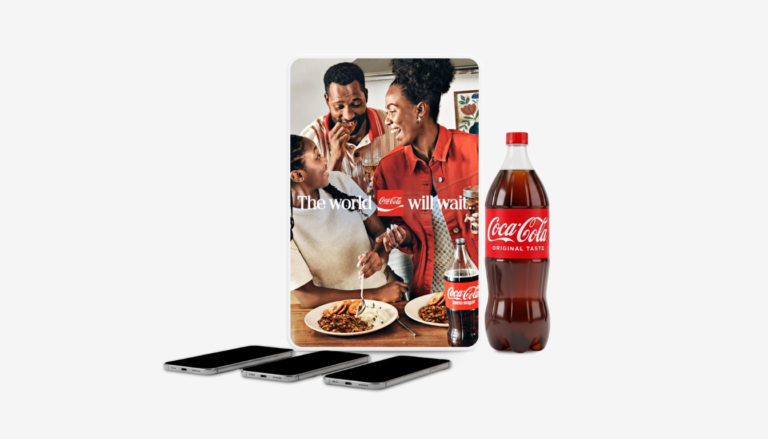

Coca-Cola’s “Global Happiness Project” is one of the brand’s most ambitious campaigns for 2024. It emphasizes spreading joy and positivity worldwide. The initiative is designed to connect with consumers on a deep emotional level, celebrating everyday moments of happiness through a combination of traditional media, digital engagement, and community-driven events. By leveraging a mix of social media challenges, global surveys, and localized messaging, Coca-Cola aims to create a universal message of happiness that resonates with diverse audiences.
A Global Campaign with a Local Touch
The “Global Happiness Project” combines global reach with localized engagement. To ensure the campaign’s message resonates, Coca-Cola conducted surveys to understand what happiness means in different communities worldwide. These insights allow the brand to craft tailored messages that align with local cultural nuances, making the campaign feel personal and relevant in each region. The insight-driven approach has also been crucial in maintaining the campaign’s authenticity while keeping its core message of joy consistent across various markets.
Likewise, to surveys, the campaign features community events that bring the brand closer to local audiences. By hosting activities celebrating everyday joy, Coca-Cola reinforces its brand image as a promoter of positivity and creates real-world connections with consumers. The blend of global and local strategies is essential to the campaign’s broad appeal.
Turning Consumers into Brand Ambassadors
One of the standout strategies of the “Global Happiness Project” is its focus on social media engagement, mainly through user-generated content (UGC). Coca-Cola launched a social media challenge encouraging people to share their happiest moments using campaign-specific hashtags. This approach transforms everyday consumers into brand ambassadors, amplifying Coca-Cola’s message of joy through authentic, personal stories on platforms like Instagram, TikTok, and Facebook.
The brand has effectively leveraged the power of UGC, creating a ripple effect where its message spreads organically through the social networks of its fans. The strategy boosts visibility and fosters a sense of community around the brand, making consumers feel like active participants rather than just observers in the happiness movement.
Blending Traditional Media with Digital Innovation
Coca-Cola’s approach to the “Global Happiness Project” seamlessly integrates traditional advertising with modern digital strategies. While the campaign includes TV and print ads, it relies heavily on digital content and influencer partnerships. This multi-channel approach ensures that Coca-Cola’s message reaches a diverse audience, engaging digital natives and those more accustomed to traditional media.
A critical digital campaign component is introducing a dedicated mobile app to encourage users to participate in happiness-driven activities and share their experiences. The app’s interactive features, such as challenges and rewards, help deepen user engagement, offering a space where the brand’s message can live beyond social media or TV screens. This digital extension allows Coca-Cola to maintain a continuous dialogue with its audience, keeping the spirit of the campaign alive throughout the year.
Building a Legacy of Joy
It’s important to mention that the “Global Happiness Project” aligns with Coca-Cola’s long-standing brand ethos of promoting unity and shared experiences. This campaign is reminiscent of past initiatives like the iconic 1971 “Hilltop” ad, emphasizing global unity through the simple pleasure of sharing a Coke. However, the 2024 campaign adapts this legacy for the digital age, making the theme of happiness more interactive and participatory.
Coca-Cola’s ability to adapt its timeless message to modern platforms is a testament to its commitment to staying relevant while maintaining its core values. By using digital tools to amplify a message that has always been central to its identity, Coca-Cola ensures that its brand remains synonymous with positivity, even as consumer behaviors evolve.
Why the Happiness Project Resonates with Consumers
The success of the “Global Happiness Project” lies in its focus on emotional resonance and community-driven storytelling. By entering the campaign around a universal theme like happiness, Coca-Cola taps into a positive emotion that appeals to a broad audience. This approach is efficient in today’s marketing landscape, where consumers are increasingly drawn to brands prioritizing authenticity and social connection.
Moreover, the campaign’s emphasis on user-generated content makes it highly relatable. Consumers are more likely to trust content from their peers, and Coca-Cola’s strategy of encouraging people to share their experiences with joy makes the brand feel more genuine. This focus on creating an open, inclusive narrative helps build a deeper connection with audiences, strengthening brand loyalty.
Lessons for Brands: Creating Impactful Campaigns
Brands looking to replicate Coca-Cola’s “Global Happiness Project” success can draw several key lessons from its approach. First, focusing on universal themes that resonate broadly while adapting messages to local cultures can create a powerful emotional connection. By understanding regional differences and tailoring content to fit, brands can maintain global consistency while ensuring relevance.
Integrating digital tools like apps or interactive challenges can enhance engagement, turning passive viewers into active participants. By offering platforms where users can share their experiences, brands can build communities around their messages, increasing the campaign’s reach and impact. Lastly, balancing traditional media with digital channels ensures that campaigns remain accessible to a wide range of consumers, from social media users to those who engage more with TV or print media.