
The Hero Film Lost Its Job
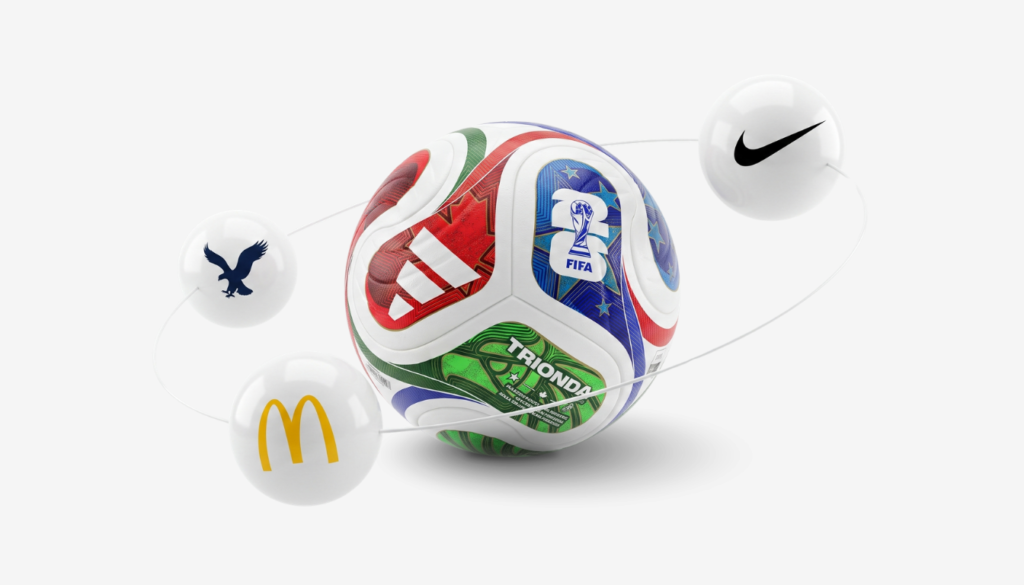
For three decades, the World Cup marketing formula was fixed. A brand commissioned one cinematic film, bought the largest media placements available, and rode the spike. The 2026 tournament broke that pattern across the entire top tier of advertisers. Nike, McDonald’s and American Eagle each built an ecosystem instead of a centerpiece, and Adweek’s creative editors have now identified the shift as a category-wide move toward world-building rather than campaigning.
The logic behind the change is structural rather than aesthetic. A hero film assumes a mass audience arrives at the same moment through the same channel. That audience has fractured into platforms, formats and microcultures that no single asset reaches. A brilliantly made film still peaks fast and decays faster, and the media cost of forcing reach through one asset has climbed while its half-life has shortened.
Nike Distributed the Spike
Nike had more claim to the old formula than anyone, having authored most of it. For 2026 the brand set it aside and built a distributed architecture unfolding across roughly twelve weeks, anchored by a Wieden+Kennedy film featuring more than thirty global stars but designed as the entry point to an expanded football universe rather than the campaign itself.
The rollout opened on May 21 with a series of Polaroid images of athletes, artists and cultural figures, a deliberately low-production format built for immediate circulation on social platforms. What followed was a rolling sequence of product drops, collaborations and community activations, each contributing a chapter. Nike executives described the intent as building many different entry points into the same story, a comparison closer to how Marvel and DC manage a franchise than to how agencies traditionally manage a brief.
The strategic insight is that serial storytelling compounds where a single release decays. Every drop reactivates the audience acquired by the previous one. The campaign accumulates rather than peaks.
McDonald’s Made the Tournament an Occasion
McDonald’s ran its largest marketing effort of the year across more than 110 countries, and it began by killing its own idea. The original concept centered on the field of play, and global chief marketing officer Morgan Flatley scrapped it late in development on the grounds that any brand could have made it.
The replacement premise inverted the sponsorship logic. Rather than taking the brand to the World Cup, McDonald’s brought the World Cup into its restaurants. The execution ran through product and ritual instead of film. A FIFA World Cup 26 Meal, nine collectible cups featuring Beckham, Ronaldinho, Pulisic and other stars, gold-packaged Big Mac sauce, and 23 soccer-themed Squishmallows in the Happy Meal. Flatley has described the shift as moving from polished advertising toward an ecosystem spanning creators, fans and experiences.
Collectible economics did the work that media spend would otherwise have done. Nine designs give a customer nine reasons to return, at full price, without discounting. The campaign turned matchday into a purchase occasion rather than a viewing occasion, which is a materially different commercial objective from awareness.
American Eagle Moved at the Speed of the Result
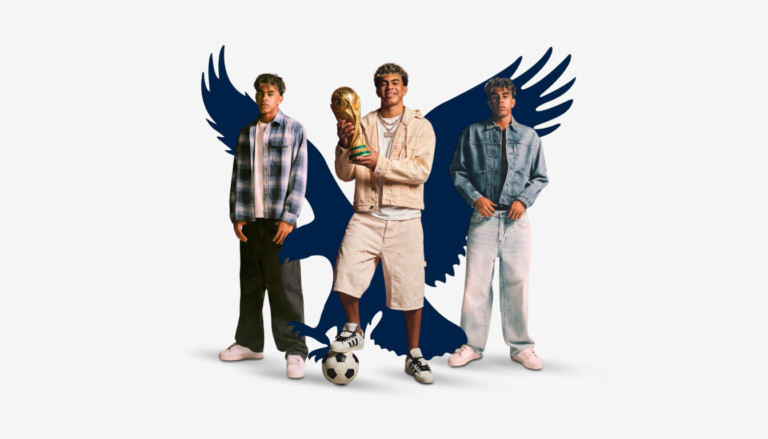
American Eagle entered the tournament from outside the sports category and built its position in layers. It signed Lamine Yamal in January on a five-year global ambassador deal, five months before kickoff. It launched an Umbro collaboration on June 3, debuted a separate international campaign called “The Greats” the following day, and ran its Yamal campaign, “Ready for the World,” alongside both.
Then came the part no traditional campaign structure could accommodate. Within a day of Spain winning the tournament, the retailer temporarily rebranded itself as “Lamine’s Eagles” and renamed one of its core jeans the AE 19, after Yamal’s jersey number and age. Chief marketing officer Craig Brommers has since carried the same approach into back-to-school, a period he calls the World Cup of denim.
The timing of the original signing carries the lesson. A January deal ahead of a June tournament buys months of familiarity before the athlete reaches maximum global attention. Signing before the peak is what separates partnerships that compound from partnerships that rent a moment.
Ceding Control Is the Actual Cost
World-building sounds like an expansion of creative ambition. In practice it is a transfer of authority. An ecosystem populated by creators, fan edits, product drops and cultural collaborators cannot be governed the way a thirty-second spot is governed, because most of the output is produced by people the brand does not employ and cannot brief.
That trade is the substance of the shift, and it explains why the model remains uncomfortable inside large marketing organizations. Approval processes designed to protect a single asset become bottlenecks when a campaign requires forty of them. Legal review calibrated to broadcast cannot clear content at social velocity. The brands that executed well in June had restructured their approval architecture before the tournament started, not during it.
The measurement problem is equally real. A hero film has clean attribution because there is one asset. An ecosystem distributes impact across dozens of touchpoints, many unpaid, and the reporting frameworks most teams use were built for the older model. Adidas is a useful cautionary case here, having posted extraordinary World Cup sales while the market punished the marketing line that produced them.
What This Looks Like Without a Global Budget
The model is not exclusive to companies spending nine figures. The transferable mechanics are sequencing, partner selection and reactivity, none of which require McDonald’s scale.
Sequencing means planning a campaign as a series of connected moments over eight to twelve weeks rather than one launch, with each release designed to reactivate the audience the last one gathered. Partner selection means committing early to a small number of collaborators whose audiences overlap with a target and whose trajectory is still rising, rather than buying access to attention already at its peak. Reactivity means deciding in advance which assets a team is permitted to change within twenty-four hours of a cultural event, and clearing the approvals for that possibility before it happens.
The brands that will struggle are those treating world-building as a bigger version of the old campaign. It is a different structure with a different governance requirement, and the organizations that ceded control deliberately outperformed those that surrendered it by accident.