
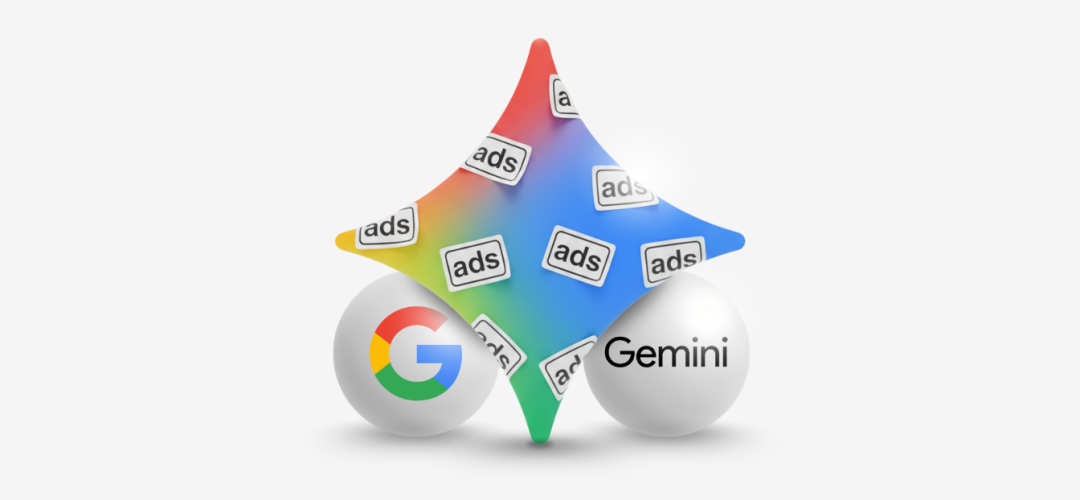
The advertising industry has spent the past year wondering when Google would begin monetizing Gemini, its rapidly growing AI assistant. That curiosity turned into speculation after major agencies reported that Google signaled a 2026 timeline for ads inside the chatbot during recent private calls. The company swiftly denied the claims, insisting that Gemini remains ad-free for now. Yet the conflicting narratives have exposed a deeper tension: Google is navigating one of the most delicate transitions in its history, seeking to balance the utility of generative AI with the commercial engine that has long funded its ecosystem.
What’s clear is that Google now finds itself at a turning point. Gemini has quickly amassed a global audience of hundreds of millions, drawing users toward conversational tasks that once lived naturally in Search. That shift carries obvious revenue implications. Every query handled inside an assistant rather than a search results page risks displacing the ads that have long powered Google’s business. The company, agencies, and Wall Street certainly know this, which is why even an unconfirmed suggestion of ads arriving in 2026 triggered such immediate industry attention.
A Rumor That Reveals More Than It Hides
While Google publicly rejected the timeline as inaccurate, the discussions with agencies illuminate the strategic complexity behind AI monetization. Google has already begun experimenting with ads inside AI-generated search experiences, integrating sponsored results into AI Overviews and AI Mode for select markets. Those early tests maintain the familiar structure of Search, keeping paid placements distinct from organic answers. Gemini, however, presents a different challenge. A conversational assistant feels intimate, fluid, and context-rich; ads inside such an environment must be more carefully woven to avoid eroding trust.
That tension helps explain why Google might be hesitant to confirm any future plans. The company is well aware that missteps in this space could provoke user backlash or raise questions about transparency and bias in AI-generated responses. At the same time, pressure to commercialize is increasing. With generative models becoming more powerful — and more costly to operate — technology firms cannot rely indefinitely on subscription plans or loss-leading strategies to sustain them. Bringing ads into assistants is not simply a revenue play; it is a long-term necessity for scale.
Why Gemini Is the Prize Every Advertiser Is Waiting For
If Google ultimately brings advertising into Gemini, it would unlock a new category of commercial interaction: intent-rich, conversational media. Consumers already use AI assistants to plan trips, compare products, brainstorm purchases, and seek brand recommendations. These tasks generate a richer picture of user needs than traditional search queries, which often reflect a single moment in the discovery journey. A chat session, by contrast, reveals preferences, constraints, and motivations over multiple turns.
This depth of intent is why advertisers are paying close attention. If future ads in Gemini evolve beyond static placements and become dynamic suggestions, delivered contextually as part of the assistant’s reasoning, they could reshape performance marketing. A sponsored product card in Search is one thing; a sponsored insight integrated into a personalized conversation is something else entirely. It changes not just where ads appear, but how they influence choices.
For brands, the opportunity is significant. AI-driven recommendation paths could resemble the advisory role once played by in-store experts or travel agents, but at an unprecedented digital scale. The advertisers who learn to craft utility-driven, conversational creative will have an early advantage when those surfaces eventually open.
The Commercial Stakes Behind the Public Denial
Google’s sharp rebuttal of any 2026 plans may be accurate, but it does not erase the larger reality: users are shifting toward assistants, and wherever user attention goes, monetization follows. The company is managing a fragile balancing act. Announcing ads too early risks discouraging adoption just as Gemini’s momentum accelerates. Waiting too long raises long-term revenue questions, especially as OpenAI, Meta, and Amazon test their own pathways toward commercial AI ecosystems.
This is why the controversy matters beyond the he-said-she-said between agency buyers and Google spokespeople. It signals the beginning of a broader industry reset, one where AI systems are no longer simply tools but potential marketplaces. And as these assistants become more embedded in users’ daily lives, the lines between information, advice, and advertising will inevitably blur — forcing regulators, platforms, and marketers to rethink long-standing norms.
What Comes Next for Marketers
For now, nothing changes in Gemini itself. There are no ads, no formats to buy, and no prototypes circulating among agencies. But the most forward-thinking marketers are not waiting for a formal announcement. They are already adapting their creative strategies for a world where AI assistants guide consumer decisions through context rather than keywords.
That means crafting content that behaves like help rather than persuasion, building first-party data systems capable of tracking complex discovery journeys, and experimenting within Google’s AI search surfaces to understand how generative models reshape performance metrics. Whether ads arrive in Gemini in 2026, 2027, or later, the winners will be the brands that treat AI not as a channel but as an environment — one where trust, clarity, and utility become the new foundations of influence.