
A Game Shoe, Not a Retro
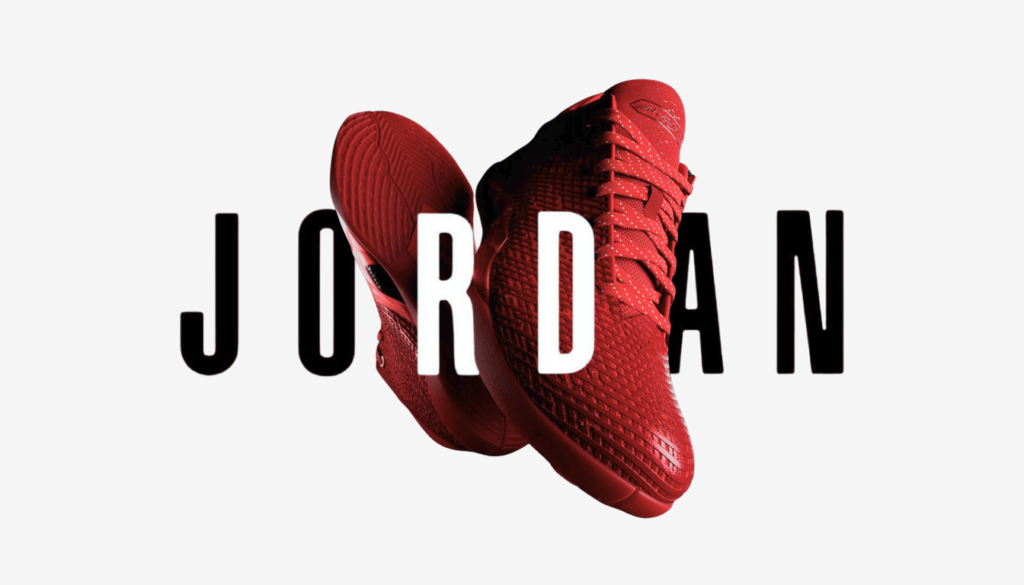
On August 28, Jordan Brand released the Air Jordan 41 in limited quantities in China, with a global rollout to follow, and the important word in the announcement is game. The 41 is a performance basketball shoe, built to be played in rather than collected, and Jordan Brand framed it as the start of a new era of design and innovation for its basketball line. That framing is a tell. A brand does not announce a new era for a category that is thriving, and Jordan Brand’s on-court business has been the soft spot inside an otherwise enormous franchise. That Nike chose China for the first release is a signal of its own, because China has been the market where its recovery has lagged, and leading with the 41 there points the franchise’s freshest product at its softest region.
The Technology Statement
The shoe is engineered to make a performance argument. The Air Jordan 41 pairs a woven upper and bootie collar with a Cushlon 3.0 midsole, a ZoomX forefoot, Zoom Air in the heel and a full-length Zoom Air Strobel unit, a stack of Nike’s current cushioning technologies assembled to signal that the numbered line is once again a serious basketball shoe. It was designed by Jordan Brand’s senior creative director Leo Chang and senior director of basketball and promo footwear Donald Kelsey, and it carries a $205 retail price, unchanged from the Air Jordan 40. Holding the price flat while loading in more technology is itself a statement, because it tells the market Nike wants the 41 judged on performance value rather than positioned as a luxury step up.
A Franchise Under Pressure
The launch lands at a difficult moment. Jordan Brand revenue fell 16 percent to $7.3 billion in the fiscal year that ended in May 2025, a sharp reversal for a division whose revenue had doubled between 2020 and 2024. The decline coincided with saturation concerns, as years of heavy retro releases flooded the market, and with renewed competition from Adidas, which has rebuilt its basketball credibility around younger signings. Nike’s chief executive Elliott Hill, who returned to the company in October 2024, has named Jordan Brand a pillar of his turnaround, and he has personal history with it, having helped take the brand international in the late 1990s. For Hill, restoring Jordan’s momentum is not a side project. It is central to the argument that Nike can recover.
Retro Pays the Bills, Performance Keeps the Meaning
Jordan Brand’s core tension is visible in the 41. Over the past decade the performance basketball sneaker market has shrunk, while the retro and lifestyle business more than made up the difference, turning Air Jordans from athletic equipment into cultural collectibles. That trade was lucrative, but it hollowed out the reason the brand exists, because a sneaker’s cultural value ultimately borrows from its athletic legitimacy. When the shoes stop being credible on the court, the retros eventually lose the story that makes them worth owning. Investing in a real performance flagship is how Jordan Brand protects the foundation under its most profitable business, even though the retros, not the 41, will drive the near-term revenue.
Why the Numbered Line Still Matters
For marketers, the Air Jordan 41 is a lesson in franchise management. The numbered line is one of the most valuable recurring products in consumer goods, a nearly annual release that arrives with built-in demand and decades of accumulated meaning, and Nike treats it as both a cash engine and a brand asset that has to be defended. The risk in a saturated market is that another numbered release reads as routine, one more shoe in a crowded calendar, which is why Nike wrapped the 41 in the language of a new era and staffed it with senior designers rather than letting it ship as an iteration. The broader lesson is that legacy franchises do not run on nostalgia alone. They require periodic reinvestment in the thing that made them matter, and the moment a brand starts coasting on its back catalog is the moment the catalog begins to lose value. Jordan Brand has $7.3 billion in reasons to get the 41 right, and the number is falling.