
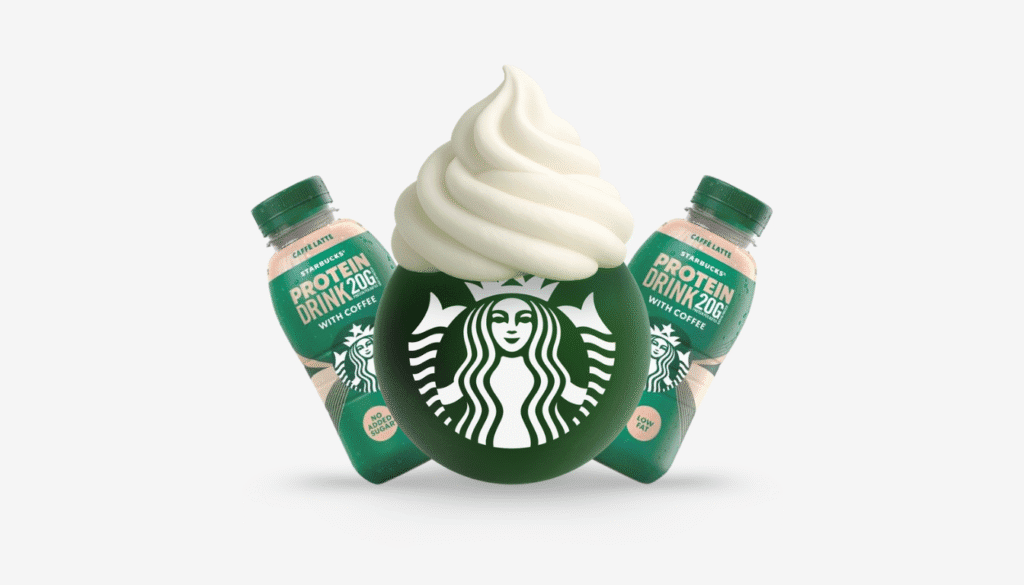
Starbucks is stirring the pot this time with protein. In June 2025, the coffee giant launched a limited test of a sugar-free vanilla latte topped with banana-flavored, protein-enriched cold foam at five U.S. locations. The rollout is part of its “Starting Five” pilot initiative and represents a strategic maneuver designed to pull Starbucks into the center of the health and functionality conversation.
The timing isn’t coincidental, under CEO Brian Niccol’s “Back to Starbucks” campaign, the company is working to reinvigorate sales and streamline operations and the protein test signals how Starbucks intends to evolve in response to shifting consumer behaviors. The move aligns with menu rationalization, service acceleration goals, and an aggressive push to reclaim brand vitality.
Tapping Into the Protein Economy
Starbucks is capitalizing on the booming demand for functional ingredients, especially among Gen Z and wellness-oriented consumers. In addition, protein continues to outpace fats and carbohydrates as the nutrient of choice in beverages and snacks, making it a prime candidate for menu innovation.
The company is also layering two fast-growing preferences: low-sugar consumption and nutrient-dense indulgences by opting for a sugar-free, banana-flavored foam. This allows the brand to retain its signature treat-yourself identity while signaling a pivot toward better-for-you offerings. In the face of rising competition, particularly from Dutch Bros and other quick-service players already pushing protein drinks, Starbucks is asserting itself in what has quickly become a high-stakes category.
Rewriting the Cold Foam Playbook
This isn’t Starbucks’ first foray into protein. It previously introduced Vivanno smoothies in 2008, only to retire them a decade later. But the current strategy feels different: more agile, brand-aligned, and attuned to modern demands. The decision to infuse protein into its existing cold foam model ensures operational simplicity, as this innovation slots directly into existing workflows, minimizing disruption while maximizing menu personalization.
Personalization is also a key factor. This new foam is meant to be a flexible add-on, appealing to everyone from fitness-focused 20-somethings to aging consumers seeking nutrient balance. Even GLP-1 medication users—a growing demographic with unique dietary patterns—are part of the calculus, underscoring how Starbucks uses segmentation to power product innovation.
Brand Modernization With Nutritional Edge
Modern relevance requires more than seasonal drinks and loyalty points. Starbucks knows it must now embody a more wellness-oriented identity to stay competitive. Functional foods and beverages have moved from niche to necessity, and Starbucks is responding with a measured approach: test, adapt, and then scale. The launch also directly influences premium pricing strategies, offering perceived and actual value in a marketplace where customers increasingly discern what they consume.
Marketing-wise, the initiative is a dream fit for digital integration. The protein foam test offers myriad content hooks, from push notifications to in-app banners and TikTok influencer trials, creating a closed-loop marketing system with real-time testing, feedback, and rapid digital amplification.
The Risks That Come With the Reward
Of course, innovation isn’t without its pitfalls. Taste and texture are critical in the beverage world, and a protein-enriched foam carries the risk of being too dense, chalky, or unfamiliar. Pricing could also be a barrier; while premium positioning is the goal, Starbucks must tread carefully to avoid alienating price-sensitive customers.
Cultural adaptation is another concern. What resonates in a health-conscious urban market may flop in a suburban or international context. That’s why the pilot is tightly scoped. The company uses it as a diagnostic tool to gather feedback, measure repeat purchase behavior, and evaluate demographic pickup.
A Glimpse at What’s Next
If the trial proves successful, Starbucks could layer this concept into broader initiatives: bundling the foam with protein-forward food items, experimenting with new flavors or base beverages like matcha or cold brew, or even launching co-branded wellness drops with fitness influencers, building strategic extensions that tap into the same consumer desire for customization, health, and perceived value.
Ultimately, Starbucks’ success aims to hinge on stickiness. Can this foam drive loyalty? Can it create a new ritual among younger consumers or those on wellness journeys? These metrics matter as the brand looks to course-correct its revenue path and redefine its identity for a post-pandemic, protein-hungry marketplace.