

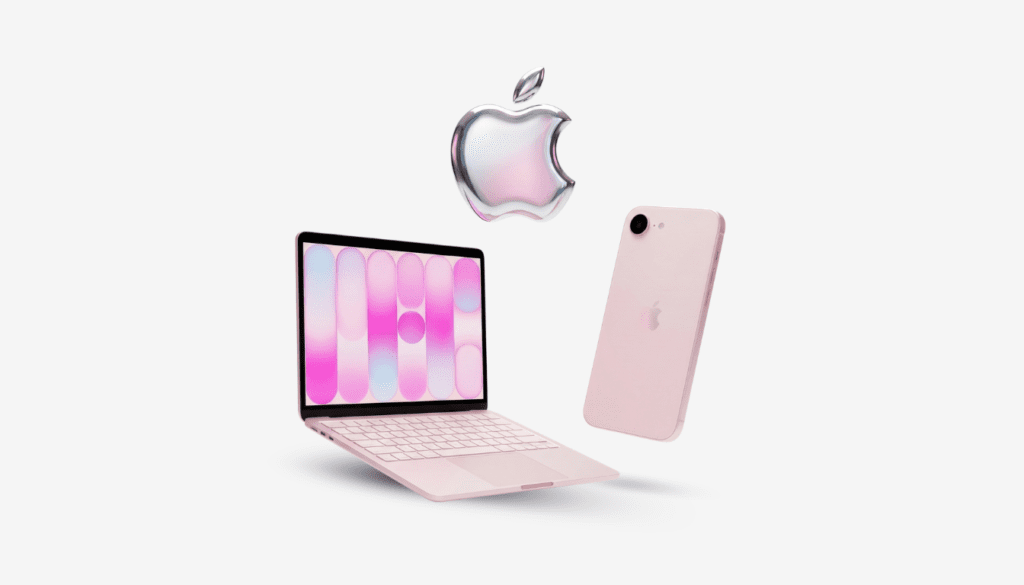
For decades, Apple maintained a disciplined premium position in the technology industry, focusing on design, performance, and brand reputation rather than lower price tiers. The launch of the iPhone 17e and MacBook Neo at $599 suggests Apple is entering a new strategic phase that broadens its reach while preserving its premium identity.
Announced during a pivotal week for the company, these products stand out not just as new devices, but as some of Apple’s most accessible offerings in key categories. A $599 iPhone and MacBook position Apple closer to mid-market segments traditionally led by Android, Chromebooks, and entry-level Windows laptops, raising questions about whether Apple is responding to economic pressures, targeting new global audiences, or preparing for the next phase of its ecosystem strategy. As is often the case with Apple, the answer likely involves all three factors.
A Premium Brand Experiments With Accessibility
Apple’s pricing discipline has historically been a cornerstone of its brand narrative. Entry-level products have always existed within its portfolio; still, they typically arrived with price tags that remained comfortably above the mid-market range, reinforcing the perception that Apple operated in a category of its own.
The iPhone 17e and MacBook Neo subtly disrupt this pattern without undermining Apple’s image. Instead of marketing them as budget options, Apple positions them as fully capable products, maintaining the brand’s design, aluminum construction, and long-term software support.
Performance remains strong in key areas, as the iPhone 17e uses the same processor architecture as Apple’s flagship phones, and the MacBook Neo features Apple’s mobile-class silicon in an accessible laptop, ensuring new users experience the speed and efficiency that define Apple devices.
This approach strikes a careful balance: a lower entry price that expands Apple’s audience without diminishing its reputation for quality.
The Ecosystem Strategy Behind the Price
To understand the implications of the $599 devices, it is important to look beyond the hardware and consider Apple’s broader business model.
Over the past decade, Apple has shifted from focusing on hardware sales to building an interconnected ecosystem of devices, software, and services. The value of a single device now extends beyond the initial purchase, as users adopt cloud storage, streaming, app subscriptions, and digital services.
Lowering the entry cost serves a strategic purpose beyond immediate device sales. Choosing a $599 iPhone over a similarly priced Android device often leads to a longer economic relationship, including subscriptions, additional hardware, and future upgrades within the Apple ecosystem. In this way, the iPhone 17e and MacBook Neo act as gateways, expanding participation in Apple’s broader digital ecosystem.
Entering Markets Apple Once Left Behind
The MacBook Neo, in particular, has implications beyond Apple’s traditional customer base. For years, Chromebooks and inexpensive Windows laptops have dominated the sub-$700 market, especially in education and price-sensitive regions where Apple rarely competed. The Neo changes this dynamic.
A $599 MacBook makes Apple accessible to students buying their first computer, schools considering large deployments, and emerging markets where affordability is key. The Neo can introduce macOS to a new generation of users who might not have used Apple devices before.
Early exposure to Apple’s ecosystem can have lasting effects, as habits formed during formative years often shape technology preferences for decades.
A Strategic Response to a Changing Economy
The broader economic environment also informs Apple’s decision as the consumer electronics industry faces slower upgrade cycles and increased price sensitivity due to inflation, higher borrowing costs, and cautious spending. Even loyal Apple customers are keeping devices longer, extending replacement timelines that once drove annual sales.
By introducing a new price tier, Apple addresses these conditions without changing its premium positioning. Instead of lowering all prices, Apple expands its product range, offering a viable entry point for consumers hesitant to make higher-priced purchases.
This approach allows Apple to address economic caution while maintaining the aspirational appeal of its higher-end products.
Redefining the Meaning of Entry-Level
Perhaps the most important aspect of the new devices is how Apple has deliberately redefined “entry-level” within its product lineup. iPhone 17e and MacBook Neo sit in lower price tiers; the company has ensured they retain the fundamental characteristics that define the Apple experience. Trade-offs appear primarily in areas that have less influence on everyday use—such as display brightness, graphics capacity, or certain advanced hardware features—while the core experience remains fluid, fast, and unmistakably Apple.
The strategy lets Apple maintain its premium identity while expanding its reach, reinforcing that affordability in the Apple ecosystem does not mean compromise.
Strategic Shift
Viewed more broadly, Apple’s $599 devices may signal a shift beyond a single product cycle.
For much of its history, the company’s growth was driven by its ability to sell premium hardware at unmatched margins. Today, however, its long-term strength increasingly derives from the scale of Historically, Apple’s growth relied on selling premium hardware at high margins. Today, its long-term strength comes from the scale of its ecosystem, where value increases as more users join.n that context, the iPhone 17e and MacBook Neo represent more than affordable hardware. They mark a subtle recalibration of Apple’s growth strategy, suggesting the company may now see the expansion of its ecosystem as equally important as preserving its premium aura.
If this interpretation is correct, the $599 price point could shape the next chapter of Apple’s global expansion, extending its impact beyond this year’s product launches.