

The Power of Walking Through the Door
For decades, IKEA built its global advertising identity on humor, relatability, and clever depictions of domestic life, often turning everyday household chaos into playful storytelling that reinforced the brand’s accessibility and practicality. Yet with its latest global campaign, “There’s No Feeling Like Home,” the Swedish home retailer embraces a more contemplative and emotionally resonant tone, placing less emphasis on products and more on the deeply human experience of returning home.
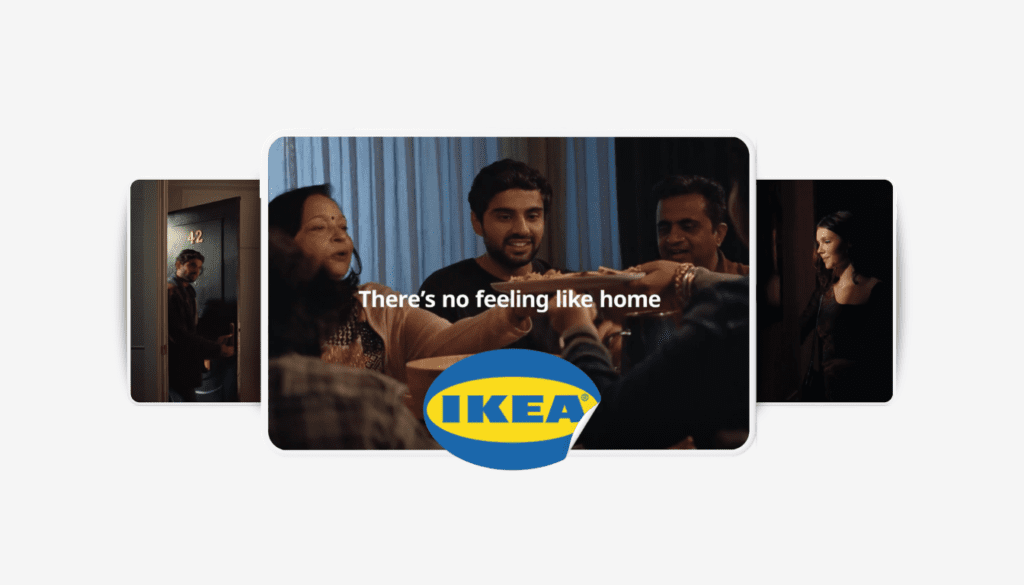
Created by McCann, the campaign centers on a cinematic film titled Coming Home, which unfolds through a sequence of ordinary yet quietly powerful moments from daily life. Across the world, people complete their routines as the day winds down: a restaurant worker finishes a long shift, students leave school, and commuters move through crowded streets and transit stations. As each character moves through the city’s rhythm, the story builds toward a shared destination, culminating in the simple yet meaningful act of stepping through the front door.
The moment that follows is subtle yet unmistakable. The outside world, defined by noise, urgency, and constant movement, slowly fades, giving way to the calm, warmth, and familiarity of home. Accompanied by a wistful cover of Carole King’s “Home Again,” performed by Lucy Dacus, the film lingers on these transitions with quiet emotional clarity, capturing a universal experience that needs little explanation and resonates across cultures.
A Brand Built on Emotion, Not Just Furniture
The campaign reflects a broader strategic evolution in how IKEA presents itself. While the brand’s reputation has long been rooted in affordability, practical design, and the ingenuity of its flat-pack furniture model, the new campaign signals a deeper effort to emphasize the emotional role the home plays in people’s lives.
Insights from IKEA’s Life at Home Report helped shape this direction, revealing that most people worldwide describe their homes as places of joy and comfort. For the brand’s marketing leadership, this finding underscored an opportunity to explore home not just as a physical environment, but as a space defined by emotional meaning and personal refuge.
As a result, the campaign reframes IKEA’s relationship with its customers. Rather than presenting itself only as a retailer that fills homes with furniture, the company positions its brand as a companion to everyday life, quietly enabling moments of rest, relief, and connection within domestic spaces. In this narrative, the furniture becomes secondary; what matters most is the emotional environment those objects help create.
Cinematic Storytelling and the Beauty of Ordinary Life
The campaign’s visual language reinforces this emotional perspective through a cinematic style that prioritizes intimacy and authenticity. Directed by Justyna Obasi, the film uses soft lighting, slow-motion sequences, and a shallow depth of field to draw viewers into the personal spaces of its characters, allowing the audience to experience the moment of arrival almost from within the scene.
Rather than relying on dramatic plot twists or exaggerated storytelling, the film focuses on small gestures that define everyday routines: shoes slipping off at the entrance, keys dropped onto a hallway table, a tired body sinking into the familiar comfort of a couch. These quiet rituals, repeated countless times in homes around the world, become the narrative anchors of the story.
The portrayal of domestic life is authentic rather than aspirational. Interiors are warm and lived-in, and characters are ordinary people navigating daily life. By capturing understated moments with care, the campaign shows that the meaning of home often appears through small details.
A Universal Story Told Across Markets
Although the campaign is designed for a global audience, its rollout strategy balances universal storytelling with local cultural resonance. The campaign will launch first in South Korea, China, and Belgium before expanding to more markets through 2026, supported by a media mix that includes television, online video, social media, and out-of-home placements.
This phased approach allows the campaign’s central message to remain consistent while giving individual markets flexibility to adapt its execution to local cultural contexts. While housing styles, urban environments, and family structures vary around the world, the emotional experience of returning home after a demanding day remains universal.
By grounding the campaign in this shared moment, IKEA ensures its message crosses borders and stays relevant to different audiences.
Why Emotional Marketing Matters Now
The timing of the campaign also reflects broader shifts in how people relate to their living spaces. Over the past several years, social and economic changes have profoundly reshaped the meaning of home. For many individuals, home has evolved beyond a place of rest into a multifunctional environment that simultaneously serves as workspace, sanctuary, gathering place, and emotional refuge.
In this context, the emotional narrative behind the campaign feels especially relevant. As daily life grows more fast-paced and digitally saturated, home is one of the few places where people can disconnect from external pressures and reconnect with themselves.
For brands in the home category, this shift creates an opportunity to move beyond functional product messaging and engage with the deeper psychological role that domestic spaces play in people’s lives. IKEA’s campaign reflects this evolution in marketing strategy, positioning the brand not just as a seller of furniture but as a facilitator of the everyday comfort and emotional balance people seek inside their homes.
The Enduring Appeal of a Simple Idea
In an industry shaped by performance metrics, algorithm-driven targeting, and the pursuit of viral moments, IKEA’s campaign stands out for its simplicity and emotional clarity. The story it tells is not complex or technologically driven, yet it carries a quiet power because it reflects an experience shared by millions across the world.
Returning home after a long day may seem ordinary, but it represents an emotional release. By focusing on this moment, IKEA transforms routine into a narrative that feels intimate and expansive.
In doing so, the brand reminds audiences that while furniture can shape a space, the true essence of home lies in the feeling people experience when they finally arrive there.