
The Question Nobody Can Answer
Ask a marketing leader whether their brand is running TV ads and the answer, almost universally, is yes. Ask them where those ads ran last week — which shows, which networks, which moments — and the answer becomes considerably less certain. Ask them what percentage of their TV investment went toward premium live inventory versus programmatic auctions, and most will not have a clear number at all.
This is the central paradox of CTV advertising in 2026. The infrastructure built over the last decade has made it easier than ever for brands to access connected television, democratizing a channel that once required upfront commitments, publisher relationships, and budgets that excluded most advertisers. Demand-side platforms extended to CTV the same buying mechanics that brands already used for digital display and video — audience targeting, real-time bidding, performance optimization — and the appeal was immediate. Television, finally, felt like digital.
The problem is that digital infrastructure was built for a world of millions of websites and billions of ad impressions, where the inventory is effectively infinite and the pipes carry essentially everything. Television does not work that way. Based on data from hundreds of millions of dollars in media spend analyzed across the Tatari platform, 90% of CTV impressions come from just ten major publishers. And what those publishers choose to put into programmatic pipes is not the best of what television has to offer. It is, largely, the remainder.
What the Pipes Can’t Carry
The assumption embedded in programmatic CTV buying — that access to the pipes means access to premium inventory — turns out to be structurally wrong, and the data confirms it with unusual clarity. According to a 2025 Boston Consulting Group report, publishers sell only about 35% of live event CTV inventory programmatically. The rest is sold direct, through upfront commitments and bilateral publisher deals that happen entirely outside the DSP ecosystem.
This means that when a brand runs a CTV campaign through a demand-side platform, it is competing for a subset of available inventory — the portion that publishers decided was not worth holding back for direct sale. The NFL playoffs are sold direct. The NBA Finals are sold direct. The Oscars are sold direct. Streaming originals with record-breaking viewership, like shows generating the kind of cultural conversation that carries real audience attention into the advertising break, are negotiated through publisher relationships, not won in an auction. The inventory that eventually reaches programmatic channels is typically what premium advertisers have already passed on, marked up with intermediary fees and without guaranteed placement in the programs the media plan assumed.
For brands whose strategy depends on reaching audiences at moments of high engagement and emotional investment — which is to say, for brands that want television to do what television uniquely does — a programmatic-first approach is not a television strategy. It is access to the programmatic slice of television, which is a different, smaller, and structurally less valuable thing.
The Measurement Gap That Looks Like Performance
There is a secondary consequence to programmatic-first CTV buying that shows up later in the data and is frequently misread. When attribution is built around what a DSP can access and measure, it treats that partial view of the television landscape as a complete picture. The audiences reached through premium direct placements — the viewers who watched the Super Bowl spot, the subscribers who caught the streaming original sponsorship — never show up in programmatic reporting. They are invisible to the measurement system.
The result is a data story that reads as television underperforming when the actual problem is that television was never fully bought. The channel gets blamed for the gaps created by the buying strategy. Teams respond by reducing TV investment or shifting further toward programmatic, which compounds the original problem. It is a feedback loop that flatters digital’s measured efficiency while television’s real contribution — including the halo effects on search, direct traffic, and brand awareness that come specifically from premium placement — goes unaccounted for.
Chime, the fintech company, encountered this problem directly when it came to television as a performance marketer accustomed to digital attribution. The brand wanted attribution that looked like digital — real-time, customer-level, tied to enrollment data. Building a measurement framework that tracked performance across the complete range of where its audience was actually watching, rather than only where programmatic could see, surfaced conversion patterns and incremental reach that a programmatic-only approach had left invisible. The outcome was a 5% improvement over monthly cost-per-enrollment targets and compounding growth in unaided brand awareness — metrics that would not have appeared in the original data picture at all.
What a Real TV Strategy Looks Like
The brands seeing the strongest returns from television advertising in 2026 are not the ones who bought the most CTV. They are the ones who understood what television actually offers and built their strategy around it — which means combining programmatic access to the open market with direct publisher relationships that unlock the premium inventory programmatic cannot reach.
Tecovas, the Austin-based western apparel brand, built its television strategy around a single honest question: where is our audience actually paying attention? The answer required direct buys — NFL playoffs, NCAA football, the MLB World Series, a Yellowstone sponsorship that placed the brand inside the cultural context it was built for. None of that inventory enters programmatic pipes. It starts at upfronts and is sold through publisher relationships to direct buyers before anything reaches an auction. Tecovas’ investment in those placements delivered a 16-times lift in website visits from a single World Series spot, sustained direct traffic growth, and a halo effect that made paid search and digital channels more efficient simultaneously — outcomes that would not have materialized from the programmatic fraction alone.
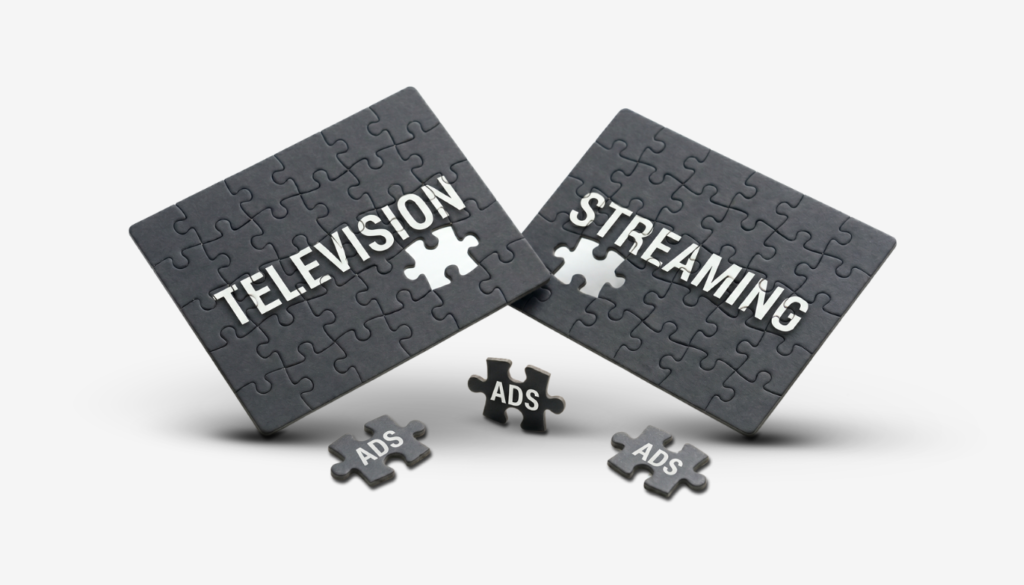
The broader principle is not complicated, even if the execution requires capability that many brands have not yet built. Programmatic CTV is a legitimate and valuable tool for testing, for efficiency, and for reaching audiences at scale across the open market. It is not a complete television strategy. The premium inventory that creates reach at scale, the high-attention moments that do the brand-building work that only television can do, the placements that generate the downstream halo effects — these live outside the pipes. Getting to them requires publisher relationships, upfront presence, and a buying infrastructure designed for how television actually works rather than how digital made us expect everything to work.
The industry has spent five years treating programmatic CTV as a proxy for television. The brands that correct that assumption in 2026 will have access to an entirely different channel than the one their competitors think they are buying.