A New Creative Engine Inside Meta’s Apps
Mark Zuckerberg used his Instagram stories to introduce what he framed as a major Meta AI update, led by Muse Image. The pitch was direct: apply AI effects to Instagram photos in one tap, or add your own spin to existing ones. Behind the casual rollout is a significant technical step. Muse Image is Meta’s first in-house image-generation model from Meta Superintelligence Labs, the unit run by chief AI officer Alexandr Wang, and it was developed internally after Meta previously leaned on outside providers. Launched on July 7, 2026, it is free through the Meta AI app and built directly into Instagram Stories and WhatsApp, with Facebook and Messenger expected to follow. The same model powers more than thirty AI visual effects across Meta’s apps.
One-Tap Effects, Sketch Edits, and Presets
The feature set is aimed at removing friction from creation. Users can describe an edit in plain language and let the model handle it, whether that means placing someone in front of a historical landmark, erasing a photobomber from a shot, or generating a functional QR code. Muse Image also renders legible text inside images, which makes it usable for how-to guides and infographics rather than only decorative art. Two of the effects Zuckerberg highlighted stand out for marketers. The first, AI photo editing, lets a user sketch a rough change directly onto an image and have Meta AI complete it, no detailed prompt required. The second is a presets panel of suggested prompts that can restore an old photo, preview trending hairstyles, or reimagine a subject as a claymation character. For content teams, this turns Meta’s apps into a native production tool.
The Tagging Feature That Went Too Far
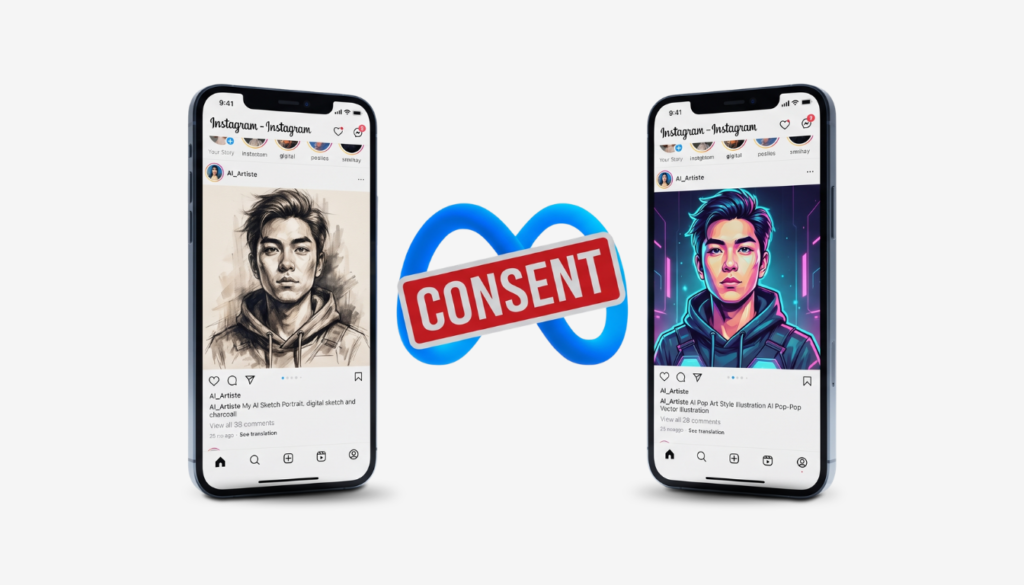
The third feature Zuckerberg promoted, social tagging, is where the story turns instructive. As announced, it let users tag a public account to generate an image featuring that person. In practice, the tool allowed anyone to reference a public Instagram profile in a prompt and pull from that account’s real photos, and public accounts were opted in by default. The reaction was swift. Creative Artists Agency and the union SAG-AFTRA criticized the design for enabling nonconsensual use of people’s likenesses, warning about unauthorized digital replicas. Within days, Meta reversed course. On July 10, 2026, the company removed the Instagram feature that pulled photos from public accounts, acknowledging it had missed the mark. The episode is a live example of a launch that shipped faster than its consent model could withstand.
What Marketers Should Take Away
For marketing and content teams, Muse Image cuts two ways. On one side, it lowers the cost of producing on-brand visuals, ad variations, and quick edits inside the platforms where audiences already are, and it is positioned to plug into Meta’s advertising and commerce tools, including a Marketplace preview that lets shoppers picture an item in their own space. On the other side, the backlash is a warning about the terrain ahead. Consent, likeness rights, and disclosure are no longer edge cases. Meta introduced an invisible watermark called Content Seal, but the European Union’s AI Act begins requiring visible labeling of AI-generated content on August 2, 2026, which means invisible marks alone may not satisfy regulators. Brands adopting these tools should treat consent and transparent labeling as design requirements from the start, not fixes applied after a public reversal. The creative upside is substantial, and so is the reputational cost of getting the guardrails wrong.