
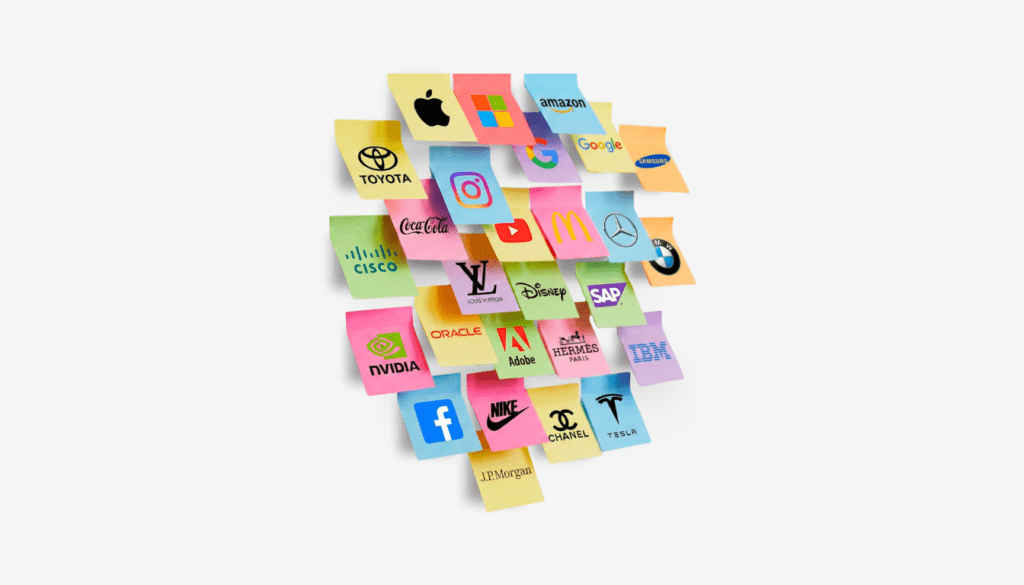
For years, minimalism was framed as a cultural corrective to excess, almost as if taste itself had matured beyond the need for logos, yet a brief look at street style, social feeds, and everyday visual culture quickly dismantles that narrative. Logos never disappeared; what changed was their function. We are not living in a post-logo era but in a post-obvious-logo era, where branding remains central to identity expression while operating through subtler, more selective, and more culturally layered signals.
The classic model of logomania relied on mass visibility. A monogrammed handbag, a bold belt buckle, or a recognizable streetwear graphic gained power from instant legibility and broad recognition, reinforcing a straightforward social message about access and aspiration. Today, however, status is increasingly negotiated through contextual recognition, where the most valuable symbols are often those that require cultural literacy to decode. A niche magazine tote, a neighborhood café cap, a band tee tied to a specific tour, or a creator’s limited merch drop does not seek validation from everyone; instead, it signals belonging to a particular world. The logo shifts from megaphone to password, communicating proximity, taste, and shared reference rather than pure purchasing power.
How Minimalism Reshaped the Logo Instead of Erasing It
This is why minimalism did not eliminate logos but reshaped them. Branding migrated from repetitive monogram patterns toward quieter placements, from front-and-center graphics toward subtle wordmarks and coded symbols, from overt prestige displays toward cues that reward those who recognize them. In many cultural circles, the central question attached to a piece of clothing is no longer how expensive it is, but how you found it, because discovery itself has become a form of cultural capital. A small logo, when attached to the right story, can carry more weight than a large one backed only by price.
The Luxury Fatigue Behind the Shift
Compounding this evolution is a growing skepticism toward the value equation of traditional luxury. As prices climbed, products became more standardized, and exclusivity increasingly felt manufactured rather than earned, many consumers began questioning what they were truly buying into. When every luxury logo becomes omnipresent, distinctiveness erodes, and with it the emotional power of the symbol. In that vacuum, smaller brands, niche identities, and culturally specific projects gain credibility precisely because they feel intentional rather than mass-produced, rooted in narrative rather than scale. Their logos matter not because they are globally recognized, but because they are contextually meaningful.
When Merch Became Media
The internet did not simply democratize access to brands; it fundamentally reorganized how meaning circulates. Discovery now happens through feeds, group chats, micro-communities, newsletters, comment sections, and algorithmic trails where cultural references travel faster than any traditional campaign. Within this ecosystem, merchandise evolves from product into medium. A tote becomes editorial positioning. A hoodie becomes a cultural affiliation. A limited drop becomes a timestamp indicating you were present at a specific moment. Scarcity, timing, and narrative converge to turn even the simplest logo into a carrier of identity.
Seen through this lens, what appears to be a fashion shift is also a structural shift in distribution and attention. In an ecosystem fragmented across platforms and subcultures, symbols perform best when they are legible to the right audience rather than to everyone. Cultural capital is now measured less by reach and more by relevance, less by visibility and more by alignment. The strongest logos today are not the ones seen everywhere, but the ones recognized deeply within a particular circle.
What Legacy Brands Must Unlearn
For established brands, this evolution is uncomfortable but clarifying. The problem is not that consumers reject logos; it is that they reject emptiness. A logo detached from a living narrative feels hollow regardless of heritage, whereas one embedded in community, collaboration, and cultural participation can regain potency. Brands that thrive under these conditions are those that treat symbolism as a relational tool rather than a decorative asset, that understand merchandising as storytelling, that build credibility through proximity to real cultural contexts, and that resist the temptation to dilute their identities into safe, generic minimalism.
The cultural tension of the moment is that we inhabit a landscape of pared-back aesthetics while craving layered meaning. People continue to seek symbols, curate identity, and communicate belonging through what they wear and share, yet the most powerful signals are no longer designed for mass approval. They are designed for selective recognition, where taste circulates through context rather than scale. Logomania did not disappear; it refined itself, fragmented into subcultures, and became more intimate. In doing so, it may not have become weaker but more strategically powerful than ever.