
Fanta Turns Halloween Into Owned Territory
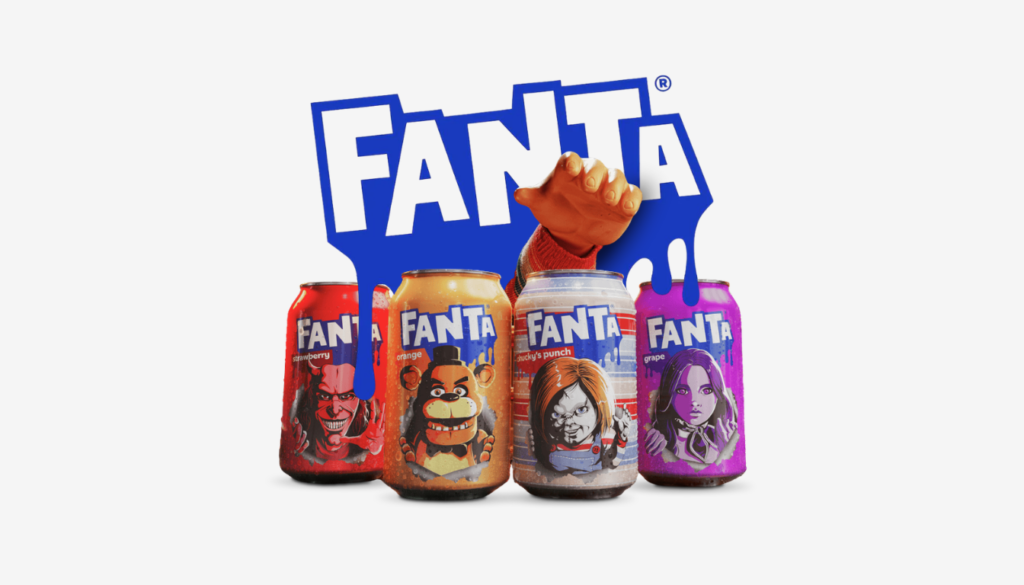
Fanta has spent years as a fixture of the Halloween aisle, but its latest move aims higher than seasonal packaging. The Coca-Cola brand launched a Halloween platform it calls a Haunted Universe, built through a global partnership with Universal Pictures and Blumhouse that brings a roster of horror icons together for the first time. The centerpiece is a limited berry flavor, Fanta Chucky Punch, alongside character takeovers on the core lineup: The Grabber from Black Phone on Strawberry, Freddy Fazbear from Five Nights at Freddy’s on Orange, and M3GAN on Grape. On-pack QR codes route shoppers to exclusive digital content, and the campaign extends into cinema, retail experiences and influencer-driven social. Ibrahim Khan, Fanta’s global vice president of marketing, framed the effort as a platform meant to entertain fans for many years.
From Seasonal Marketer to Content Studio
The language matters. Calling the program a universe rather than a campaign borrows directly from Hollywood, and it reframes what Fanta is trying to build. A campaign ends when the season does. A universe implies recurring characters, expanding storylines and a reason to return next October. By assembling several franchises under one Fanta-owned banner, the brand is positioning itself as the connective tissue that ties otherwise unrelated horror properties together, which is a role usually reserved for studios and streamers. The ambition is to stop renting Halloween relevance one year at a time and start operating a proprietary entertainment platform that compounds.
Packaging as Media, QR as Funnel
The most instructive part of the execution is the humble can. Character takeovers turn every bottle and can into a piece of paid media that a shopper already pays to take home, and the on-pack QR code converts that packaging into a measurable channel. A scan moves a buyer from a physical shelf into a digital experience Fanta controls, where it can serve content, capture first-party signals and build an audience it can reach again. In a market where third-party tracking keeps eroding, turning distribution into a data and retargeting surface is a powerful and underused play, and it gives a beverage brand a direct line to consumers that most consumer-goods companies lack.
The Borrowed Fame of Horror Icons
The character roster is chosen for reach, not nostalgia alone. Five Nights at Freddy’s commands a devoted young audience, M3GAN became a meme well beyond horror fans, and Chucky carries decades of recognition. Together they span generations and give the campaign multiple entry points, from children who know Freddy Fazbear from games to adults who grew up with slasher franchises. The Blumhouse and Universal partnership lends the effort credibility with genre fans who would dismiss a shallow tie-in, and it lets Fanta wrap itself in cultural properties that already generate their own conversation, earning attention the brand would otherwise have to buy outright.
The Christmas-to-Coke Ambition
The stated goal, to make Halloween to Fanta what Christmas is to Coca-Cola, is a revealing benchmark. Coke’s ownership of Christmas took decades of consistent investment to harden into something consumers treat as tradition, and it now pays the company back every year without fail. Fanta is trying to manufacture a similar seasonal equity on a compressed timeline, and the risk is that a tradition assembled from licensed horror characters feels engineered rather than earned. The payoff, if it works, is a durable brand asset that returns each autumn, which is worth far more than any single strong campaign.
What Brand Teams Should Take
Fanta is modeling a shift that more consumer brands will attempt: behaving like an entertainment studio rather than an advertiser. Owning a season is a bigger prize than winning a moment, but it demands patience, a coherent creative world and the discipline to keep investing after the first year’s novelty fades. The packaging-as-media and QR-as-funnel mechanics also offer a practical template for any brand with physical distribution, because they convert shelf presence into an owned audience. The open question is whether Fanta will treat the Haunted Universe as a true multi-year platform or quietly let it lapse into another seasonal stunt.