
The League Markets Personality Over Product
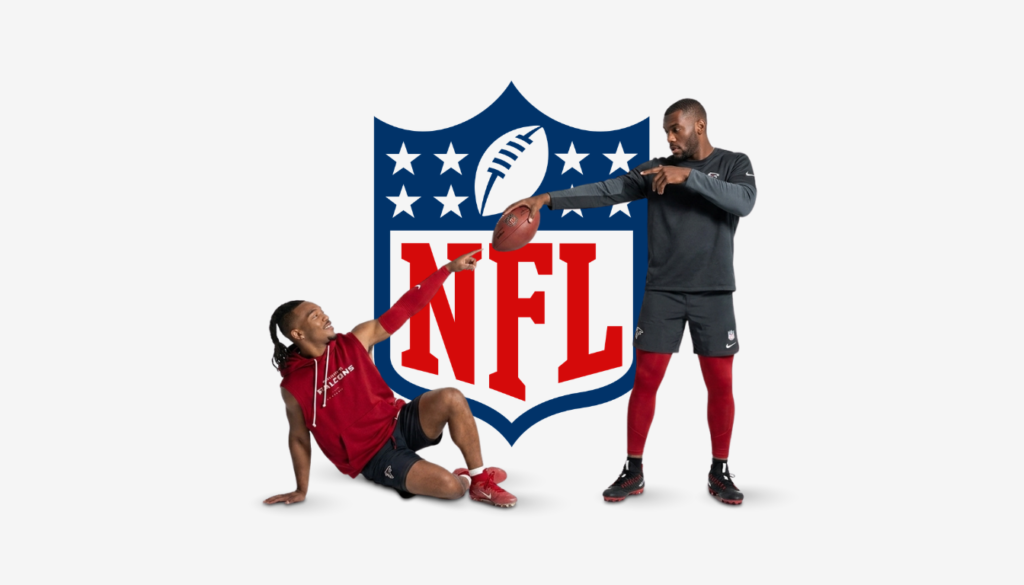
The NFL opened its 2026 season with a campaign that sells its players rather than its games. Called The Season Is Your Stage, the effort centers on touchdown celebrations, the choreographed end-zone routines fans call cellys, and treats them as the clearest expression of player creativity and the sport’s cultural pull. Built with the agency 72andSunny and released in mid-August ahead of the September 9 opener, the campaign constructs a fictional Celly Studio where stars rehearse and perfect their moves, and it features Cam Bynum, Bijan Robinson, Travis Hunter, Nico Collins and Dexter Lawrence. The league is spotlighting the moments between plays, wagering that personality travels further than the scoreboard.
Celebrations as Cultural Currency
The choice of subject is telling. Celebrations are the most clippable, shareable moments football produces, engineered almost perfectly for the vertical video feeds where younger audiences actually live. There is history here too. The NFL once policed end-zone antics so strictly that critics nicknamed it the No Fun League, and building a campaign around cellys reverses that posture in public. The league is conceding that its cultural value increasingly sits in personality and spontaneity rather than in the institution itself, and it is leaning into the exact behavior it used to fine.
Building a Studio, Not Just a Spot
The Celly Studio conceit is more than set dressing. By inventing a recurring place where players craft their routines, the NFL gives itself a reusable creative world rather than a single advertisement that expires when the season starts. That is the logic of a content franchise, not a flight of media, and it lets the league produce a stream of clips, cutdowns and social moments from one central idea. Treating a campaign as a platform is how brands manufacture longevity, and the NFL is applying that discipline to its own marketing the way a studio would to a film universe.
The Creator Economy Play
The campaign reaches past broadcast into the places attention has migrated. Its companion YouTube series, Race to the Endzone, returns for a second season with a new Celly Challenge segment in which players including Jaylen Waddle, Ashton Jeanty and Tyler Shough rate content creators on their dance skills. Pairing athletes with creators is a deliberate distribution strategy, because it borrows the creators’ audiences and native fluency on platforms where the league has less authority. It also signals that the NFL sees creators as co-authors of its cultural footprint rather than as an afterthought to television.
Why the League Needs Culture, Not Just Ratings
The NFL does not lack for viewers, which makes the strategy more interesting. Its television numbers remain the envy of American media, yet the audience it most needs to win, younger and more global fans, does not form its allegiance through broadcast alone. Player personalities are the most portable asset the league has for reaching those fans, and a campaign built on individual expression is a bid to convert star power into durable fandom. In an attention economy where even dominant properties fight to stay relevant, marketing the humans has become as important as marketing the sport.
What Marketers Should Take
The broader signal is that rights-holders now behave like content brands, and that the surrounding culture of a product can be more marketable than the product itself. The NFL is not advertising football so much as the feeling and personality that football generates, and it is packaging that culture into a platform it can run for years. For any brand sitting on a product with passionate users, the lesson is to find and elevate the human expression around it rather than reciting features. Personality is harder to copy than a tagline, and it is what audiences choose to share.