
A Birthday Launch Built for Meaning
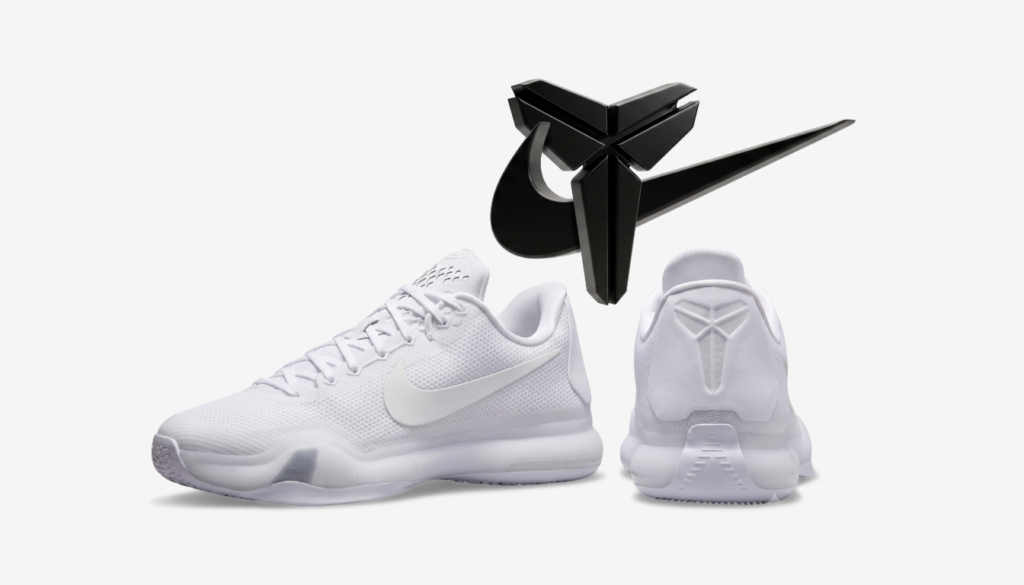
On August 23, the day Kobe Bryant would have turned 47, Nike releases the Kobe 10 Protro in an all-white “Halo” colorway created in partnership with Vanessa Bryant. Priced at $190, the shoe pairs a familiar silhouette with current performance hardware, including a full-length Zoom Strobel unit, Cushlon 3.0 foam, and a re-engineered mesh upper built to be lighter and more breathable than the 2015 original. The timing is deliberate. Nike has learned to attach the Kobe calendar to the dates that carry the most emotional weight for the people who buy the shoes, and a birthday tribute co-signed by Bryant’s widow gives the launch a resonance no ordinary product drop can manufacture.
The Numbers Behind the Comeback
The sentiment is real, and so is the business underneath it. Since Nike relaunched the Kobe line in August 2023, the franchise has moved from dormant to dominant. On an earnings call in late 2024, Nike finance chief Matt Friend told investors the Kobe business had quadrupled in a single year. The resale market corroborates the story. In 2025, Kobe models held the top spot among basketball sneakers and accounted for the four best-selling basketball shoes of the year, with the Kobe 8 Protro “What The” ranking as StockX’s best-selling basketball sneaker overall. That resale strength matters beyond bragging rights. Secondary-market prices are the clearest public signal of real demand, because they reflect what buyers will pay when no marketing sits between them and the product. Kobe models command that premium without a living endorser promoting them, which tells Nike the equity is anchored in the name and the story rather than a current contract.
A Category Nike Rebuilt Around One Name
Performance basketball sneakers have lost ground at retail for years, as running and lifestyle silhouettes pulled attention and spending toward comfort and fashion. Nike’s most effective answer has been Kobe. Where rivals depend on active players whose signature lines swing with their form, their health, and their trade rumors, Nike holds a property immune to slumps and standings. The Kobe brand does not need a strong season to sell, and it never has a bad night. That stability is rare in a market built on hype cycles, and it gives Nike a dependable anchor around which to organize its basketball business.
A Roadmap, Not a Drop
What separates today’s Kobe strategy from a one-time tribute is cadence. The “Halo” release anchors a calendar that already stretches into 2027. The blue “5 AM Flight” edition returns in October, the purple-accented “Blackout” arrives in January 2027, and premium Flyknit versions with ZoomX midsoles are planned for later that year. Nike is running the Kobe line the way it runs Jordan, with a steady rhythm of colorways, price tiers, and performance narratives designed to keep the franchise in circulation all year. Scarcity still generates heat, but a predictable pipeline builds a durable business, and Nike has chosen the second path.
The Risk of Leaning on the Past
There is a tension worth naming. A brand that sells memory must keep that memory fresh without exhausting it. Nike faces the question every heritage property faces, from luxury houses to legacy carmakers: how often can it return to the same well before reverence turns into fatigue. So far the company has managed the line with restraint, spacing releases, varying the performance story, and reserving the most emotional moments, such as the birthday drop, for the products meant to carry them. If Nike floods the market to chase short-term revenue, the equity that makes Kobe valuable will thin. The discipline that rebuilt the franchise is the same discipline that will have to protect it.
What Marketers Can Take From It
The larger lesson sits above the sneaker aisle. Nike has shown that a signature figure’s brand equity can outlive the figure when the design language, the storytelling, and the emotional cadence stay consistent. There are no new highlight reels to advertise against and no MVP races to ride. Instead Nike leans on meaning, tying releases to Bryant’s birthday, to his family, and to the “Mamba Mentality” ethos that turned a basketball player into a mindset millions still follow. For brand builders, the Kobe line is a study in stewardship. Equity is not a fixed asset that decays once a founder or a figurehead departs; it is a living property that compounds when a company treats it with discipline, patience, and respect. Nike is not simply selling shoes with Kobe Bryant’s name on them. It is proving that a well-managed legacy can be one of the most durable products a brand will ever own.