
A Category Nobody Wants to Be Named After
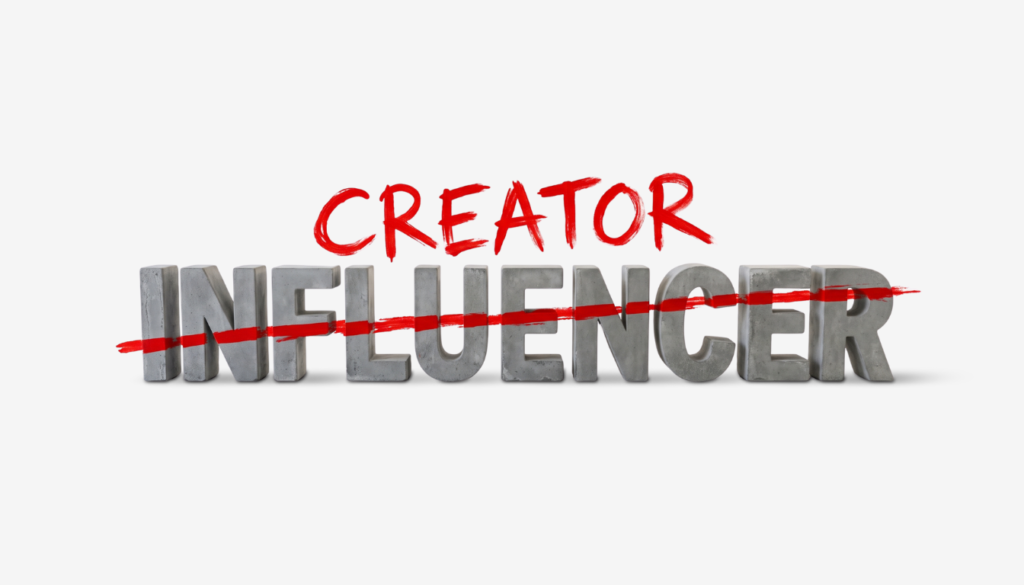
Jacey Duprie has supported herself through her online audience since 2011. She launched Damsel in Dior in 2009, has more than 500,000 followers across platforms, published a memoir and built her own brand. She still resists calling herself an influencer, describing herself as scarred by the stigma attached to a label she helped originate.
That reluctance is not vanity. It is a reasonable response to a word that arrived as an insult and never fully shed the connotation, applied first to a cohort of mostly women who posted their outfits online and were treated as an object of ridicule for the better part of a decade.
The economics stopped agreeing with the sentiment years ago.
The Numbers Moved Past the Vocabulary
US creator ad spend reached 37 billion dollars in 2025, up 26 percent year over year and nearly triple the 13.9 billion the channel commanded in 2021, according to the IAB. That is roughly four times the growth rate of the broader media industry, and IAB analysts project the figure will climb to about 43.9 billion dollars this year.
Measurement scope varies across the industry. eMarketer’s February 2026 forecast puts US social media creator revenue at 21.1 billion dollars for 2026, more than double the 2022 level. The gap between the two numbers reflects what each methodology counts as creator spend rather than a disagreement about direction.
The composition has shifted as much as the total. Nano and micro creators now capture 49.9 percent of US creator spend, up from under a fifth a few years ago. Connected TV creator integrations grew 64 percent year over year in 2025, and retail media accounted for 17 percent of creator budgets. Best Buy ran creator-generated content in connected TV placements during the 2025 holiday season, and the retailer’s influencer marketing lead reported the creative performed on par with traditional CTV assets.
Max Willens, principal analyst at eMarketer, has described the shift as creators graduating from a bright shiny object into a critical plank of most marketing strategies. Nearly 87 percent of brands expect their influencer budgets to increase this year, and roughly 72 percent expect an increase of 50 percent or more.
What the Stigma Costs
A label the category is embarrassed by has practical consequences inside a company.
The first is measurement neglect. Budget lines carrying a whiff of frivolity get approved on instinct and reviewed on impressions. Marketers who would never accept a paid search report without incrementality analysis have accepted creator reports built on reach and sentiment for years, which is precisely how the channel earned its reputation for unproven returns. The stigma produced the sloppiness, and the sloppiness confirmed the stigma.
The second is talent pricing. Creators who reject the label also reject the rate card that came with it, and those with real audience ownership have started pricing themselves against media rather than against other creators. Brands still treating the category as cheap reach are negotiating against a market that repriced without announcing it.
The third is organizational placement. Companies tuck the function inside social media teams rather than seating it beside media planning, which keeps it structurally junior even as it consumes a growing share of the budget. A discipline reporting to the person who manages the brand’s own posting calendar is not going to win an argument about incremental reach against a television buy.
The Reframe That Actually Helps
The useful correction is not a better euphemism. Creator, partner, talent and ambassador have all been tried, and each drifts back toward the same associations within a year or two, because the discomfort is with the transaction rather than the term.
The correction is treating the spend as media. That means demanding the evidence standards applied to any other channel, including incrementality testing, holdout groups and attribution windows agreed before the campaign runs rather than negotiated after the results arrive. It means measuring nano and micro partnerships against cost per acquisition rather than follower count, which is already where roughly half the money is going. And it means accepting that hyperlocal creators with modest followings can outperform large accounts on conversion, a pattern retail marketers have reported with enough consistency that it is no longer an anecdote.
The Awkward Part
A stigma tends to survive as long as the thing it attaches to remains partly true. Influencer marketing still contains a meaningful volume of undisclosed advertising, inflated audience metrics and creators whose recommendation is available to whoever pays for it. The label carries a real signal alongside the unfair one.
The industry’s discomfort is therefore doing some legitimate work. It just needs to be aimed at practice rather than at people. A category approaching 44 billion dollars in annual US spend cannot keep treating its own name as an accusation while continuing to behave in ways that justify it.
The brands that resolve this first will not do it by renaming the line item. They will do it by holding it to the standards that make the name irrelevant.